

24 skilling – Norway
Add to wishlist
Norway
Context
Years: 1735–1746
Issuer: Norway
Ruler: Christian VI
Currency:
(1523—1746)
Demonetized: Yes
Total mintage: 10,262,400
Material
References
KM: #
Numista: #82372
Value
Bullion value: $12.86
Obverse
Description:
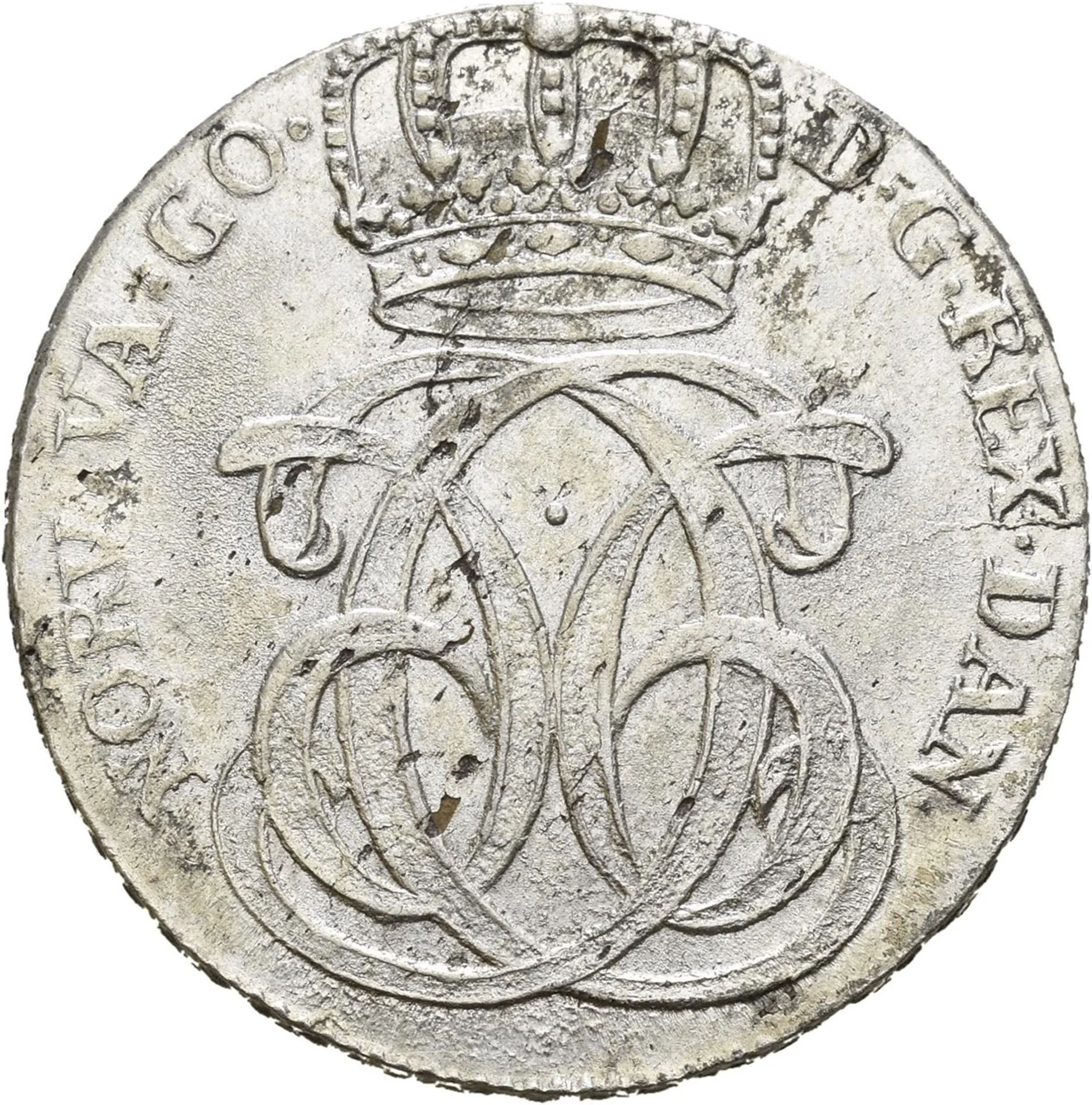
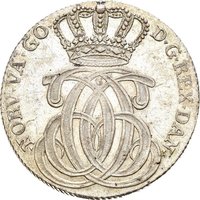
Crowned mirrored monogram of Christian VI. Inscription surrounds. Beaded edge.
Inscription:
D·G·REX·DAN· | NORV·VA·GO·
Script: Latin
Reverse
Description:
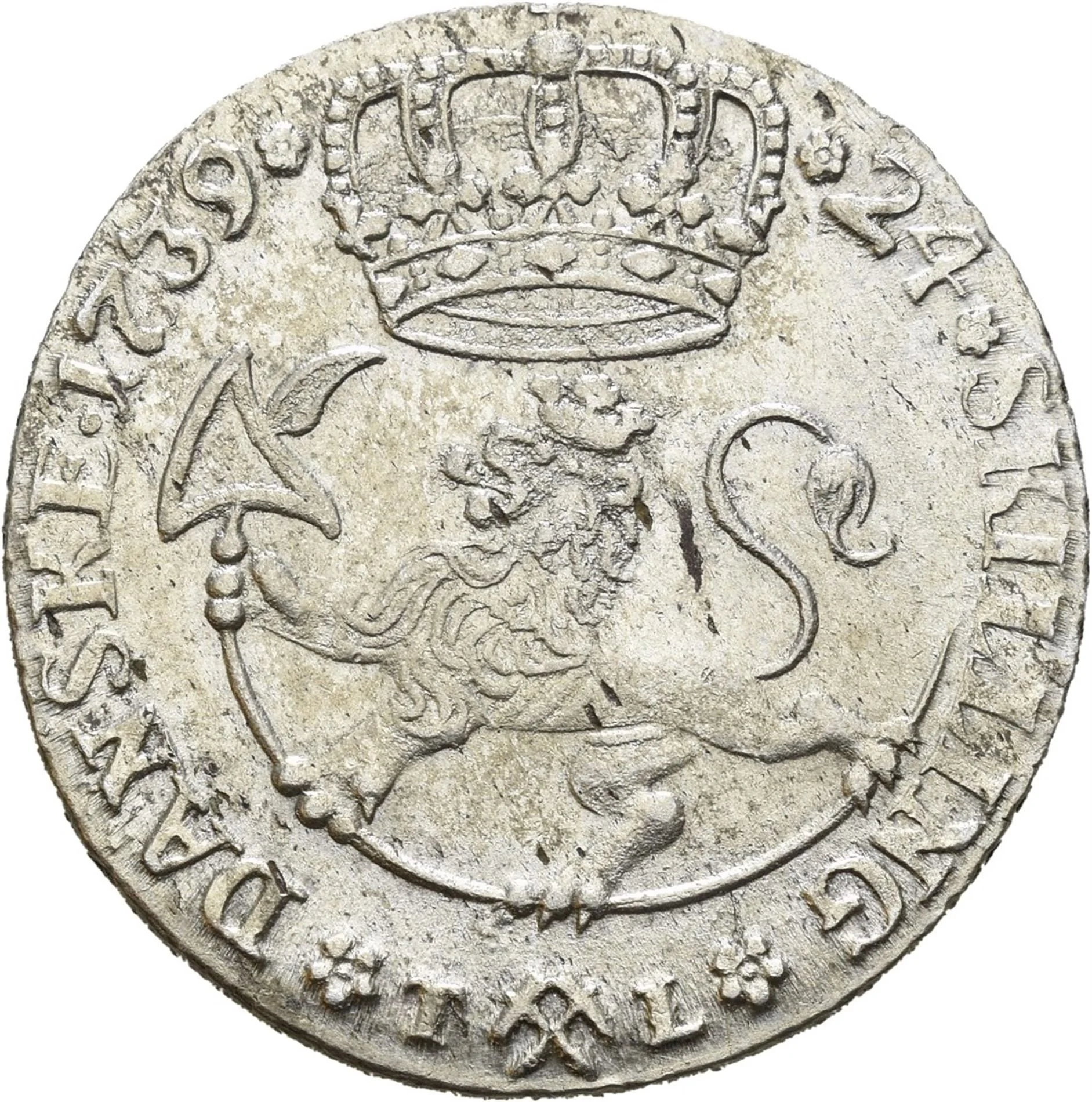
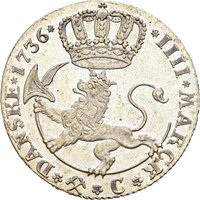
Norwegian lion with axe facing left, crowned twice. Inscription surrounds, mintmark and initials below. Beaded edge.
Inscription:
🏵24🏵SKILLING | DANSKE·1739🏵
✿ T ⚒ L ✿
✿ T ⚒ L ✿
Script: Latin
Edge
Mints
| Name | Mark |
|---|---|
| Norwegian Mint | — |
Mintings
| Year | Mint Mark | Mintage | Quality | Collection |
|---|---|---|---|---|
| 1735 | — | 580,200 | ||
| 1736 | — | 547,400 | ||
| 1737 | — | 572,600 | ||
| 1738 | — | 850,300 | ||
| 1739 | — | 703,600 | ||
| 1740 | — | 829,900 | ||
| 1741 | — | 1,080,500 | ||
| 1742 | — | 892,300 | ||
| 1743 | — | 858,900 | ||
| 1744 | — | 1,015,000 | ||
| 1745 | — | 1,091,600 | ||
| 1746 | — | 1,240,100 |
Historical background
In 1735, Norway was part of the Danish-Norwegian dual monarchy, governed from Copenhagen. The currency system was therefore a complex and often problematic extension of Denmark's monetary policy. The primary unit was the riksdaler specie, a large silver coin, but everyday transactions relied on a confusing array of subsidiary coins, including marks, skilling, and hvids. A significant issue was the chronic shortage of small change, which hampered local trade and led to the widespread use of makeshift solutions like private tokens and fragmented coins.
This period was marked by a deliberate policy of currency debasement. The state, frequently strained by war debts and the costs of maintaining an absolute monarchy, would reduce the silver content in coins while officially maintaining their face value. This created a two-tier system: older, full-weight coins were hoarded or exported, while the newer, inferior coins flooded circulation, leading to inflation and a loss of public trust. The situation was further complicated by the circulation of foreign coins, particularly from the German states and the Netherlands, which merchants often preferred for their reliable metal content.
Consequently, the monetary landscape in 1735 Norway was one of instability and frustration. The official currency was unreliable, its value eroded by state policy, while the practical economy relied on a patchwork of supplemental means of exchange. This persistent monetary weakness underscored Norway's dependent economic position within the union and created a persistent drag on commercial development, a tension that would contribute to growing calls for economic self-determination in the decades to follow.
This period was marked by a deliberate policy of currency debasement. The state, frequently strained by war debts and the costs of maintaining an absolute monarchy, would reduce the silver content in coins while officially maintaining their face value. This created a two-tier system: older, full-weight coins were hoarded or exported, while the newer, inferior coins flooded circulation, leading to inflation and a loss of public trust. The situation was further complicated by the circulation of foreign coins, particularly from the German states and the Netherlands, which merchants often preferred for their reliable metal content.
Consequently, the monetary landscape in 1735 Norway was one of instability and frustration. The official currency was unreliable, its value eroded by state policy, while the practical economy relied on a patchwork of supplemental means of exchange. This persistent monetary weakness underscored Norway's dependent economic position within the union and created a persistent drag on commercial development, a tension that would contribute to growing calls for economic self-determination in the decades to follow.
💎 Extremely Rare