

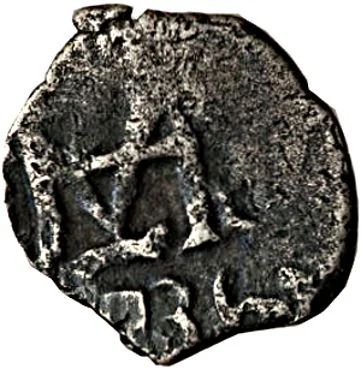
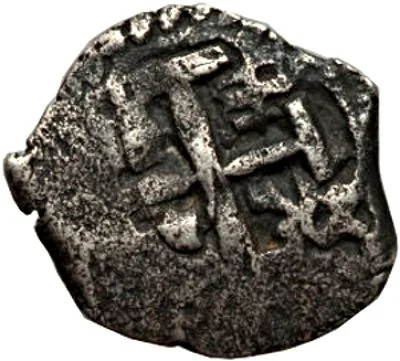
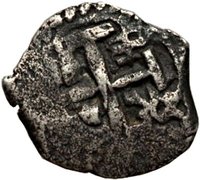
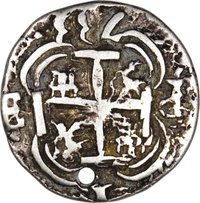
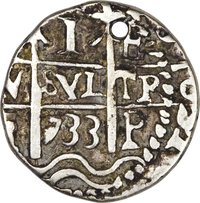
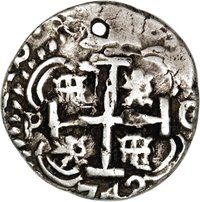
½ Real – Bolivia
Bolivia
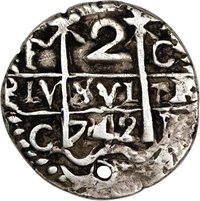
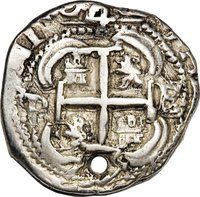
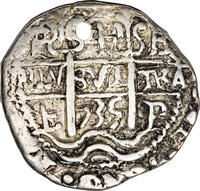
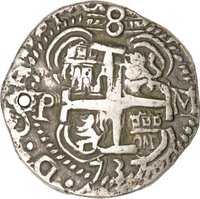
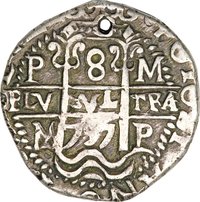
Obverse
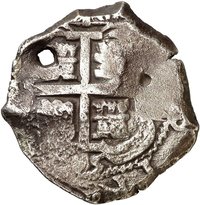
Reverse
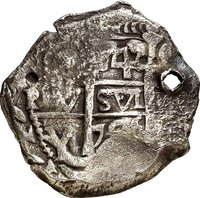
Edge
Mintings
| Year | Mint Mark | Mintage | Quality | Collection |
|---|---|---|---|---|
| 1729 | PM | — | ||
| 1730 | PM | — | ||
| 1731 | PM | — | ||
| 1732 | PM | — | ||
| 1733 | PE | — | ||
| 1734 | PE | — | ||
| 1735 | PE | — | ||
| 1736 | PE | — | ||
| 1737 | PE | — | ||
| 1737 | PM | — | ||
| 1738 | PM | — | ||
| 1739 | PM | — | ||
| 1740 | PM | — | ||
| 1741 | PP | — | ||
| 1742 | PC | — | ||
| 1743 | PC | — | ||
| 1744 | PC | — | ||
| 1745 | PQ | — | ||
| 1746 | PQ | — | ||
| 1747 | PQ | — |
Historical background
In 1729, the currency situation in the Royal Audiencia of Charcas (modern Bolivia) was defined by its role as the financial heart of the Spanish Empire in South America, centered on the silver mining boom of Potosí. The primary currency was silver, minted into coins at the Casa de la Moneda (Royal Mint) in Potosí, which had been operating since 1574. The most common coin was the real, with eight reales making a peso, often called a "piece of eight." This "Spanish dollar" was a globally trusted currency, circulating throughout the Americas and as far as Asia. However, the system was plagued by chronic shortages of small-denomination coins for daily transactions, leading to the common practice of physically cutting coins into halves or quarters (pesos partidos).
The monetary landscape was also complicated by the widespread use of counterfeit and debased coins. Despite royal decrees and efforts by mint officials, corruption and technical limitations led to the production of coins with less silver content than their face value, a problem known as "moneys of weak stamp." These inferior coins circulated alongside full-weight coins, causing confusion, loss of confidence, and economic distortion. Furthermore, the vast wealth in silver paradoxically drained from the region to Spain, leaving the local economy with a scarcity of sound currency for its own internal trade and development.
Administratively, 1729 fell within a period of attempted reform. The Spanish Crown, under King Philip V, was keen to increase revenue and tighten control over colonial finances following the Bourbon succession. Efforts were underway to combat fraud at the mint and standardize the coinage, but these measures faced entrenched resistance from local elites and officials benefiting from the opaque system. Thus, the currency situation was one of immense nominal wealth rooted in Potosí's silver, yet marked by practical dysfunction, fraud, and a growing imperial desire for stricter control that would characterize much of the 18th century.
The monetary landscape was also complicated by the widespread use of counterfeit and debased coins. Despite royal decrees and efforts by mint officials, corruption and technical limitations led to the production of coins with less silver content than their face value, a problem known as "moneys of weak stamp." These inferior coins circulated alongside full-weight coins, causing confusion, loss of confidence, and economic distortion. Furthermore, the vast wealth in silver paradoxically drained from the region to Spain, leaving the local economy with a scarcity of sound currency for its own internal trade and development.
Administratively, 1729 fell within a period of attempted reform. The Spanish Crown, under King Philip V, was keen to increase revenue and tighten control over colonial finances following the Bourbon succession. Efforts were underway to combat fraud at the mint and standardize the coinage, but these measures faced entrenched resistance from local elites and officials benefiting from the opaque system. Thus, the currency situation was one of immense nominal wealth rooted in Potosí's silver, yet marked by practical dysfunction, fraud, and a growing imperial desire for stricter control that would characterize much of the 18th century.
Series: 1729 Bolivia circulation coins
💎 Extremely Rare