Logo Title
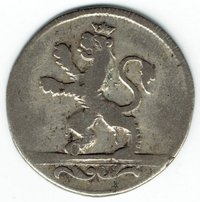
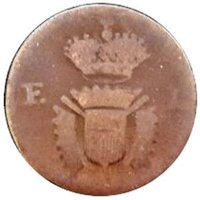
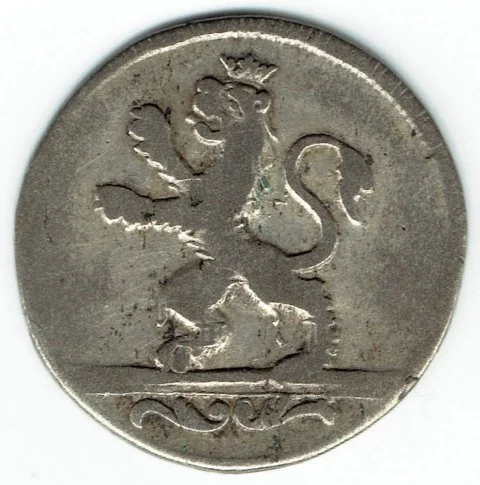
obverse
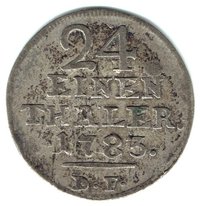
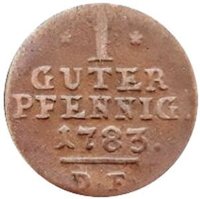
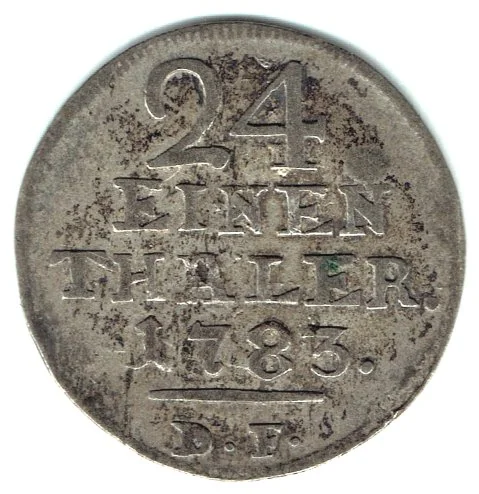
reverse
e.t.

1⁄24 Thaler – Landgraviate of Hesse-Cassel

Context
Years: 1782–1785
Currency:
Demonetized: Yes
Material
Diameter: 19 mm
Weight: 1.93 g
Shape: Round
Composition: Billon
Alignment: Medal alignment
Obverse
OBVERSE ↑
flip
Reverse
REVERSE ↑
References
KM: #Click to copy to clipboard525
Numista: #80533

Obverse

Description:
Left-facing rampant lion.

Reverse

Description:
Value above date, mintmaster initials below.
Inscription:
24

EINEN

THALER

1782

Edge

Mints

NameMark
Kassel

Mintings

YearMint MarkMintageQualityCollection
1782
1783
1784
1785

Historical background

In 1782, the Landgraviate of Hesse-Cassel navigated a complex and challenging currency landscape, a legacy of the fragmented Holy Roman Empire. The territory did not have a single, unified currency. Instead, a multitude of coins circulated simultaneously, including those minted by Hesse-Cassel itself, coins from neighboring German states, and older imperial Reichsthaler. This created a constant burden of exchange and calculation for merchants and citizens, as the value of each coin depended on its metal content (silver or gold), weight, and the issuing authority's credibility.

The situation was further strained by the financial policies of Landgrave Frederick II, who had reigned until 1785. His need to finance a large standing army and a lavish court, coupled with significant income from renting Hessian soldiers to foreign powers (notably Britain during the American War of Independence), led to aggressive minting practices. The landgraviate frequently engaged in Kipper- und Wipperzeit-style debasement, reducing the silver content in its own coins to generate seigniorage profit. This eroded public trust in Hessian currency and encouraged the hoarding of older, purer coins, exacerbating the monetary chaos.

Consequently, daily commerce in Hesse-Cassel in 1782 was characterized by uncertainty and inefficiency. The coexistence of debased local coinage and more reliable foreign currencies created a two-tier system that disadvantaged the common people. While the landgraviate's soldier trade filled the state's coffers with foreign specie, this wealth did not translate into a stable domestic monetary system. The need for reform was apparent, setting the stage for future attempts at standardization that would only gain momentum in the following decades.
💎 Very Rare