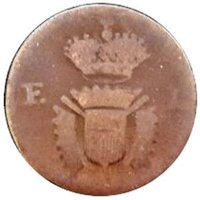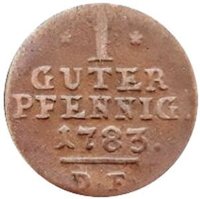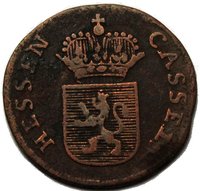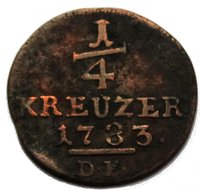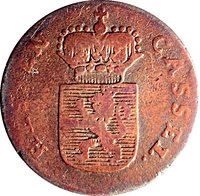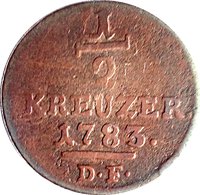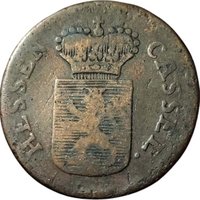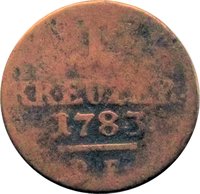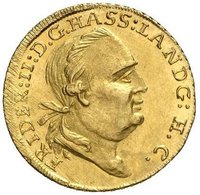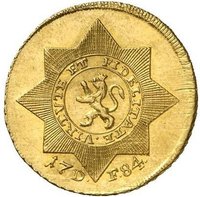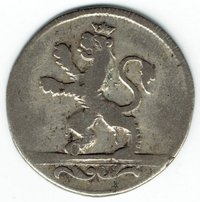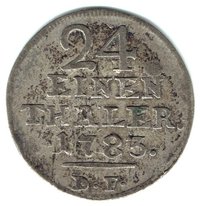
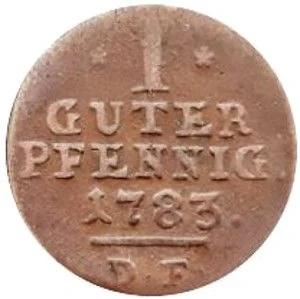
In 1783, the Landgraviate of Hesse-Cassel, under Landgrave Frederick II, possessed a famously complex and fragmented currency system, a direct legacy of its geography and political history. The territory was not a cohesive whole but a patchwork of separate regions, each with its own traditional monetary units and standards. Consequently, business was conducted using a confusing array of coins, including the
Reichsthaler (the Imperial standard), the
Gulden, and the
Albusthaler, alongside numerous smaller denominations, with exchange rates varying between towns and markets. This multiplicity created significant hurdles for trade and taxation, fostering an environment ripe for arbitrage and counterfeiting.
The situation was further complicated by the landgrave's own financial policies. Frederick II, having amassed great wealth by renting Hessian soldiers to the British during the American Revolutionary War, was a shrewd financial operator who treated the state's minting rights (
Münzregal) as a direct source of princely revenue. Periodically, his mints would engage in debasement—reducing the precious metal content in coins while maintaining their face value—to generate profit, a practice known as
Kipper- und Wipperzeit. While less severe than in previous centuries, this manipulation eroded trust in Hesse-Cassel's currency, both domestically and in international commerce, where its coins were often viewed with suspicion.
Therefore, the monetary landscape in 1783 was one of tension between the pressing need for standardization to facilitate a modernizing economy and the landgrave's personal fiscal interests. While Enlightenment-era reformers advocated for a unified and stable currency aligned with broader Germanic standards, the political will for a comprehensive overhaul was lacking. The system persisted as a cumbersome but functioning reality, where wealth was often best held in physical specie or foreign currencies, and where the state's financial strength derived less from an efficient domestic economy and more from the landgrave's infamous mercenary ventures and his careful management of debt and assets abroad.