Logo Title
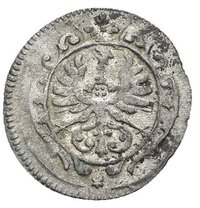
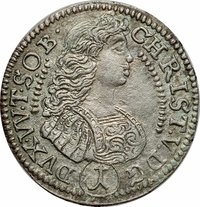
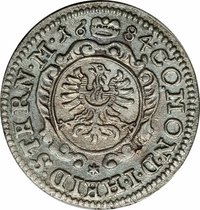
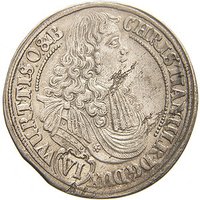
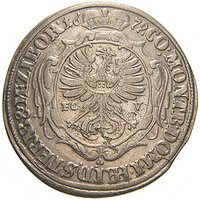
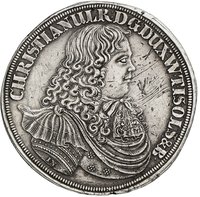
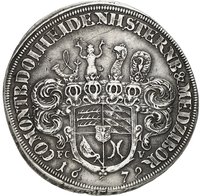
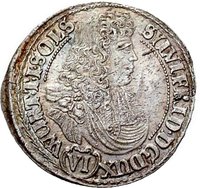
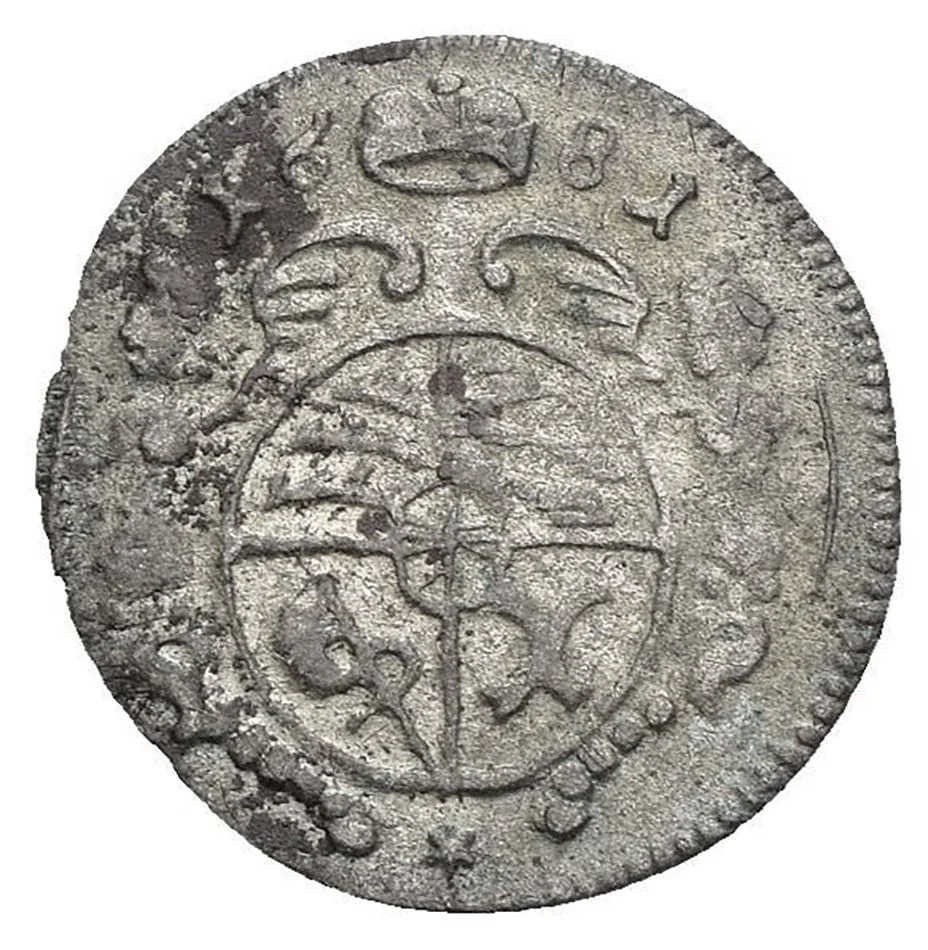
obverse
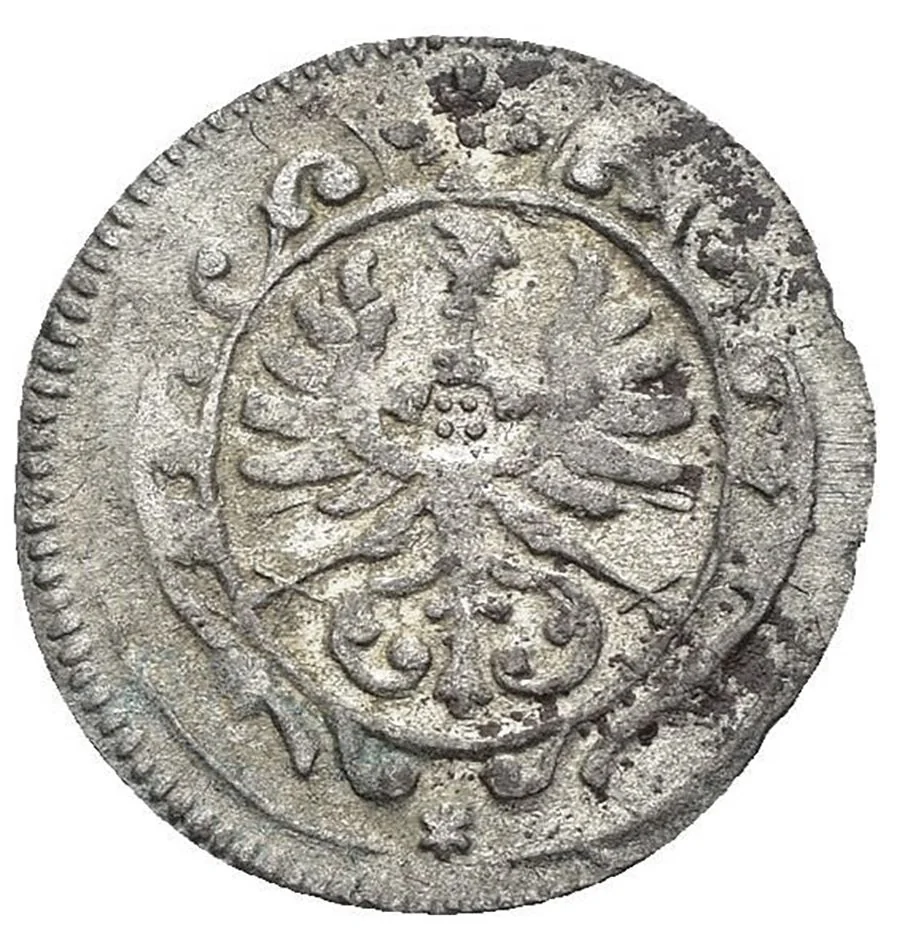
reverse
cobrapel CC BY-NC
Context
Years: 1679–1682
Country: Bohemia
Currency:
Subdivision: 1 Gröschl = 3 Pfennig
Demonetized: Yes
Material
Diameter: 16 mm
Weight: 0.76 g
Silver weight: 0.76 g
Shape: Round
Composition: Silver
Magnetic: No
Alignment: Medal alignment
Obverse
OBVERSE ↑
flip
Reverse
REVERSE ↑
References
KM: #Click to copy to clipboard35
Numista: #80310
Value
Bullion value: $2.12

Obverse

Description:
Oval shield of Öls in baroque frame, flanked by four arms, with a mermaid support and a princely hat above dividing the date.
Inscription:
16 / 81

Reverse

Description:
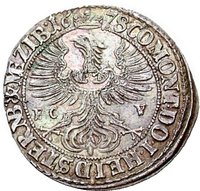
Silesian eagle in baroque oval, with mintmaster initials if present.

Edge

Mints

NameMark
Oleśnica

Mintings

YearMint MarkMintageQualityCollection
1679FCV
1680
1681
1682

Historical background

In 1679, the Duchy of Württemberg-Oels, a small Silesian territory ruled by a cadet branch of the Württemberg dynasty, was navigating a complex and challenging currency landscape typical of the Holy Roman Empire in the 17th century. The period was defined by the aftermath of the Thirty Years' War and ongoing regional conflicts, which had severely disrupted economies and monetary systems. Like many German states, Württemberg-Oels faced the persistent problem of currency debasement, where neighboring principalities reduced the precious metal content in their coins to finance expenditures, flooding the region with unstable and inferior money. This created a chaotic environment where the intrinsic value of coins often fell below their face value, harming trade and public trust.

The ducal government in Oels would have been engaged in a constant struggle to maintain the integrity of its own coinage, particularly its silver Groschen and Taler, while protecting its economy from the inflow of debased foreign coins. The right of coinage (Münzregal) was a cherished sovereign privilege, but its exercise required careful management to ensure that the duke's coins remained accepted and credible in regional commerce. The situation was further complicated by the duchy's political ties; as a fief of the Crown of Bohemia, it operated within the broader monetary influence of the Habsburg monarchy, whose own large-scale coinage and monetary policies set a significant baseline for the region.

Ultimately, the currency situation in 1679 was one of fragile stability amidst systemic instability. Duke Silvius II Frederick, who assumed rule in 1668, would have confronted the task of funding his court and administration with a treasury vulnerable to the inflationary pressures of "bad money." While no specific monetary edict from that exact year is widely recorded, the ongoing need to issue currency ordinances, regulate exchange rates, and occasionally recall and re-mint circulating coinage was a fiscal necessity. The duchy's economic health depended on navigating this fragmented monetary system, striving to ensure that its currency commanded enough confidence to facilitate local transactions and sustain its modest economic standing within Silesia.

Series: 1679 Duchy of Württemberg-Oels circulation coins

1 Gröschl obverse
1 Gröschl reverse
1 Gröschl
1679-1682
1 Kreuzer obverse
1 Kreuzer reverse
1 Kreuzer
1679-1685
6 Kreuzers obverse
6 Kreuzers reverse
6 Kreuzers
1679-1680
1 Thaler obverse
1 Thaler reverse
1 Thaler
1679
💎 Very Rare