

1 Paisa – Bombay Presidency
India

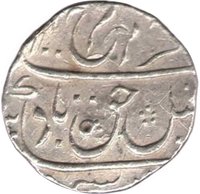
Obverse
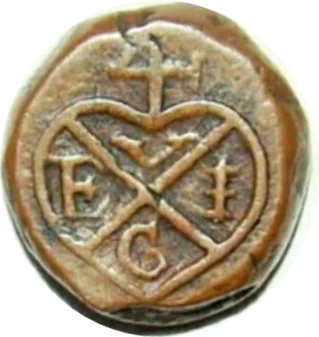
Description:
Balemark of the United East India Company within a plain circle.
Inscription:
VEIC
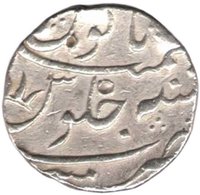
Reverse
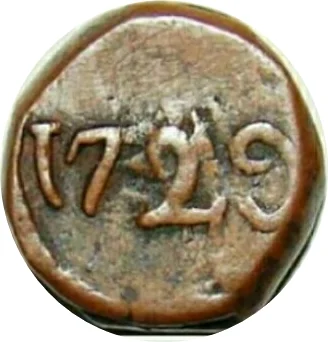
Description:
Date inside a plain or dotted circle.
Inscription:
1729
Edge
Plain
Mintings
| Year | Mint Mark | Mintage | Quality | Collection |
|---|---|---|---|---|
| 1705 | — | — | ||
| 1725 | — | — | BU | |
| 1729 | — | — | ||
| 1731 | — | — | ||
| 1732 | — | — | ||
| 1734 | — | — | ||
| 1739 | — | — | ||
| 1742 | — | — | ||
| 1743 | — | — | ||
| 1747 | — | — | ||
| 1752 | — | — | ||
| 1773 | — | — | ||
| 1779 | — | — |
Historical background
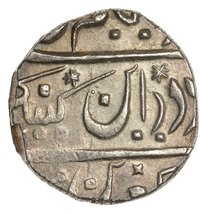
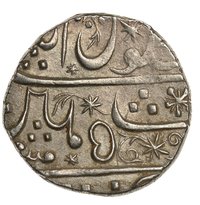
In 1705, the currency situation within the Bombay Presidency was a complex tapestry of competing systems, reflecting its position as a fledgling English outpost within the vast Mughal Empire. The primary circulating medium was the Mughal silver rupee and its copper fractions (dam), which were essential for trade with the hinterland. However, the English East India Company also minted its own coins—the "Bombay Rupee"—from imported Spanish silver dollars (pieces of eight) at its mint in Bombay Castle. These rupees, stamped with the Company's insignia, were an assertion of administrative autonomy but were deliberately aligned in weight and fineness with the dominant Mughal rupees to ensure their acceptance in regional commerce.
This duality created a persistent challenge. The value and supply of silver, the basis of the currency, were subject to volatile global flows, local hoarding, and the political stability of the Mughal court. Furthermore, a plethora of other coins circulated, including Portuguese xerafins and tangas (especially from nearby Goa), gold mohurs, and various coins from other Indian states, each with fluctuating exchange rates. This monetary bazaar necessitated the constant work of shroffs (indigenous bankers and money-changers), who assayed coins, verified their weight, and determined their premium or discount, making them indispensable intermediaries in all financial transactions.
For the Company's administration, this fragmented system was a source of economic uncertainty and revenue risk. While the Bombay mint provided some control, the Presidency's economy was not insulated from wider monetary disturbances. The currency situation of 1705 thus encapsulates a period of transition: the Company was moving beyond being a mere trading entity to a territorial power, yet its monetary authority remained contested and had to operate within, and adapt to, the established financial ecosystems of India.
This duality created a persistent challenge. The value and supply of silver, the basis of the currency, were subject to volatile global flows, local hoarding, and the political stability of the Mughal court. Furthermore, a plethora of other coins circulated, including Portuguese xerafins and tangas (especially from nearby Goa), gold mohurs, and various coins from other Indian states, each with fluctuating exchange rates. This monetary bazaar necessitated the constant work of shroffs (indigenous bankers and money-changers), who assayed coins, verified their weight, and determined their premium or discount, making them indispensable intermediaries in all financial transactions.
For the Company's administration, this fragmented system was a source of economic uncertainty and revenue risk. While the Bombay mint provided some control, the Presidency's economy was not insulated from wider monetary disturbances. The currency situation of 1705 thus encapsulates a period of transition: the Company was moving beyond being a mere trading entity to a territorial power, yet its monetary authority remained contested and had to operate within, and adapt to, the established financial ecosystems of India.
✨ Legendary