

1 Rupee – Bombay Presidency
India
Context

Material
References
KM: #Click to copy to clipboard158
Numista: #79768
Value
Bullion value: $33.24
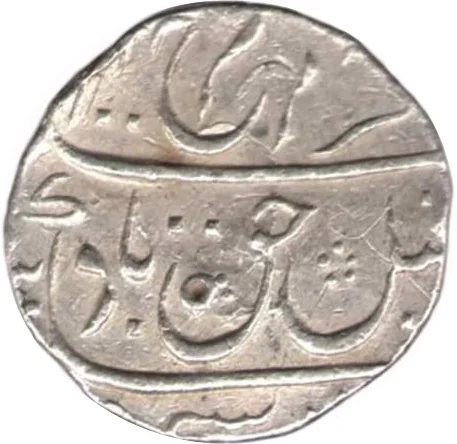
Obverse
Description:
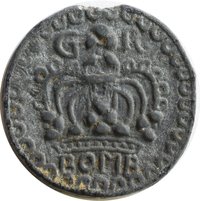
Coins struck by Emperor Farrukh-siyar, in silver and gold.
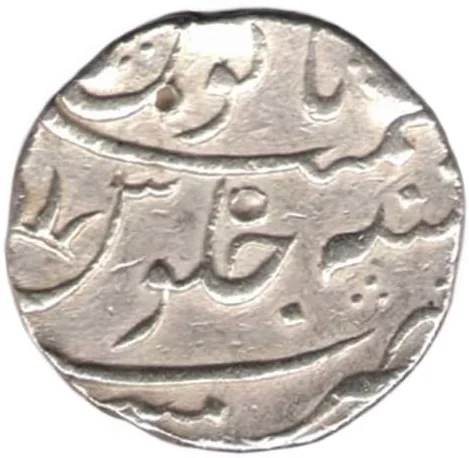
Reverse
Description:
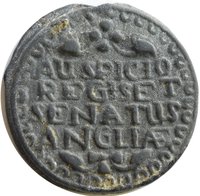
Zarb Mumbai, RY, julus maimanat.
Edge
Plain
Mintings
| Year | Mint Mark | Mintage | Quality | Collection |
|---|---|---|---|---|
| 1714 | — | — | ||
| 1715 | — | — | ||
| 1717 | — | — | ||
| 1718 | — | — |
Historical background
In 1714, the Bombay Presidency, administered by the English East India Company, operated within a complex and fragmented monetary landscape. The region was not yet a unified currency zone; instead, it was a crossroads where multiple coinage systems circulated simultaneously. The dominant currency in wider Western India was the Mughal silver rupee and its fractional copper dams, emanating from the imperial mints of Surat and Ahmedabad. However, alongside these, Portuguese xerafins and tangas (stemming from Goa), various European gold coins, and even older regional issues from the Sultanate periods remained in use, creating a challenging environment for trade and taxation.
The East India Company itself faced significant monetary difficulties. Its primary need was a reliable silver rupee coinage to pay its sepoys (Indian soldiers) and local suppliers, as well as to conduct its burgeoning trade in cotton and textiles. However, the Company lacked a formal mint in Bombay at this time and was often dependent on procuring Mughal rupees from Surat, which were subject to the whims of local authorities and fluctuating quality. This reliance was precarious, leading to shortages and disputes over the weight and purity of coins, which directly impacted the Company's military and economic stability.
Consequently, 1714 falls within a period of monetary experimentation and transition. The Company had begun to assert its minting rights granted by earlier charters, occasionally striking imitative Mughal-style rupees at Bombay. These early, often crude issues were an attempt to establish a local, authoritative currency, but they struggled to gain full public confidence outside the Company's immediate settlements. Thus, the monetary situation was one of competing systems, with the Company actively seeking to move from dependence on Mughal currency towards a controlled and profitable coinage of its own—a foundational step toward the financial sovereignty it would later exert.
The East India Company itself faced significant monetary difficulties. Its primary need was a reliable silver rupee coinage to pay its sepoys (Indian soldiers) and local suppliers, as well as to conduct its burgeoning trade in cotton and textiles. However, the Company lacked a formal mint in Bombay at this time and was often dependent on procuring Mughal rupees from Surat, which were subject to the whims of local authorities and fluctuating quality. This reliance was precarious, leading to shortages and disputes over the weight and purity of coins, which directly impacted the Company's military and economic stability.
Consequently, 1714 falls within a period of monetary experimentation and transition. The Company had begun to assert its minting rights granted by earlier charters, occasionally striking imitative Mughal-style rupees at Bombay. These early, often crude issues were an attempt to establish a local, authoritative currency, but they struggled to gain full public confidence outside the Company's immediate settlements. Thus, the monetary situation was one of competing systems, with the Company actively seeking to move from dependence on Mughal currency towards a controlled and profitable coinage of its own—a foundational step toward the financial sovereignty it would later exert.
✨ Legendary