

½ Rupee – Bombay Presidency
India

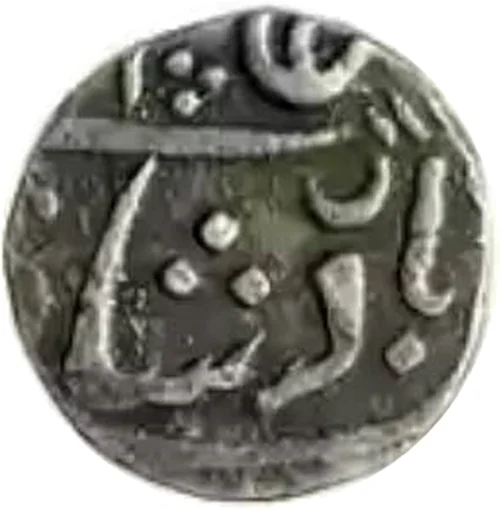
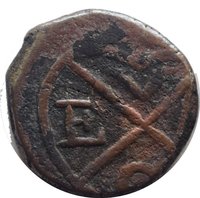
Obverse
Description:
Sikka mubarak, Alamgir.
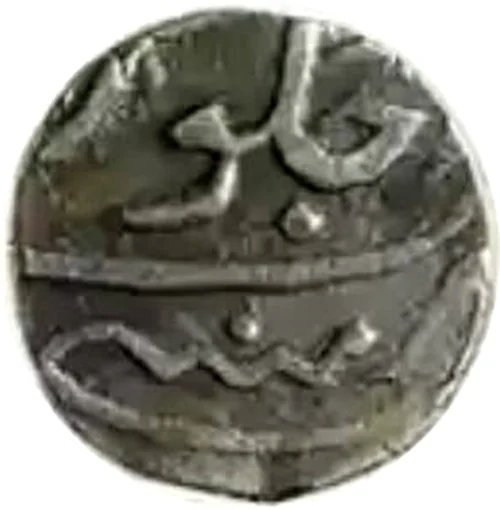
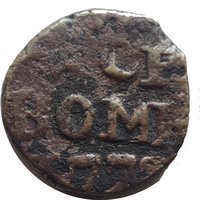
Reverse
Description:
Zarb Mumbai, Sanat Julus, Maimanat Manus
Edge
Plain
Mintings
| Year | Mint Mark | Mintage | Quality | Collection |
|---|---|---|---|---|
| 1763 | — | — | ||
| 1774 | — | — |
Historical background
In 1763, the currency situation within the Bombay Presidency was complex and fragmented, reflecting the broader economic and political transition of the period. The region operated under a tri-metallic system of gold, silver, and copper, but lacked a uniform, standardised coinage. The dominant circulating silver rupee was the Ankushi or "Surat rupee," minted by the Mughal authorities, alongside a plethora of other coins from neighbouring Maratha territories, Portuguese Goa, and various European trading companies. This proliferation created chronic confusion in exchange rates and hindered commerce, as the value of coins depended not only on metal content but also on their origin and physical condition.
The British East India Company, while a growing political and military power following victories in Bengal, did not yet possess sovereign minting rights in Western India. Its primary challenge was to facilitate trade and pay its troops, necessitating the constant assessment and reminting of collected revenues into usable specie. The Company often found itself at the mercy of local shroffs (money-changers and bankers), who controlled the intricate networks of valuation, exchange, and money transfer. This reliance underscored the Company's limited administrative control and the persistent strength of indigenous financial systems, even as its political ambitions expanded.
Ultimately, the monetary chaos of 1763 highlighted a critical weakness in Company administration. The lack of a stable and authoritative currency impeded both revenue collection and commercial predictability, fostering corruption and inefficiency. This situation would become a powerful impetus for reform, leading the Company to pursue, in the coming decades, the establishment of its own mints and the imposition of a standardised rupee—a key step in consolidating its economic sovereignty alongside its military conquests in the region.
The British East India Company, while a growing political and military power following victories in Bengal, did not yet possess sovereign minting rights in Western India. Its primary challenge was to facilitate trade and pay its troops, necessitating the constant assessment and reminting of collected revenues into usable specie. The Company often found itself at the mercy of local shroffs (money-changers and bankers), who controlled the intricate networks of valuation, exchange, and money transfer. This reliance underscored the Company's limited administrative control and the persistent strength of indigenous financial systems, even as its political ambitions expanded.
Ultimately, the monetary chaos of 1763 highlighted a critical weakness in Company administration. The lack of a stable and authoritative currency impeded both revenue collection and commercial predictability, fostering corruption and inefficiency. This situation would become a powerful impetus for reform, leading the Company to pursue, in the coming decades, the establishment of its own mints and the imposition of a standardised rupee—a key step in consolidating its economic sovereignty alongside its military conquests in the region.
✨ Legendary