

⅕ Rupee – Bombay Presidency
India
Context

Material
References
KM: #Click to copy to clipboard274
Numista: #72145
Value
Bullion value: $6.28
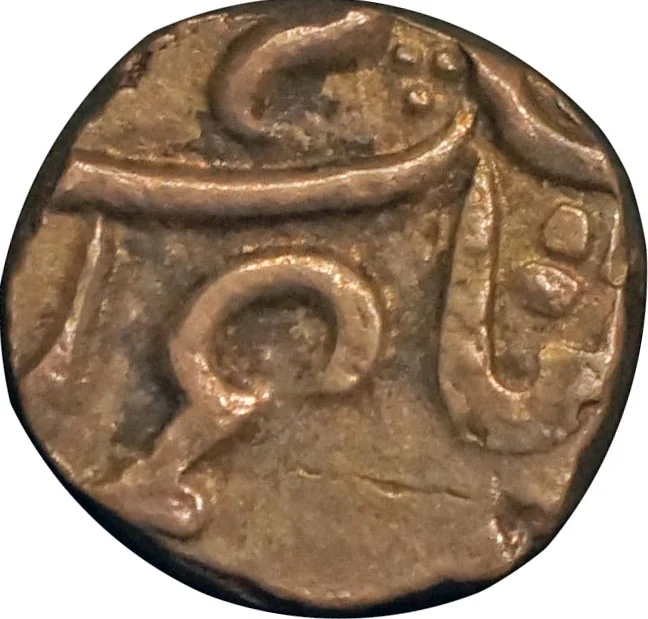
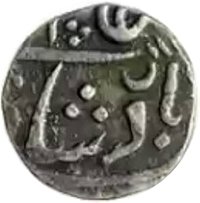
Obverse
Description:
Shah Alam II, with an inverted 5 for the 1/5 value.
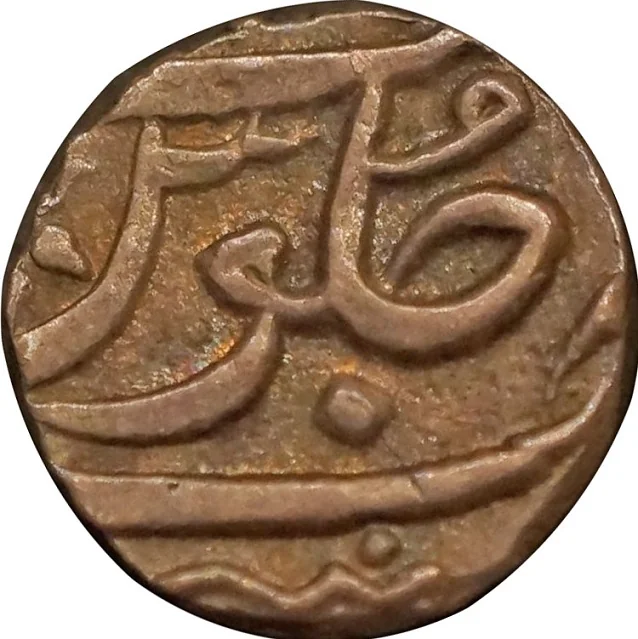
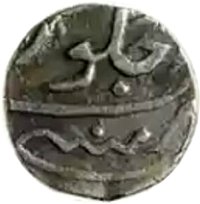
Reverse
Description:
Sanah Julus (RY), struck Mumbai.
Edge
Plain
Mintings
| Year | Mint Mark | Mintage | Quality | Collection |
|---|---|---|---|---|
| — | — | — |
Historical background
In 1762, the currency situation within the Bombay Presidency was a complex tapestry of competing systems, reflecting its position as a fledgling colonial enclave amidst powerful indigenous economies. The Presidency itself issued a limited amount of silver rupees, often minted in the name of the Mughal Emperor Shah Alam II to ensure local acceptance, but these were insufficient for the wider economy. The dominant circulating mediums were actually Mughal silver rupees from Surat and the newer, highly influential rupees of the rising Maratha Confederacy, particularly those minted at Poona. This created a landscape where multiple coins of varying weight and purity circulated simultaneously, requiring constant evaluation and discounting by merchants.
The system was further complicated by the widespread use of two distinct monetary units for accounting: the rupee (₹) for larger transactions and the pice (d) for smaller ones, with 64 pice theoretically equalling one rupee, though actual conversion rates fluctuated. A critical and persistent problem was the chronic scarcity of small-change copper coins (pice and dubbas), which crippled daily market trade and wages for labourers. This shortage often forced the use of fragmented silver rupees or foreign coins, leading to inefficiency and exploitation.
This monetary chaos presented a significant obstacle to the East India Company's commercial and administrative ambitions. The lack of a uniform, authoritative currency hindered revenue collection, increased transaction costs, and revealed the Presidency's limited economic sovereignty. Consequently, the year 1762 fell within a period of increasing Company focus on currency reform, a drive that would culminate in more systematic minting and regulation in the subsequent decades as the Company transitioned from merchant to ruler.
The system was further complicated by the widespread use of two distinct monetary units for accounting: the rupee (₹) for larger transactions and the pice (d) for smaller ones, with 64 pice theoretically equalling one rupee, though actual conversion rates fluctuated. A critical and persistent problem was the chronic scarcity of small-change copper coins (pice and dubbas), which crippled daily market trade and wages for labourers. This shortage often forced the use of fragmented silver rupees or foreign coins, leading to inefficiency and exploitation.
This monetary chaos presented a significant obstacle to the East India Company's commercial and administrative ambitions. The lack of a uniform, authoritative currency hindered revenue collection, increased transaction costs, and revealed the Presidency's limited economic sovereignty. Consequently, the year 1762 fell within a period of increasing Company focus on currency reform, a drive that would culminate in more systematic minting and regulation in the subsequent decades as the Company transitioned from merchant to ruler.
💎 Extremely Rare