

1 Paisa – Bombay Presidency
India

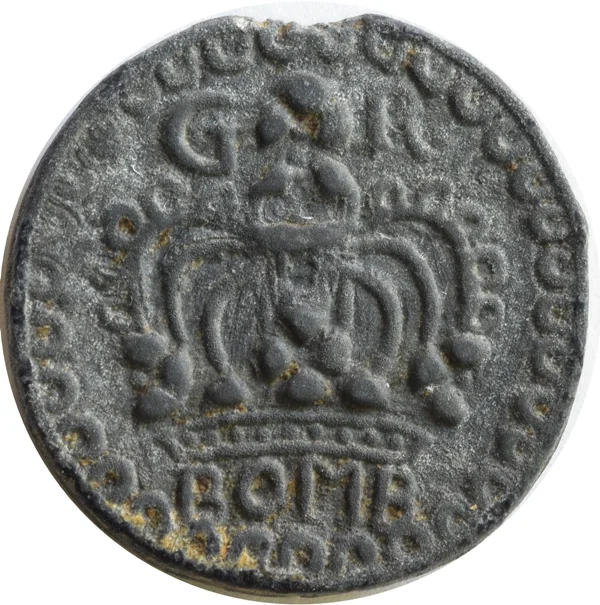
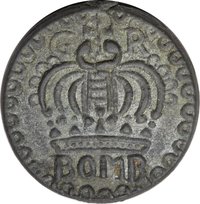
Obverse
Description:
GR over crown, BOMB below. Denticled border.
Inscription:
GR
BOMB
BOMB
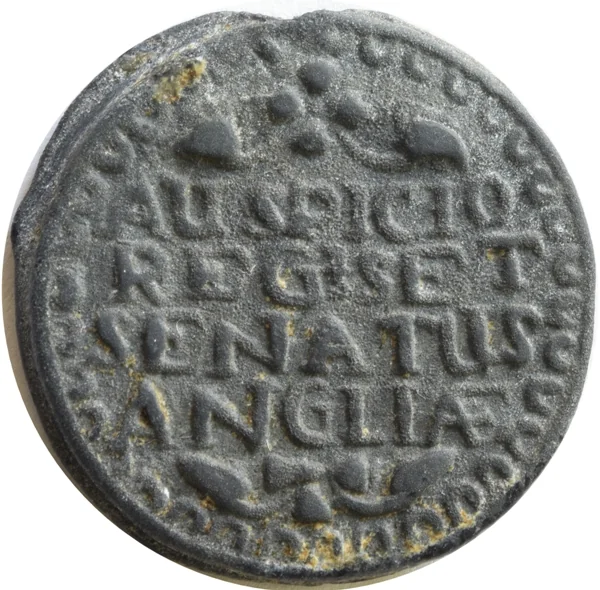
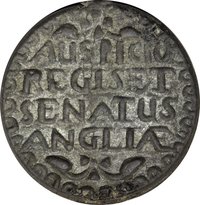
Reverse
Description:
By the authority of the King and Parliament of England.
Inscription:
AUSPICIO
REGIS ET
SENATUS
ANGLIAE
REGIS ET
SENATUS
ANGLIAE
Edge
Plain
Mintings
| Year | Mint Mark | Mintage | Quality | Collection |
|---|---|---|---|---|
| 1717 | — | — | ||
| 1741 | — | — | ||
| 1743 | — | — | ||
| 1747 | — | — | ||
| — | — | — | ||
| 1771 | — | — |
Historical background
In 1717, the currency situation within the Bombay Presidency was complex and transitional, reflecting its position as a growing but still secondary node of British East India Company power. The primary circulating medium was the Mughal silver rupee, particularly the Surat rupee, which dominated regional trade. However, the monetary landscape was fragmented, with a variety of European gold coins (like Portuguese moidores and French pagodas), local copper pice, and even old Spanish silver pieces of eight also in circulation, creating a challenging environment for commerce due to fluctuating exchange rates and variable purity.
This complexity was compounded by the Presidency's lack of formal minting authority. While the Company operated mints in Madras and Bengal, Bombay had no such facility until 1717. Consequently, the Company was dependent on importing bullion and relying on the output of Mughal mints, which was politically and logistically precarious. The need for a stable, Company-controlled currency to service its expanding trade, pay its troops, and reduce transaction costs was becoming increasingly urgent.
The pivotal change arrived in 1717 with the grant of a farman (imperial decree) from the Mughal Emperor Farrukhsiyar. This charter, primarily known for granting lucrative trading privileges in Bengal, also contained a crucial provision allowing the East India Company to mint its own rupees in Bombay. This right marked a significant step towards financial sovereignty, setting the stage for the Bombay Mint's establishment and the eventual issuance of coins bearing the Company's name, which would gradually standardize the currency and strengthen Bombay's economic and administrative autonomy within the volatile Indian monetary ecosystem.
This complexity was compounded by the Presidency's lack of formal minting authority. While the Company operated mints in Madras and Bengal, Bombay had no such facility until 1717. Consequently, the Company was dependent on importing bullion and relying on the output of Mughal mints, which was politically and logistically precarious. The need for a stable, Company-controlled currency to service its expanding trade, pay its troops, and reduce transaction costs was becoming increasingly urgent.
The pivotal change arrived in 1717 with the grant of a farman (imperial decree) from the Mughal Emperor Farrukhsiyar. This charter, primarily known for granting lucrative trading privileges in Bengal, also contained a crucial provision allowing the East India Company to mint its own rupees in Bombay. This right marked a significant step towards financial sovereignty, setting the stage for the Bombay Mint's establishment and the eventual issuance of coins bearing the Company's name, which would gradually standardize the currency and strengthen Bombay's economic and administrative autonomy within the volatile Indian monetary ecosystem.
✨ Legendary