

1⁄16 Anna – Bengal Presidency
India
Context
Year: 1781
Islamic (Hijri) Year: 1195
Country: India 
Issuer: Bengal Presidency
Currency:
(1765—1835)
Demonetized: Yes
Material
References
KM: #Click to copy to clipboard120
Numista: #77770
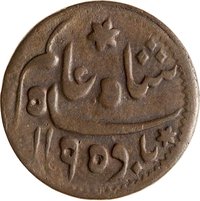
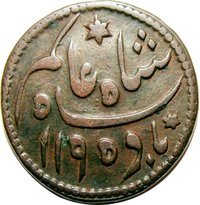
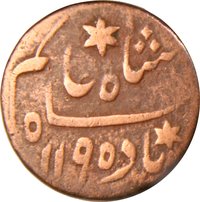
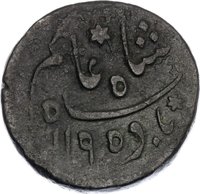
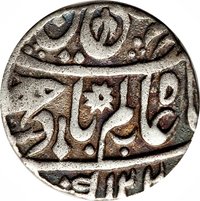
Obverse
Description:
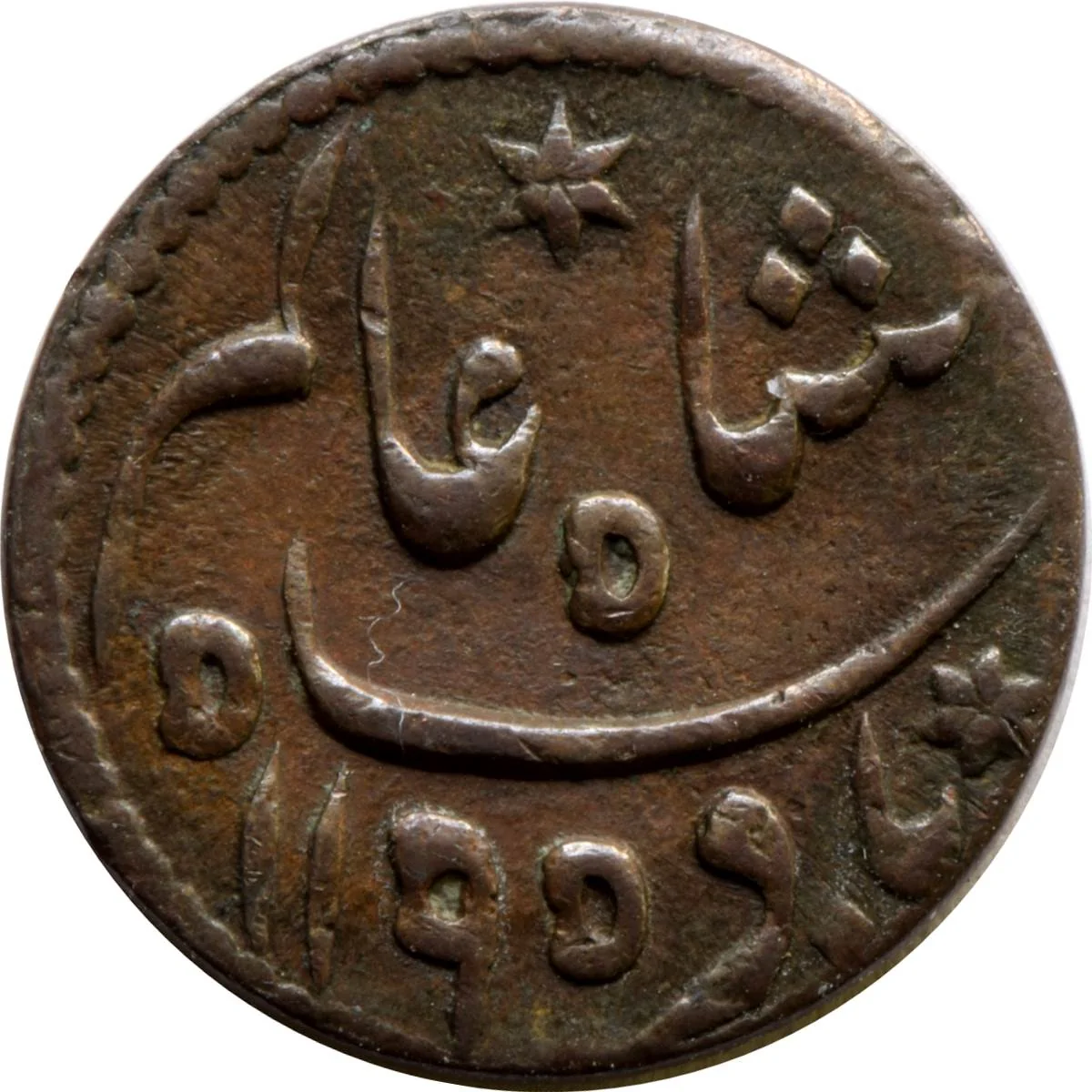
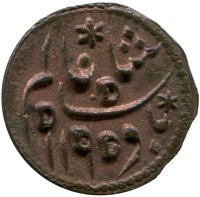
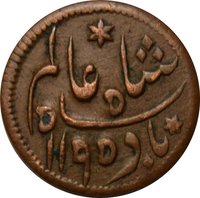
Shah Alam Badshah, AH 1195, within a toothed rim.
Inscription:
باد شاه عالم
۱۱۹٥
۱۱۹٥
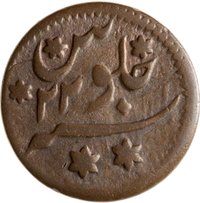
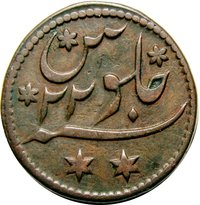
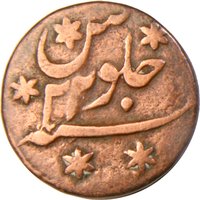
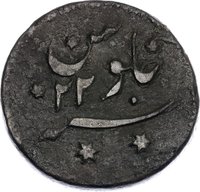
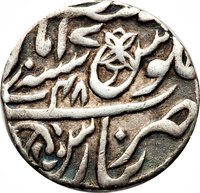
Reverse
Description:
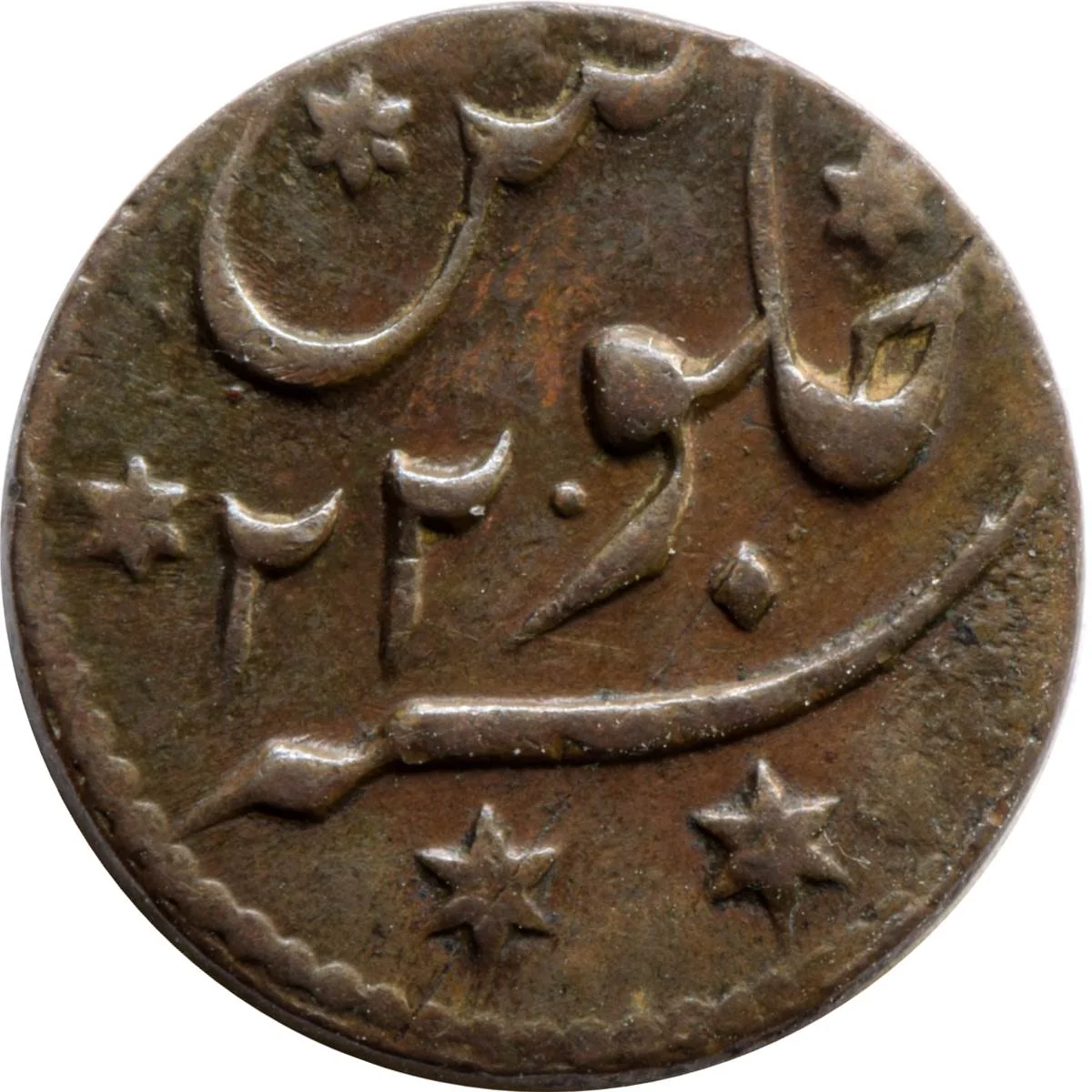
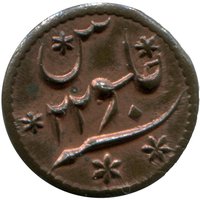
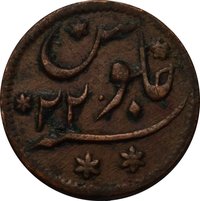
Legend: Persian, Year 22 of reign. Within toothed rim, five stars.
Inscription:
سنه ٢٢ جلوس
Edge
Plain
Mintings
| Year | Mint Mark | Mintage | Quality | Collection |
|---|---|---|---|---|
| 1781 | — | — | ||
| 1781 | — | — | Proof |
Historical background
In 1781, the Bengal Presidency was grappling with a severe and multifaceted currency crisis that threatened the stability of the East India Company's administration and the regional economy. The core of the problem was a critical shortage of specie (coin), particularly the silver Sicca Rupee, which was the standard currency for revenue collection and major transactions. This scarcity was driven by several factors: the Company's own massive export of silver bullion to China to finance the opium and tea trade, the hoarding of coins by a nervous public during a period of political uncertainty, and the drain of wealth caused by the "Tribute" or annual remittance to London. The shortage paralyzed commerce, made it difficult for the Company to pay its troops and civil servants, and led to widespread economic distress.
Compounding the scarcity was a chaotic monetary system plagued by fraud and complexity. A plethora of different rupees from various Mughal-era mints circulated with fluctuating values, while a thriving business in coin-clipping and counterfeiting further eroded public trust. The Company's own attempts to introduce a new uniform rupee, the "Farrukhabad Rupee," in 1773 had failed due to public resistance and technical flaws. By 1781, the monetary landscape was a confusing patchwork of debased, suspect, and undervalued coins, making everyday transactions and revenue assessment fraught with difficulty and dispute.
In response, the Governor-General, Warren Hastings, and his council took decisive action in 1781 by implementing a major currency reform. They demonetized many older, suspect coins and introduced a new standard currency, the "Calcutta Sicca Rupee," to be minted at the renovated Calcutta mint. This new rupee was given a fixed weight and purity and was effectively guaranteed by the Company's government. While the transition was not instantaneous, the reforms of 1781 provided a much-needed foundation for monetary stability. They established a uniform and trustworthy currency that would facilitate commerce, streamline revenue collection, and solidify the Company's fiscal control over Bengal for decades to come.
Compounding the scarcity was a chaotic monetary system plagued by fraud and complexity. A plethora of different rupees from various Mughal-era mints circulated with fluctuating values, while a thriving business in coin-clipping and counterfeiting further eroded public trust. The Company's own attempts to introduce a new uniform rupee, the "Farrukhabad Rupee," in 1773 had failed due to public resistance and technical flaws. By 1781, the monetary landscape was a confusing patchwork of debased, suspect, and undervalued coins, making everyday transactions and revenue assessment fraught with difficulty and dispute.
In response, the Governor-General, Warren Hastings, and his council took decisive action in 1781 by implementing a major currency reform. They demonetized many older, suspect coins and introduced a new standard currency, the "Calcutta Sicca Rupee," to be minted at the renovated Calcutta mint. This new rupee was given a fixed weight and purity and was effectively guaranteed by the Company's government. While the transition was not instantaneous, the reforms of 1781 provided a much-needed foundation for monetary stability. They established a uniform and trustworthy currency that would facilitate commerce, streamline revenue collection, and solidify the Company's fiscal control over Bengal for decades to come.
💎 Extremely Rare