

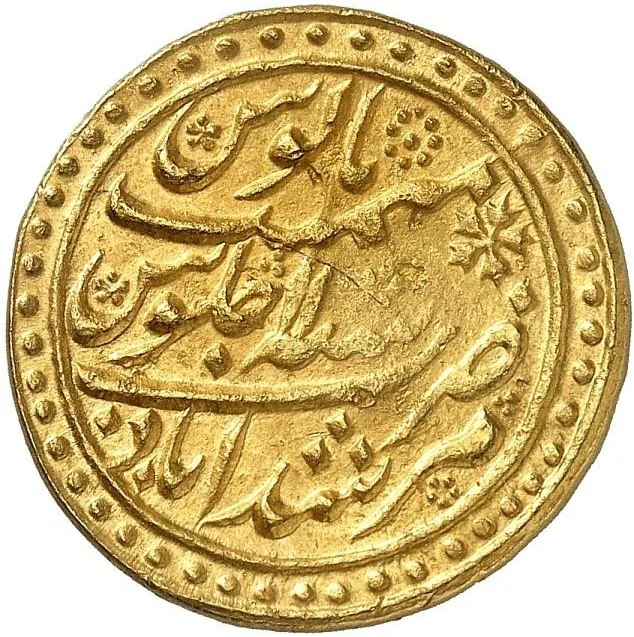
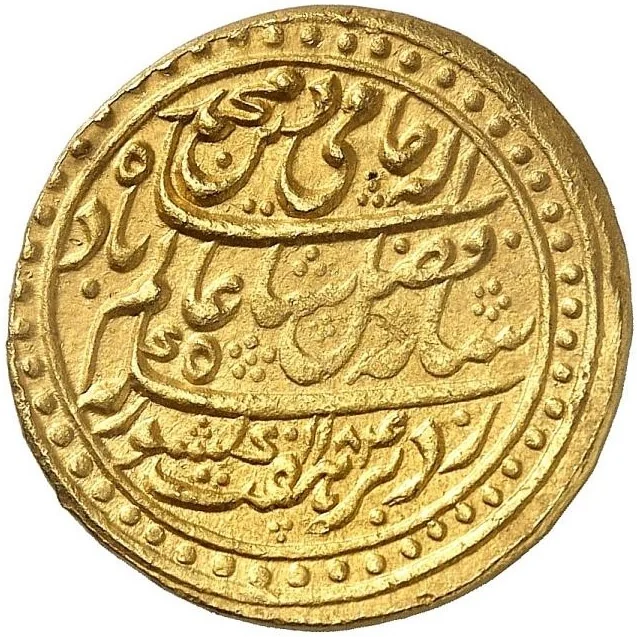
1 Mohur – Bengal Presidency
India
Context
Year: 1771
Islamic (Hijri) Year: 1184
Country: India 
Issuer: Bengal Presidency
Currency:
(1765—1835)
Demonetized: Yes
Material
References
KM: #Click to copy to clipboard94.2
Numista: #280708
Value
Bullion value: $2049.63
Obverse
Description:
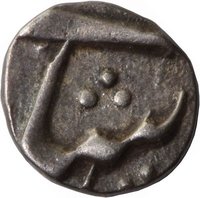
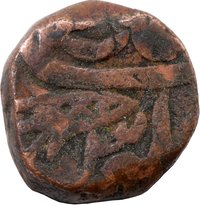
Shah Alam (11), Persian couplet, fine style.
Reverse
Description:
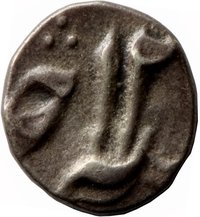
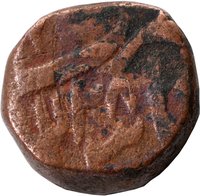
Persian julus, mint name, fine style.
Edge
Mintings
| Year | Mint Mark | Mintage | Quality | Collection |
|---|---|---|---|---|
| 1771 | — | — |
Historical background
In 1771, the Bengal Presidency was grappling with a severe monetary crisis rooted in the East India Company's (EIC) aggressive expansion and fiscal policies following its 1765 acquisition of the diwani (revenue rights). The primary currency, the silver Sicca Rupee, was in a state of alarming debasement and scarcity. The EIC, desperate to finance its wars and remit wealth to Britain, had been heavily minting new, lighter-weight rupees while also systematically draining Bengal of its silver bullion through export and the forced purchase of Company Bills. This created a vicious cycle where the intrinsic silver content of coins fell, public trust eroded, and hoarding became widespread, further constricting the money supply.
This currency instability was catastrophically exacerbated by the Great Bengal Famine of 1769-1770, which had killed an estimated ten million people. The famine devastated the agrarian economy, collapsing the revenue base and destroying the circulation of currency in rural areas. With harvests gone, land revenue payments—demanded by the Company in silver—became impossible for many, leading to widespread arrears and further coercive collections. The simultaneous scarcity of food and silver created a paralyzing deflationary shock in the countryside, even as prices in Calcutta remained high, highlighting the fractured and dysfunctional monetary system.
Consequently, by 1771, the Presidency faced a dual crisis: a physical shortage of credible specie and a systemic loss of confidence in the coinage. The EIC administration, under Warren Hastings, recognized the need for reform but was hampered by immediate financial pressures. The situation underscored the Company's transition from a trading entity to a territorial ruler, struggling to manage a complex indigenous economy it had fundamentally destabilized. The chaos of 1771 would directly lead to the major currency reforms of 1773-1777, which aimed to standardize the rupee and reassert state control over the mint, marking a pivotal moment in the colonial imposition of a unified monetary system.
This currency instability was catastrophically exacerbated by the Great Bengal Famine of 1769-1770, which had killed an estimated ten million people. The famine devastated the agrarian economy, collapsing the revenue base and destroying the circulation of currency in rural areas. With harvests gone, land revenue payments—demanded by the Company in silver—became impossible for many, leading to widespread arrears and further coercive collections. The simultaneous scarcity of food and silver created a paralyzing deflationary shock in the countryside, even as prices in Calcutta remained high, highlighting the fractured and dysfunctional monetary system.
Consequently, by 1771, the Presidency faced a dual crisis: a physical shortage of credible specie and a systemic loss of confidence in the coinage. The EIC administration, under Warren Hastings, recognized the need for reform but was hampered by immediate financial pressures. The situation underscored the Company's transition from a trading entity to a territorial ruler, struggling to manage a complex indigenous economy it had fundamentally destabilized. The chaos of 1771 would directly lead to the major currency reforms of 1773-1777, which aimed to standardize the rupee and reassert state control over the mint, marking a pivotal moment in the colonial imposition of a unified monetary system.
✨ Legendary