

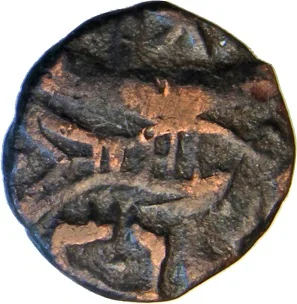
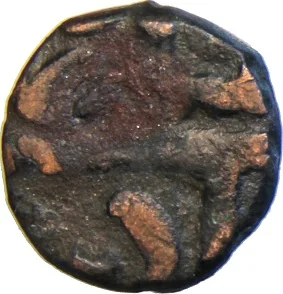
1 paisa – Awadh
Add to wishlist
India
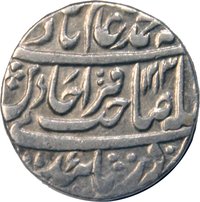
Obverse
Description:
Fish Horizontal, RY date below
Inscription:
RY 36
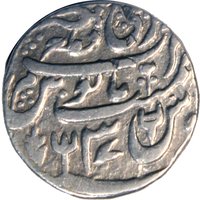
Reverse
Description:
Shah Alam, 2 pax
Edge
Plain
Mints
| Name | Mark |
|---|---|
| Najibabad | — |
Mintings
| Year | Mint Mark | Mintage | Quality | Collection |
|---|---|---|---|---|
| — | — | — | ||
| 1794 | — | — | ||
| 1795 | — | — | ||
| 1797 | — | — | ||
| 1801 | — | — | ||
| 1802 | — | — | ||
| 1803 | — | — |
Historical background
In 1794, the currency situation in Awadh was a complex and deteriorating system, characterized by severe debasement and economic instability. The Nawab, Asaf-ud-Daula, faced chronic financial strain due to the enormous tribute (subsidy) paid to the British East India Company, extravagant court expenditure, and a series of poor harvests. To meet these obligations, the Awadh government increasingly resorted to minting new, debased rupees with a significantly lower silver content than the widely respected "Sicca Rupee" of the Bengal Presidency. This created a dual-currency chaos where older, purer coins were hoarded or melted down (Gresham's Law in action), while the new, lightweight "Asafi" rupees flooded the market, eroding public trust.
The monetary confusion was exacerbated by a lack of standardized assaying and the circulation of numerous older coin types from different reigns alongside forged coins. Merchants and bankers, particularly the powerful sarrafs (money-changers), had to constantly discount the new rupees, leading to multiple, fluctuating exchange rates. This environment stifled trade, created uncertainty in revenue collection (as the state itself struggled to define the value of its own currency), and placed a heavy burden on the peasantry, who paid taxes in kind or in coin but faced unpredictable real values.
Ultimately, the currency crisis of 1794 was a direct symptom of Awadh's declining sovereignty and fiscal mismanagement. The British residency, while critical of the debasement, largely viewed the turmoil as an internal affair, as their tribute was secured through territorial cessions and direct control of Awadh's fertile lands. The situation weakened Awadh's internal economy, increased its dependency on British-backed financial intermediaries, and highlighted the kingdom's accelerating political decay just over two decades before its formal annexation.
The monetary confusion was exacerbated by a lack of standardized assaying and the circulation of numerous older coin types from different reigns alongside forged coins. Merchants and bankers, particularly the powerful sarrafs (money-changers), had to constantly discount the new rupees, leading to multiple, fluctuating exchange rates. This environment stifled trade, created uncertainty in revenue collection (as the state itself struggled to define the value of its own currency), and placed a heavy burden on the peasantry, who paid taxes in kind or in coin but faced unpredictable real values.
Ultimately, the currency crisis of 1794 was a direct symptom of Awadh's declining sovereignty and fiscal mismanagement. The British residency, while critical of the debasement, largely viewed the turmoil as an internal affair, as their tribute was secured through territorial cessions and direct control of Awadh's fertile lands. The situation weakened Awadh's internal economy, increased its dependency on British-backed financial intermediaries, and highlighted the kingdom's accelerating political decay just over two decades before its formal annexation.
✨ Legendary