

2 Mun – Joseon
Context
Material
Diameter: 31 mm
Weight: 8.5 g
Shape: Round with a square hole
Composition: Copper
Magnetic: No
Alignment: Medal alignment
flip
References
KM: #Click to copy to clipboard925
Numista: #74414
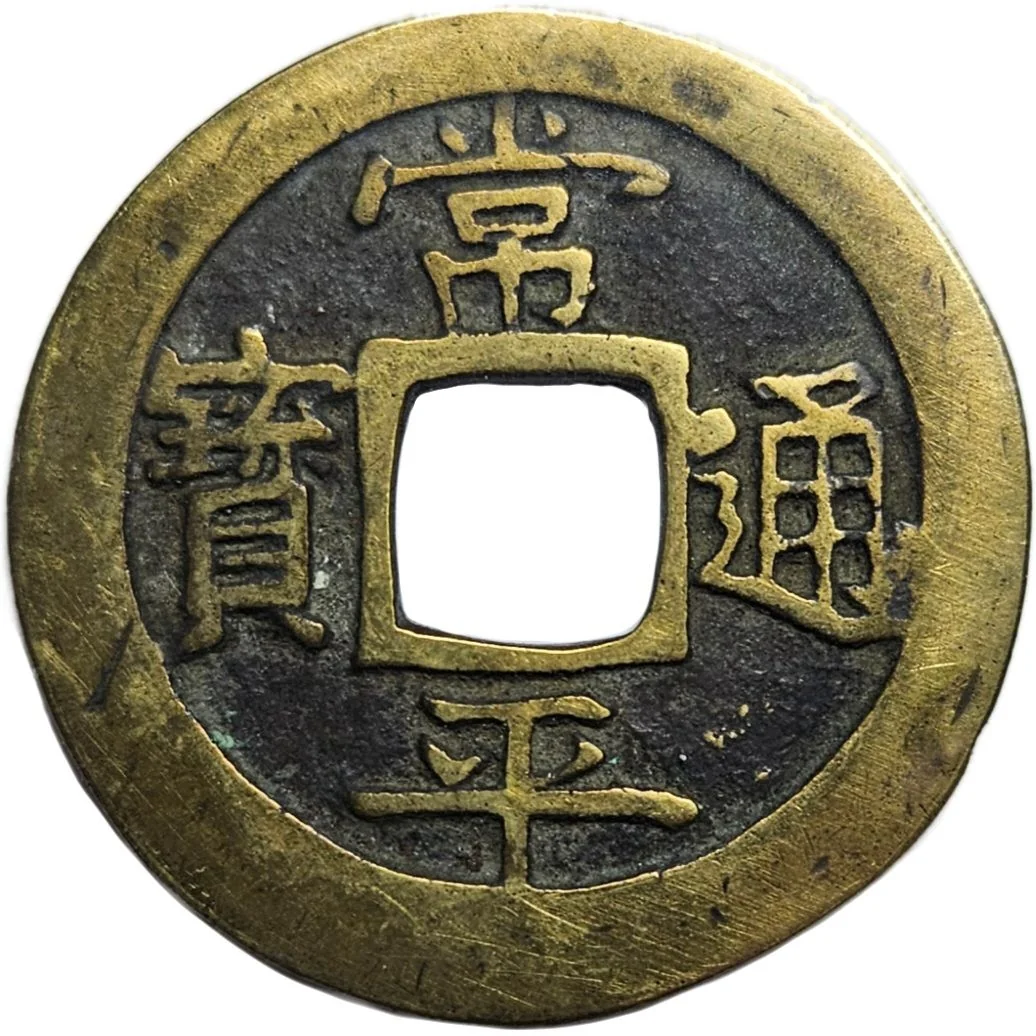
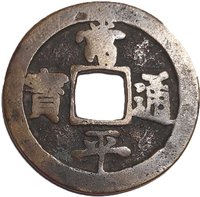
Obverse
Description:
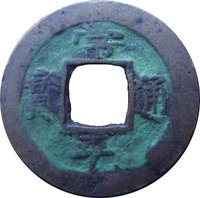
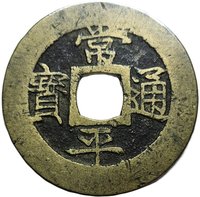
常平通寶 (Sang pyong Tong bo) - Yi Dynasty Korean currency.
Inscription:
常
寶 通
平
寶 通
平
Scripts: Chinese (traditional, regular script)
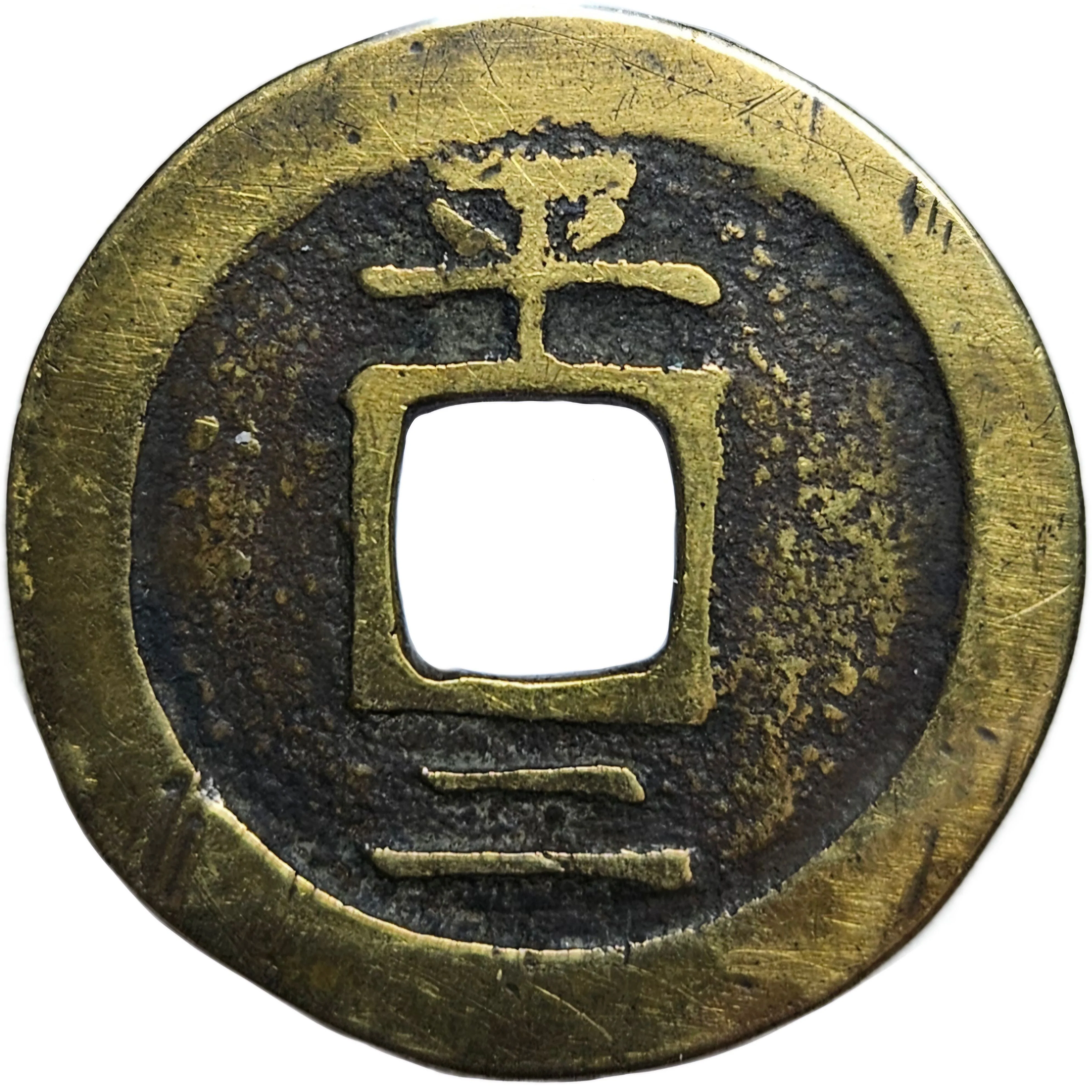
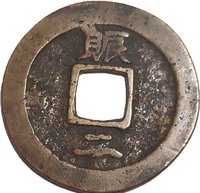
Reverse
Description:
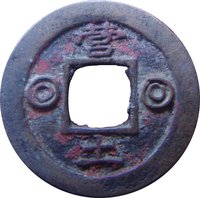
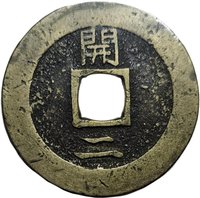
Mint mark top, serial number bottom. *平: Pyong'an Provincial Office.
Inscription:
平
二
二
Scripts: Chinese (traditional, regular script)
Edge
Plain
Mints
| Name | Mark |
|---|---|
| P'yongan Provincial Office | 平 |
Mintings
| Year | Mint Mark | Mintage | Quality | Collection |
|---|---|---|---|---|
| — | 平 | — |
Historical background
In 1678, the currency situation in Joseon Korea was defined by the persistent failure of state-issued bronze coin, the sangpyeong tongbo (常平通寶), to achieve stable circulation. Despite repeated royal edicts and government efforts since its reintroduction in the early 17th century, the populace remained deeply distrustful of coinage, preferring the tangible reliability of rice and cloth for everyday transactions. This distrust stemmed from memories of hyperinflation and abandoned minting schemes in the previous century, leading to a dual economy where coins were officially promoted but often shunned in private markets, especially in the countryside.
The court of King Sukjong viewed a unified monetary system as crucial for centralizing economic power, simplifying tax collection, and stimulating commerce. However, implementation faced severe practical hurdles. A chronic shortage of copper, necessary for minting, limited the volume of coins in circulation, while counterfeiting using inferior metals was rampant, further eroding public confidence. The government's own financial practices also undermined its goals; it often disbursed coins for official expenses but insisted on receiving grain or cloth for tax payments, contradicting its pro-coin policy and discouraging public adoption.
Consequently, the monetary landscape of 1678 was one of transition and tension. Seoul and major trade routes saw increasing use of coin, particularly among merchants and government agencies, yet the vast agricultural interior continued to operate on a semi-barter system. This period represents a critical, albeit frustrating, phase in the Joseon state's centuries-long struggle to establish a standardized currency, caught between ambitious central policy and entrenched local economic traditions.
The court of King Sukjong viewed a unified monetary system as crucial for centralizing economic power, simplifying tax collection, and stimulating commerce. However, implementation faced severe practical hurdles. A chronic shortage of copper, necessary for minting, limited the volume of coins in circulation, while counterfeiting using inferior metals was rampant, further eroding public confidence. The government's own financial practices also undermined its goals; it often disbursed coins for official expenses but insisted on receiving grain or cloth for tax payments, contradicting its pro-coin policy and discouraging public adoption.
Consequently, the monetary landscape of 1678 was one of transition and tension. Seoul and major trade routes saw increasing use of coin, particularly among merchants and government agencies, yet the vast agricultural interior continued to operate on a semi-barter system. This period represents a critical, albeit frustrating, phase in the Joseon state's centuries-long struggle to establish a standardized currency, caught between ambitious central policy and entrenched local economic traditions.
💎 Extremely Rare