

2 Mun – Joseon
Context
Material
Diameter: 30 mm
Weight: 8 g
Thickness: 1.23 mm
Shape: Round with a square hole
Composition: Copper
Magnetic: No
Alignment: Medal alignment
flip
References
KM: #Click to copy to clipboard160
Numista: #367657
Obverse
Description:
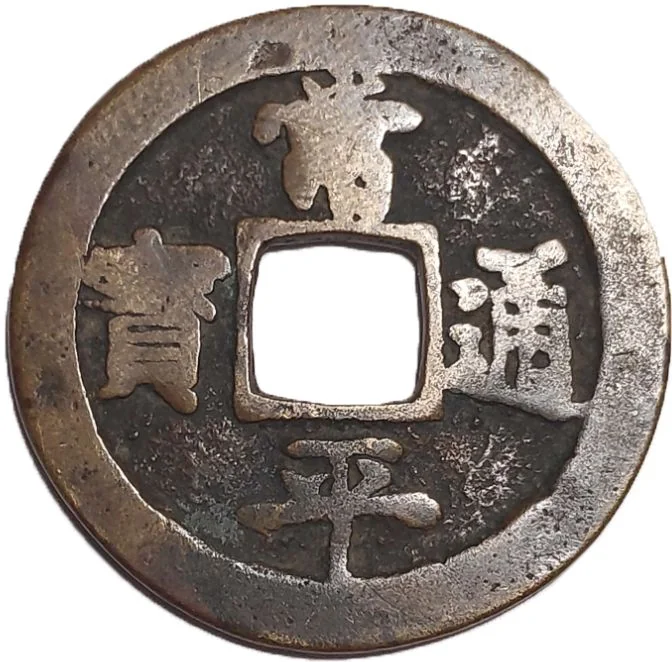
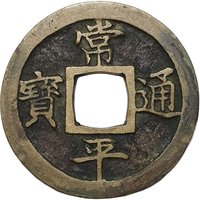
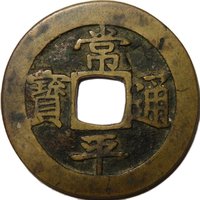
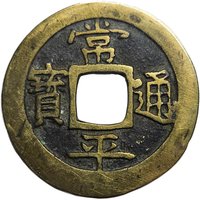
常平通寶 (Sang pyong Tong bo) - Yi Dynasty Korean currency.
Inscription:
常
寶 通
平
寶 通
平
Scripts: Chinese (traditional, regular script)
Reverse
Description:
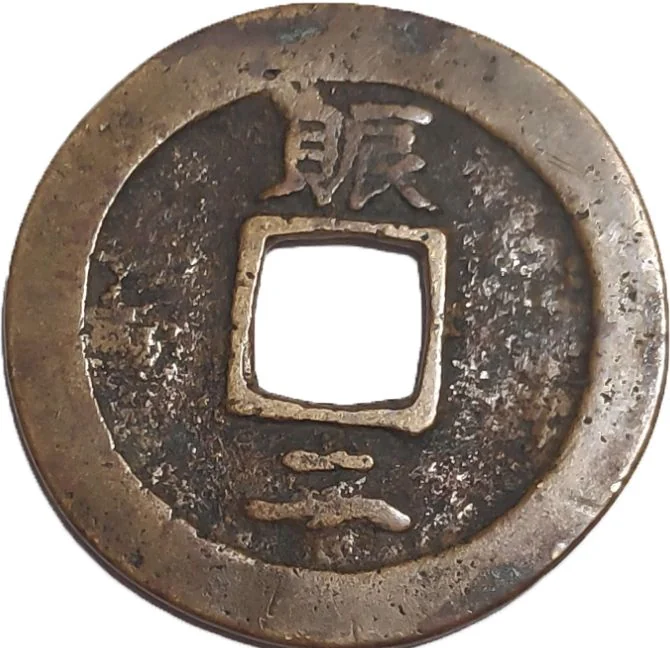
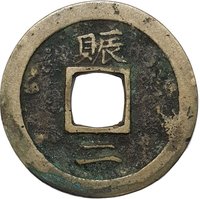
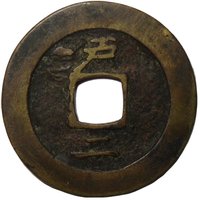
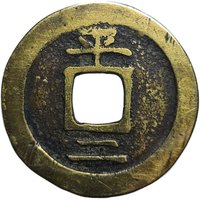
Mint mark top, serial number bottom *賑 (Seoul Charity Office)
Inscription:
賑
二
二
Scripts: Chinese (traditional, regular script)
Edge
Plain
Mints
| Name | Mark |
|---|---|
| Charity Office | 賑 |
Mintings
| Year | Mint Mark | Mintage | Quality | Collection |
|---|---|---|---|---|
| — | 賑 | — |
Historical background
In 1679, the currency system of Joseon Korea was in a state of significant strain and transition, caught between the ideals of a agrarian Confucian state and the practical demands of a commercializing economy. The primary medium of exchange remained the yang, a unit of account based on silver by weight (often in the form of stamped silver nyang or sycee), and copper mun coins, which were physically strung together. However, the supply of these coins was chronically insufficient for daily commerce, leading to widespread use of alternative currencies like standardized bolts of cotton cloth (pŏp'o) and rice. This multiplicity created complexity and inefficiency, hindering both taxation and trade.
The root of the monetary instability lay in the state's weak minting capacity and a deep-seated ideological reluctance within the ruling yangban class to fully embrace a coin-based economy, which was associated with destabilizing profit and merchants. Earlier attempts to circulate copper coinage, notably under King Sejong and King Sukjong's regency, had met with public distrust and "coin strikes" where people refused to use them. By 1679, King Sukjong was actively reigning and pushing for monetary reform to centralize authority and increase state revenue, but the infrastructure for producing sufficient, high-quality copper coins was not yet robust. Furthermore, rampant counterfeiting of both coins and cloth currency eroded public confidence in any standardized medium.
Consequently, the currency situation in 1679 was characterized by a fragmented and unreliable system. The coexistence of silver, copper, cloth, and grain as money reflected a society in economic flux. While the court in Hanseong was increasingly aware of the need for a unified currency to facilitate administration and market growth—a concern that would lead to more concerted minting efforts in the 1680s—the reality on the ground was one of localized exchange and barter, posing a persistent challenge to both governance and economic integration within the kingdom.
The root of the monetary instability lay in the state's weak minting capacity and a deep-seated ideological reluctance within the ruling yangban class to fully embrace a coin-based economy, which was associated with destabilizing profit and merchants. Earlier attempts to circulate copper coinage, notably under King Sejong and King Sukjong's regency, had met with public distrust and "coin strikes" where people refused to use them. By 1679, King Sukjong was actively reigning and pushing for monetary reform to centralize authority and increase state revenue, but the infrastructure for producing sufficient, high-quality copper coins was not yet robust. Furthermore, rampant counterfeiting of both coins and cloth currency eroded public confidence in any standardized medium.
Consequently, the currency situation in 1679 was characterized by a fragmented and unreliable system. The coexistence of silver, copper, cloth, and grain as money reflected a society in economic flux. While the court in Hanseong was increasingly aware of the need for a unified currency to facilitate administration and market growth—a concern that would lead to more concerted minting efforts in the 1680s—the reality on the ground was one of localized exchange and barter, posing a persistent challenge to both governance and economic integration within the kingdom.
Series: 1679 Joseon circulation coins

💎 Extremely Rare