

1 Kreuzer – Austrian Empire
Austria
Context
Year: 1712
Country: Austria 
Issuer: Austrian Empire
Ruler: Charles VI
Currency:
(1520—1754)
Demonetized: Yes
Material
References
KM: #Click to copy to clipboard1516
Numista: #72642
Obverse
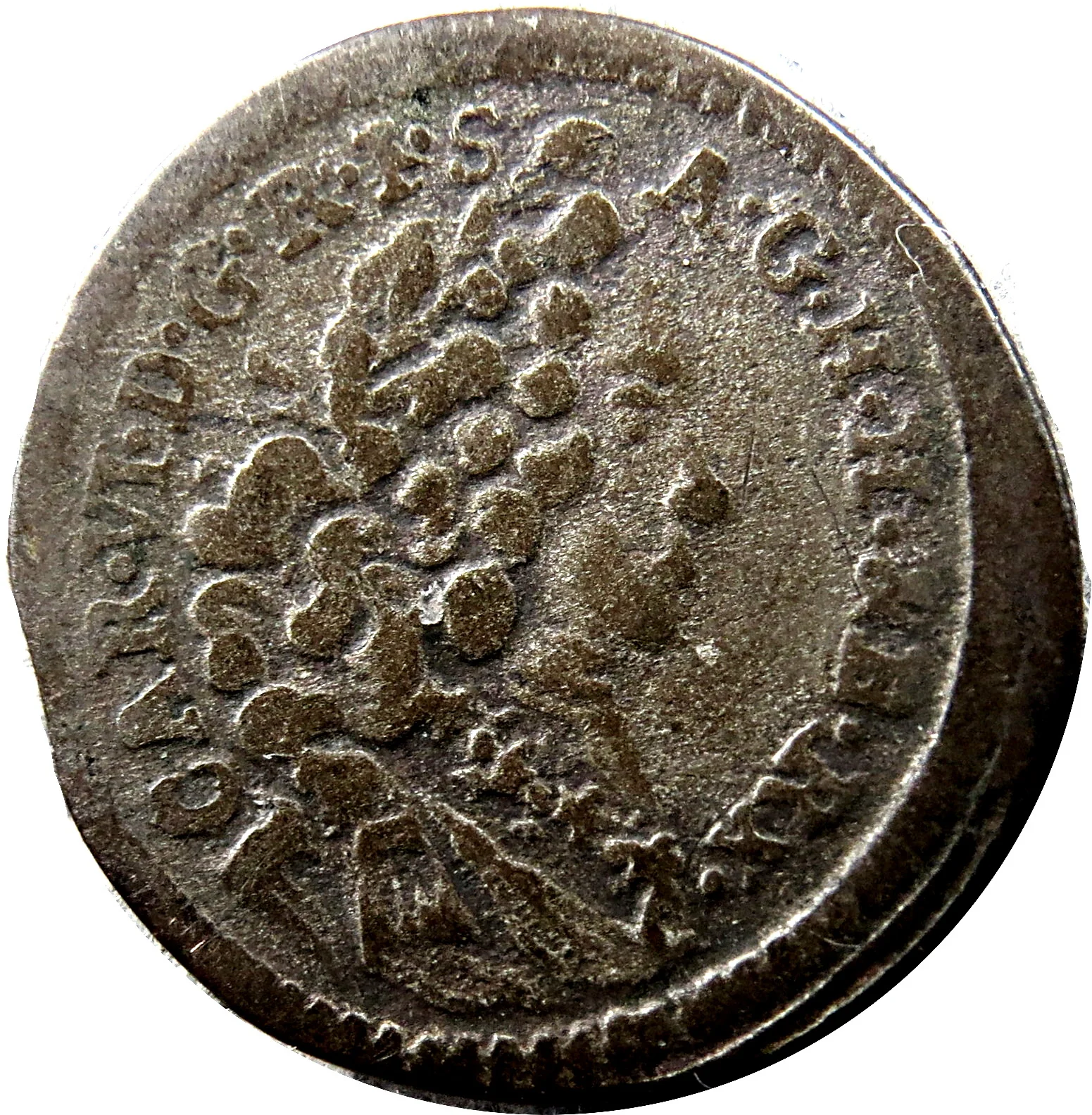
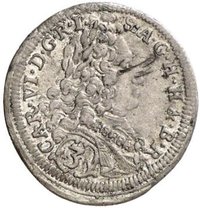
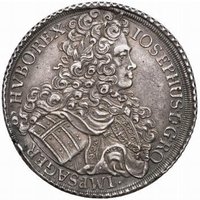
Description:
Right-facing portrait of Charles VI, with legend: "Carolus VI Dei Gratia Romanorum Imperator Semper Augustus Germaniae Hungariae Hispaniae".
Inscription:
CAR VI D G R I S A G H H & B RX
Script: Latin
Reverse
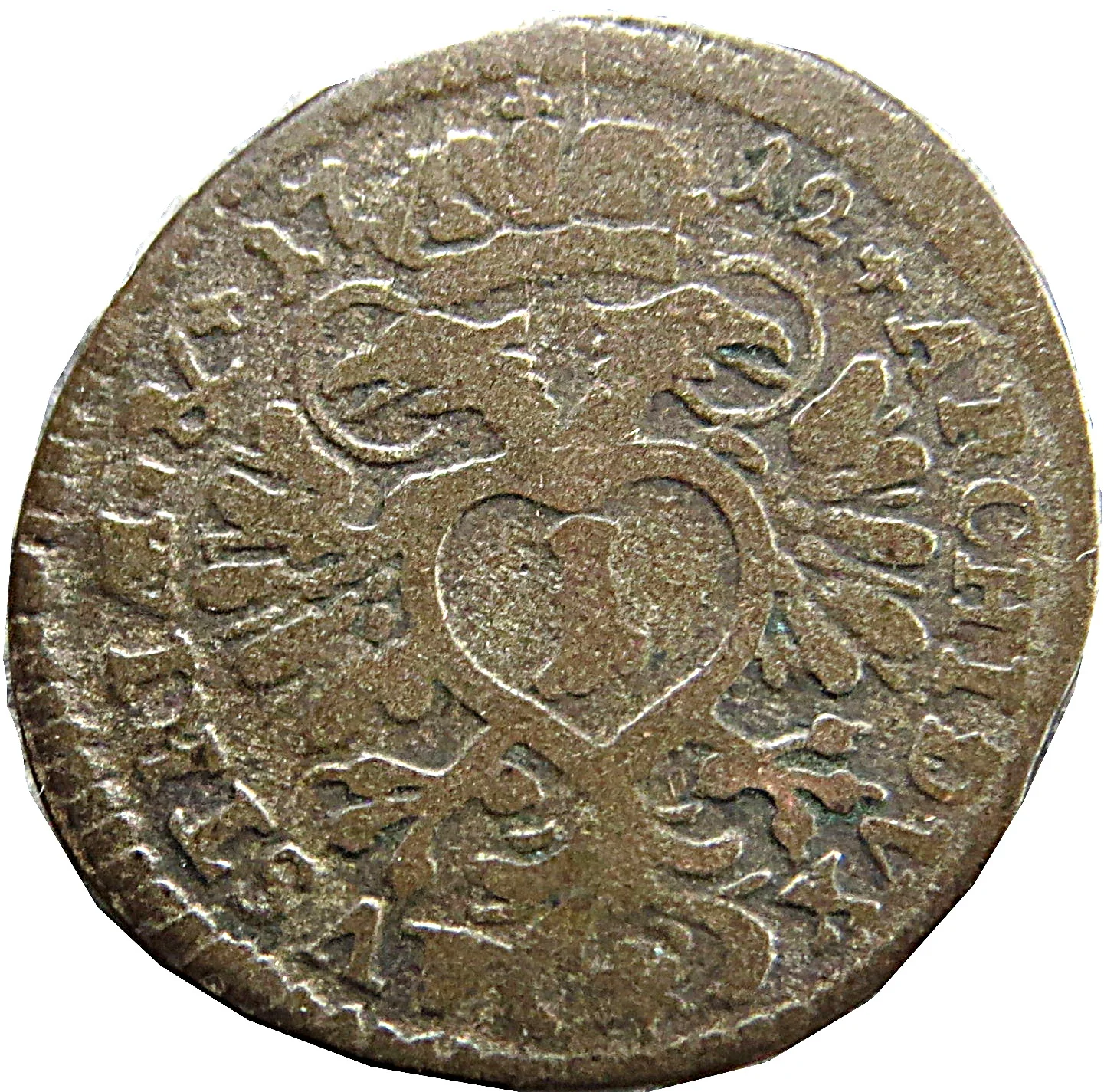
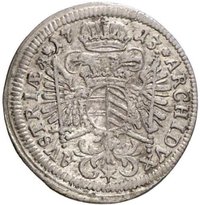
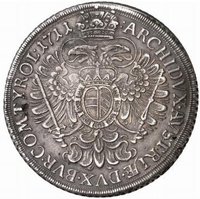
Description:
Imperial eagle with two heads, crown above date, value on breast, Munich star below tail.
Inscription:
ARCHIDVX AVSTRIÆ & 17 12
Script: Latin
Edge
Mints
| Name | Mark |
|---|---|
| Munich | — |
Mintings
| Year | Mint Mark | Mintage | Quality | Collection |
|---|---|---|---|---|
| 1712 | * | — |
Historical background
In 1712, the currency system of the Austrian Habsburg Empire was a complex and fragile patchwork, still deeply strained by the financial demands of the ongoing War of the Spanish Succession (1701-1714). The primary large silver coin was the Reichsthaler, but the most common unit of account for daily transactions was the Gulden (florin), divided into 60 Kreuzer. However, the actual circulating coins were highly heterogeneous, consisting of domestic issues from various Habsburg mints (like Vienna and Graz) and a flood of foreign coins from neighboring German states, the Netherlands, and Italy, all trading at fluctuating values.
The core problem was chronic debasement. To fund its massive military expenditures, the state repeatedly reduced the silver content in its coinage while officially maintaining their face value, a practice that led to severe inflation and a loss of public trust. This created a classic situation of Gresham's Law, where "bad money drives out good"—people hoarded older, full-weight coins and used the newer, inferior ones for payments, further destabilizing the economy. The Vienna City Bank (Wiener Stadtbank), established in 1706, attempted to provide a stable credit institution, but it could not immediately rectify the underlying monetary disorder.
Consequently, trade and taxation were hampered by uncertainty and constant recalculations. Authorities issued frequent ordinances and exchange rate tables (Münztarife) to dictate the value of the myriad coins in circulation, but these were often ineffective or ignored in practice. The year 1712 thus fell within a protracted period of monetary crisis, where the Habsburg state's fiscal needs directly undermined the integrity of its currency, a problem that would only begin to be systematically addressed after the war's end with more centralized reforms under Emperor Charles VI.
The core problem was chronic debasement. To fund its massive military expenditures, the state repeatedly reduced the silver content in its coinage while officially maintaining their face value, a practice that led to severe inflation and a loss of public trust. This created a classic situation of Gresham's Law, where "bad money drives out good"—people hoarded older, full-weight coins and used the newer, inferior ones for payments, further destabilizing the economy. The Vienna City Bank (Wiener Stadtbank), established in 1706, attempted to provide a stable credit institution, but it could not immediately rectify the underlying monetary disorder.
Consequently, trade and taxation were hampered by uncertainty and constant recalculations. Authorities issued frequent ordinances and exchange rate tables (Münztarife) to dictate the value of the myriad coins in circulation, but these were often ineffective or ignored in practice. The year 1712 thus fell within a protracted period of monetary crisis, where the Habsburg state's fiscal needs directly undermined the integrity of its currency, a problem that would only begin to be systematically addressed after the war's end with more centralized reforms under Emperor Charles VI.
💎 Extremely Rare