

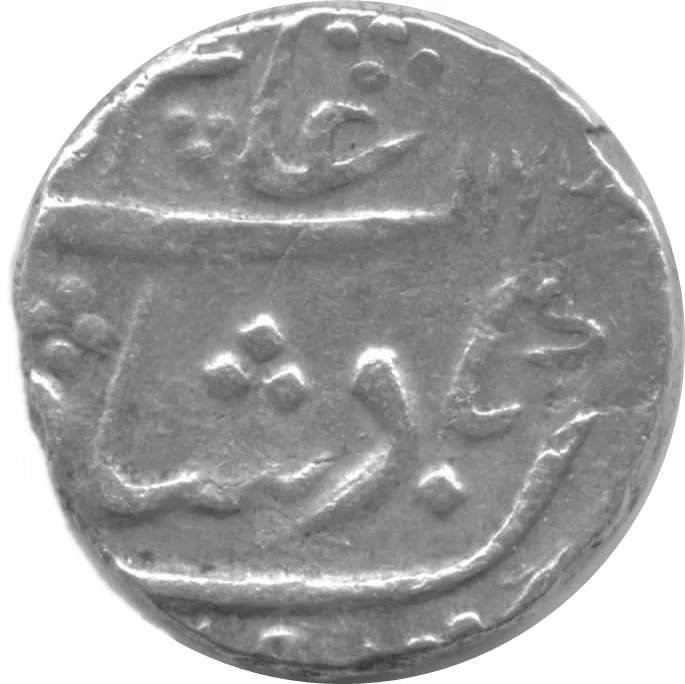
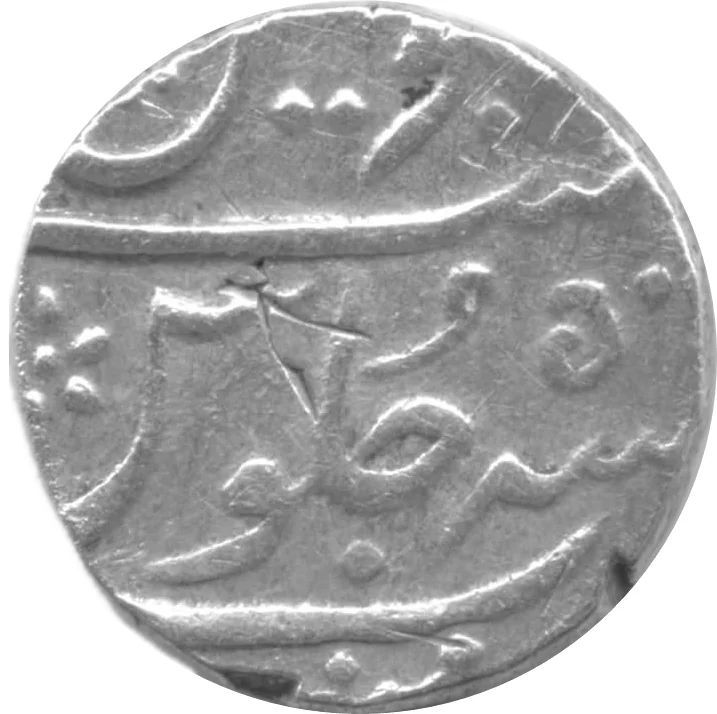
1 Rupee – Bombay Presidency
India
Context

Material
References
KM: #Click to copy to clipboard176
Numista: #92094
Value
Bullion value: $33.70
Obverse
Description:
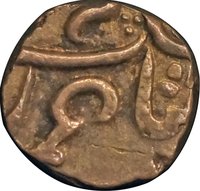
Sikka mubarak, Badshah ghazi Alamgir, AH date
Inscription:
١١٧٣
Reverse
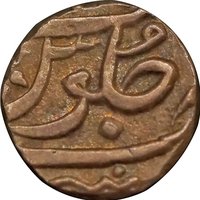
Description:
Zarb Mumbai, Year 5 of Reign
Inscription:
٥
Edge
Plain
Mintings
| Year | Mint Mark | Mintage | Quality | Collection |
|---|---|---|---|---|
| 1756 | — | — | ||
| 1757 | — | — | ||
| 1760 | — | — |
Historical background
In 1756, the currency situation within the Bombay Presidency was a complex and often chaotic reflection of its transitional political economy. The region operated without a unified monetary system, functioning instead as a marketplace for a multitude of coins from various Indian and European powers. The most prominent circulating currencies were the silver rupees of the Mughal Empire and its successor states, particularly those minted in Surat. Alongside these, Portuguese xerafins and tangas, as well as gold pagodas from the south, were widely used in trade. The British East India Company itself issued coins from the Bombay Mint, but their acceptance and value were largely dependent on their silver content and the Company's fluctuating local authority.
This multiplicity of currencies created significant challenges for commerce and administration. Exchange rates were not fixed, leading to constant arbitrage, confusion, and fraud. Merchants and the Company's treasury had to employ skilled shroffs (money-changers and assayers) to verify the weight and purity of coins, a process that was both time-consuming and risky. The problem was exacerbated by the widespread practice of clipping and counterfeiting coins, which eroded trust in any single medium of exchange. The Presidency’s finances were further strained by the need to remit silver bullion from Europe to mint its own rupees, a costly and vulnerable process.
The underlying cause of this monetary instability was the Company's still-limited sovereign power. While it controlled Bombay Island, its authority on the surrounding coast was largely commercial and diplomatic, competing with the Maratha Confederacy, various Gujarati powers, and other European companies. The currency chaos of 1756, therefore, mirrored the fragmented political landscape. It was a system that would only begin to be rationalized in the coming decades as the Company's military and political conquests, particularly following the Battle of Plassey in 1757, granted it greater territorial control and the ability to impose a more standardized monetary system across its expanding dominions.
This multiplicity of currencies created significant challenges for commerce and administration. Exchange rates were not fixed, leading to constant arbitrage, confusion, and fraud. Merchants and the Company's treasury had to employ skilled shroffs (money-changers and assayers) to verify the weight and purity of coins, a process that was both time-consuming and risky. The problem was exacerbated by the widespread practice of clipping and counterfeiting coins, which eroded trust in any single medium of exchange. The Presidency’s finances were further strained by the need to remit silver bullion from Europe to mint its own rupees, a costly and vulnerable process.
The underlying cause of this monetary instability was the Company's still-limited sovereign power. While it controlled Bombay Island, its authority on the surrounding coast was largely commercial and diplomatic, competing with the Maratha Confederacy, various Gujarati powers, and other European companies. The currency chaos of 1756, therefore, mirrored the fragmented political landscape. It was a system that would only begin to be rationalized in the coming decades as the Company's military and political conquests, particularly following the Battle of Plassey in 1757, granted it greater territorial control and the ability to impose a more standardized monetary system across its expanding dominions.
✨ Legendary