

15 kreuzer – Austrian Empire
Add to wishlist
Austria
Obverse
Description:
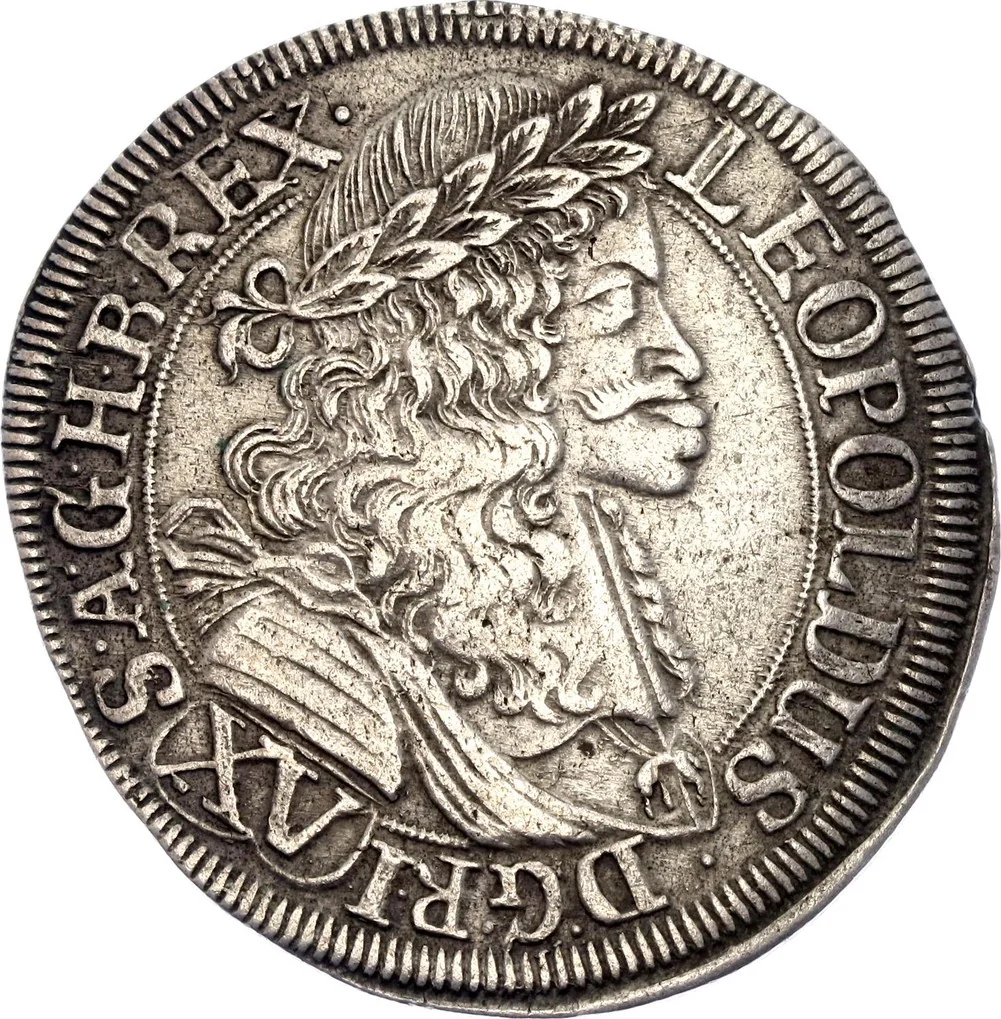
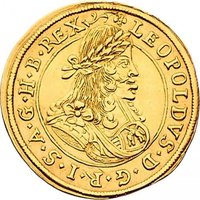
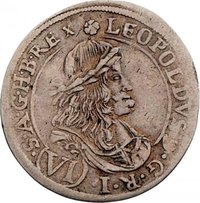
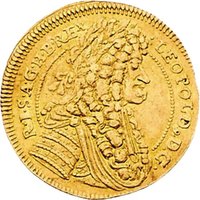
Portrait of Leopold I facing right, with curly wig. Legend above: "LEOPOLDUS DEI GRATIA ROMANORUM IMPERATOR SEMPER AUGUSTUS GERMANIAE HUNGARIAE BOHEMIAE REX." Value in Roman numerals below bust.
Inscription:
LEOPOLDUS D G R I S (XV) A G H B REX
Script: Latin
Reverse
Description:
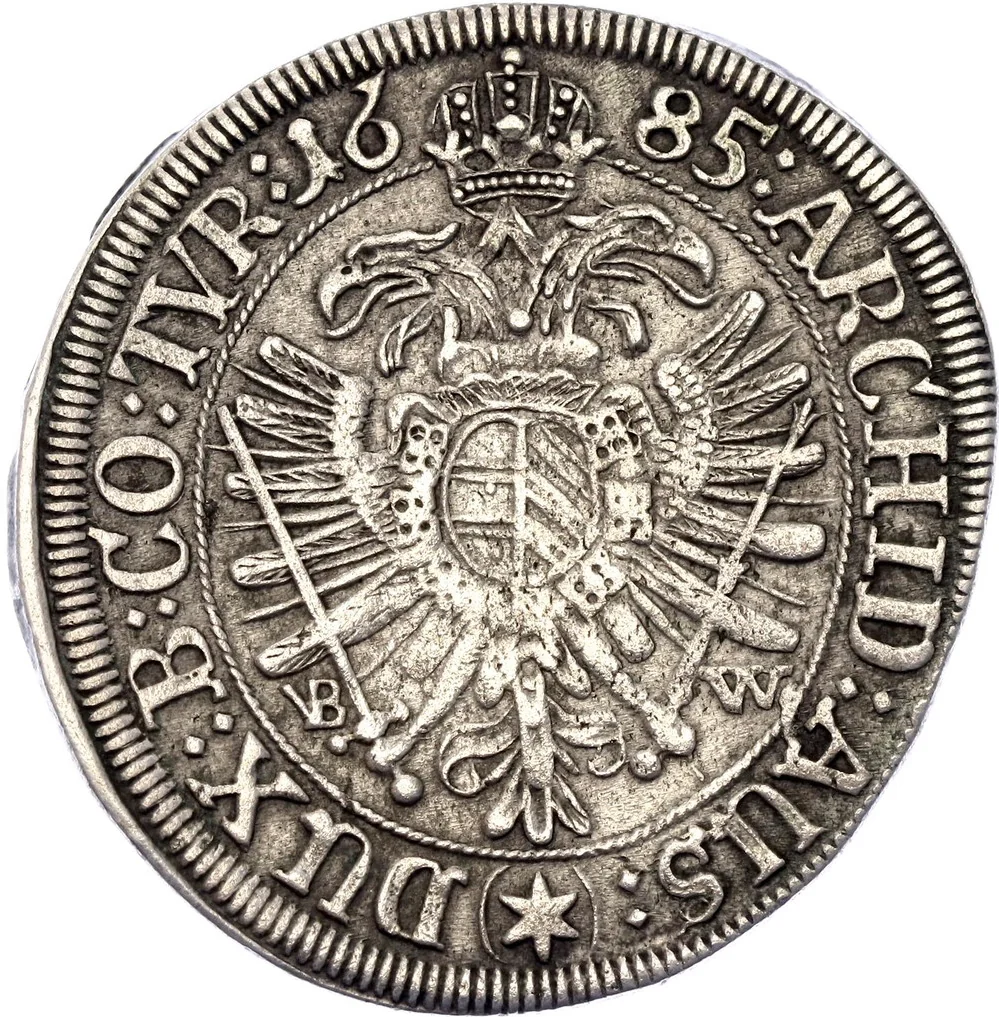
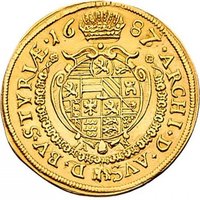
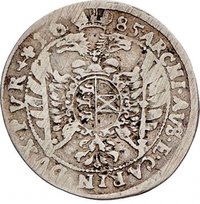
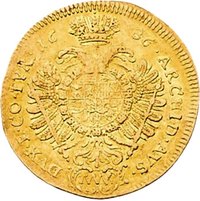
Imperial double-headed eagle with central shields (Austria left, ancient Burgundy right). Crown divides date. Mint mark (star) divides legend "Archidux Austriae Dux Burgundiae Comes Tyrolis."
Inscription:
ARCHID AUS (*) DUX B CO TYR
Script: Latin
Edge
Mints
| Name | Mark |
|---|---|
| Mainz | — |
Mintings
| Year | Mint Mark | Mintage | Quality | Collection |
|---|---|---|---|---|
| 1685 | * | — | ||
| 1685 | BW | — | ||
| 1685 | VB | — |
Historical background
In 1685, the Austrian Empire, more accurately referred to as the Habsburg Monarchy, operated under a complex and fragmented monetary system, a direct reflection of its decentralized political structure. The empire was not a unified fiscal state but a collection of kingdoms, duchies, and provinces, each with varying degrees of economic autonomy. The primary silver coin was the Reichsthaler (Imperial Thaler), a large silver coin used for large transactions and state finance. However, daily commerce was dominated by a plethora of regional and local coins, such as Kreuzers and Groschen, whose value and silver content could differ significantly from one territory to another, leading to constant confusion and exchange difficulties.
This monetary fragmentation was exacerbated by the ongoing Great Turkish War (1683-1699), which placed immense fiscal strain on the Habsburg treasury. To finance the massive military campaigns against the Ottoman Empire, the state frequently resorted to debasement—reducing the precious metal content in coins while maintaining their face value. This practice, often conducted at mints like those in Vienna, Graz, or Kremnica, led to inflation, a loss of public trust in the currency, and the circulation of vastly overvalued, "bad" money alongside older, full-weight "good" money, which was often hoarded or melted down.
Consequently, the year 1685 fell within a period of significant monetary instability. While efforts at standardization were discussed, effective central control remained elusive. The economy functioned through a cumbersome system of exchange rates and agio charges (premiums for trading one currency for another), hampering trade and efficient tax collection. The situation underscored the Habsburg Monarchy's pressing need for greater administrative and financial centralization, a challenge that would occupy its rulers for the next century.
This monetary fragmentation was exacerbated by the ongoing Great Turkish War (1683-1699), which placed immense fiscal strain on the Habsburg treasury. To finance the massive military campaigns against the Ottoman Empire, the state frequently resorted to debasement—reducing the precious metal content in coins while maintaining their face value. This practice, often conducted at mints like those in Vienna, Graz, or Kremnica, led to inflation, a loss of public trust in the currency, and the circulation of vastly overvalued, "bad" money alongside older, full-weight "good" money, which was often hoarded or melted down.
Consequently, the year 1685 fell within a period of significant monetary instability. While efforts at standardization were discussed, effective central control remained elusive. The economy functioned through a cumbersome system of exchange rates and agio charges (premiums for trading one currency for another), hampering trade and efficient tax collection. The situation underscored the Habsburg Monarchy's pressing need for greater administrative and financial centralization, a challenge that would occupy its rulers for the next century.
💎 Extremely Rare