

5 Kreuzer – Austrian Empire
Austria
Context
Year: 1765
Country: Austria 
Issuer: Austrian Empire
Ruler: Maria Theresa
Currency:
(1754—1857)
Demonetized: Yes
Material
References
KM: #Click to copy to clipboard1833
Numista: #70372
Obverse
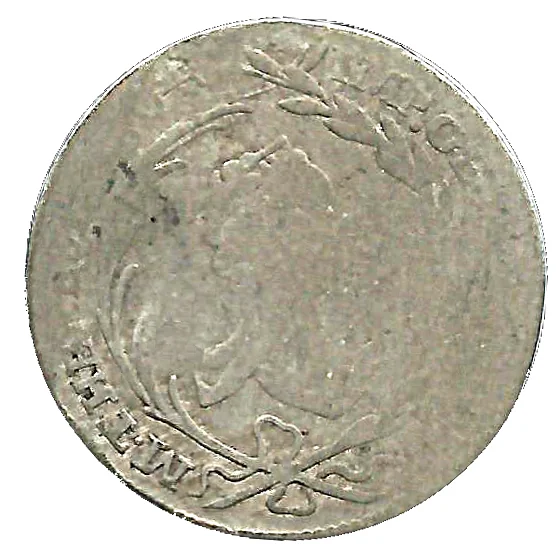
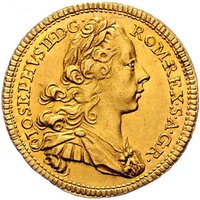
Description:
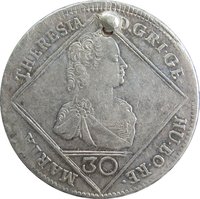
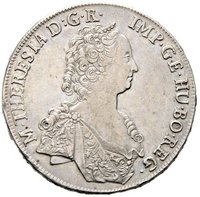
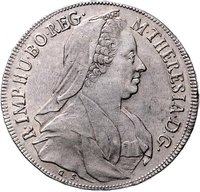
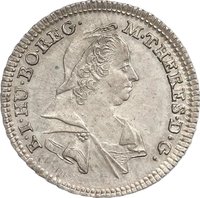
Crowned bust right in palm and laurel wreath, legend surrounding.
Inscription:
M.THERESIA.D.G.R.IMP.GE.HU.BO.REG.
Script: Latin
Reverse
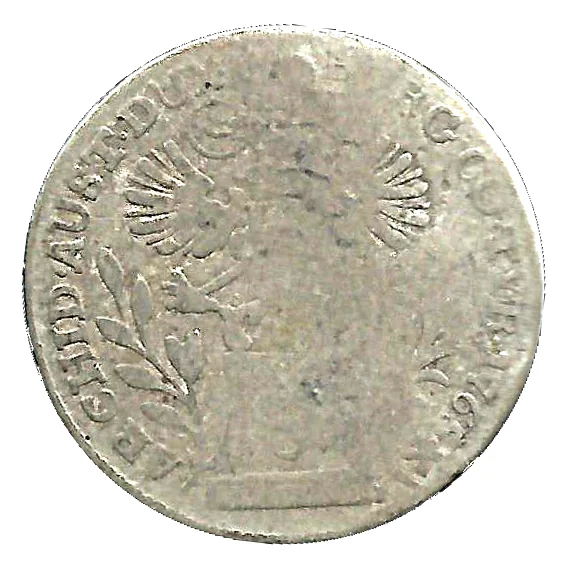
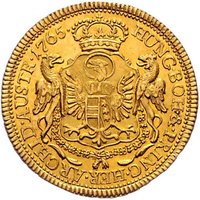
Description:
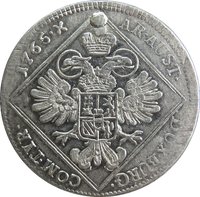
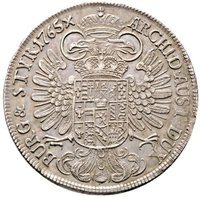
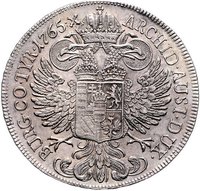
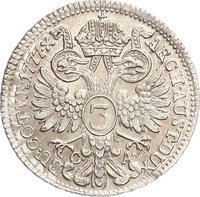
Imperial double-headed eagle with Tyrol arms on breast, atop pedestal enclosing value. Legend surrounds.
Inscription:
ARCHID·AUST·DUX·BURG·CO·TYR·1765X
5
5
Script: Latin
Edge
Mintings
| Year | Mint Mark | Mintage | Quality | Collection |
|---|---|---|---|---|
| 1765 | — | — |
Historical background
In 1765, the currency system of the Habsburg Monarchy, often referred to as the Austrian Empire, was a complex and fragmented patchwork that reflected the diverse and decentralized nature of the state itself. The primary unit was the Conventionsthaler (or Konventionstaler), established by the monetary convention of 1753 with Bavaria. This large silver coin, containing a defined amount of fine silver, was intended to provide a stable, common currency across the Habsburg lands. However, it circulated alongside a bewildering array of older regional and local coins, as well as vastly depreciated small change, creating a chaotic environment for commerce and state finance.
This monetary disarray was a direct legacy of the expensive War of the Austrian Succession (1740-1748) and the ongoing Seven Years' War (1756-1763), which had placed enormous fiscal strain on the treasury. To fund these conflicts, the state had repeatedly debased the coinage, particularly the ubiquitous small denomination Kreuzer coins made from debased silver or copper. The result was a severe loss of public trust in the currency, widespread counterfeiting, and a disconnect between the stable large-unit Conventionsthaler and the unstable everyday small change used by the common population.
Consequently, in 1765, the empire was in a transitional period, grappling with the post-war economic consequences. The government under Empress Maria Theresa and her co-regent Joseph II recognized the urgent need for monetary reform to stabilize the economy, facilitate tax collection, and promote internal trade. Efforts were underway to centralize minting operations and impose order, laying the groundwork for the more comprehensive reforms that would follow in the coming decades, but the immediate situation remained one of confusion and inflationary pressure for ordinary subjects.
This monetary disarray was a direct legacy of the expensive War of the Austrian Succession (1740-1748) and the ongoing Seven Years' War (1756-1763), which had placed enormous fiscal strain on the treasury. To fund these conflicts, the state had repeatedly debased the coinage, particularly the ubiquitous small denomination Kreuzer coins made from debased silver or copper. The result was a severe loss of public trust in the currency, widespread counterfeiting, and a disconnect between the stable large-unit Conventionsthaler and the unstable everyday small change used by the common population.
Consequently, in 1765, the empire was in a transitional period, grappling with the post-war economic consequences. The government under Empress Maria Theresa and her co-regent Joseph II recognized the urgent need for monetary reform to stabilize the economy, facilitate tax collection, and promote internal trade. Efforts were underway to centralize minting operations and impose order, laying the groundwork for the more comprehensive reforms that would follow in the coming decades, but the immediate situation remained one of confusion and inflationary pressure for ordinary subjects.
💎 Extremely Rare