

1 Öre SM – Sweden
Sweden

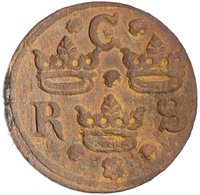
Obverse
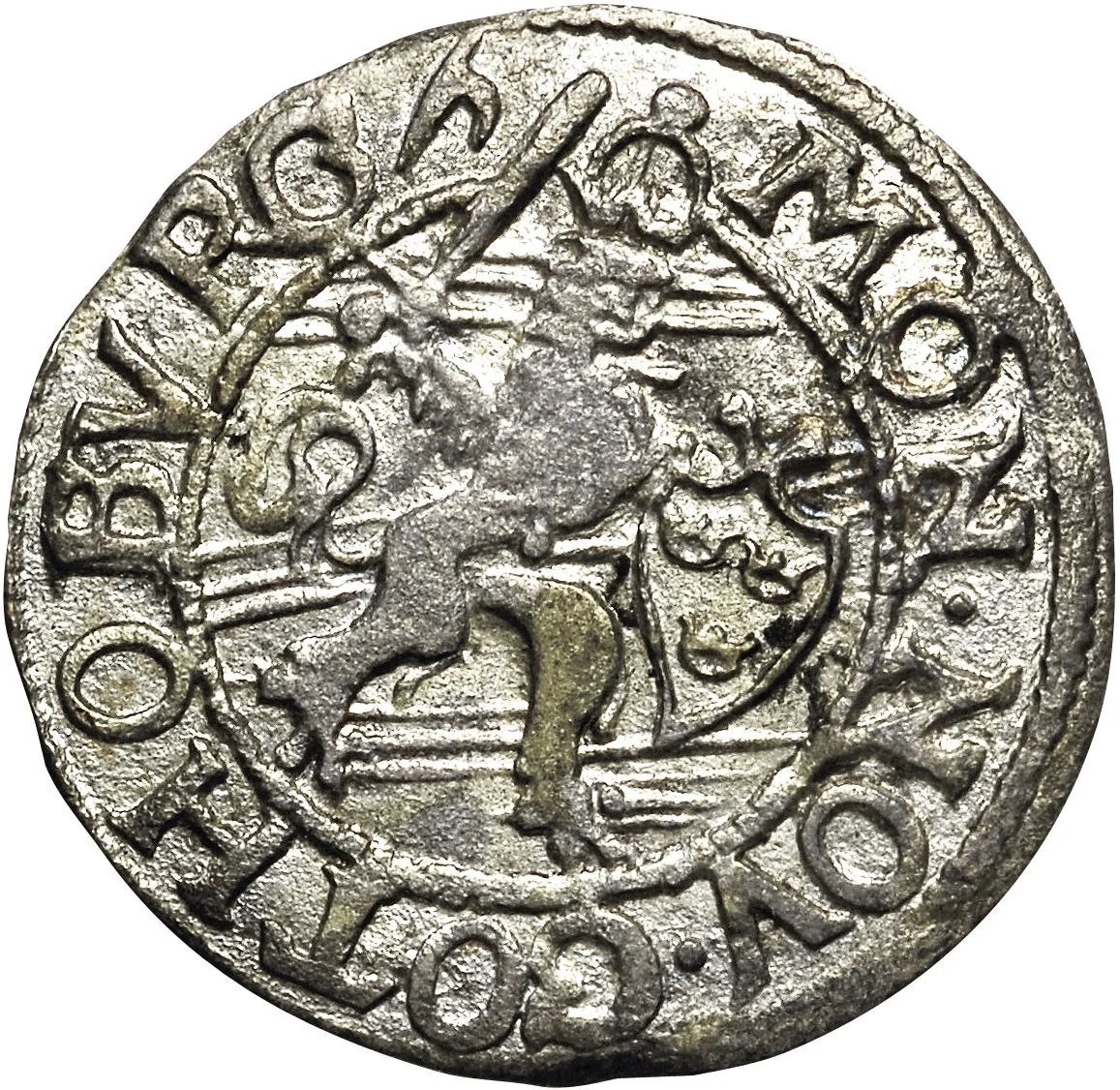
Description:
Rampant lion crowned, holding sword and shield.
Inscription:
MON.NOV.GOTHOBVRG
Script: Latin
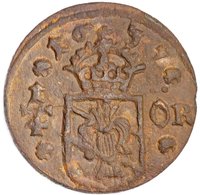
Reverse
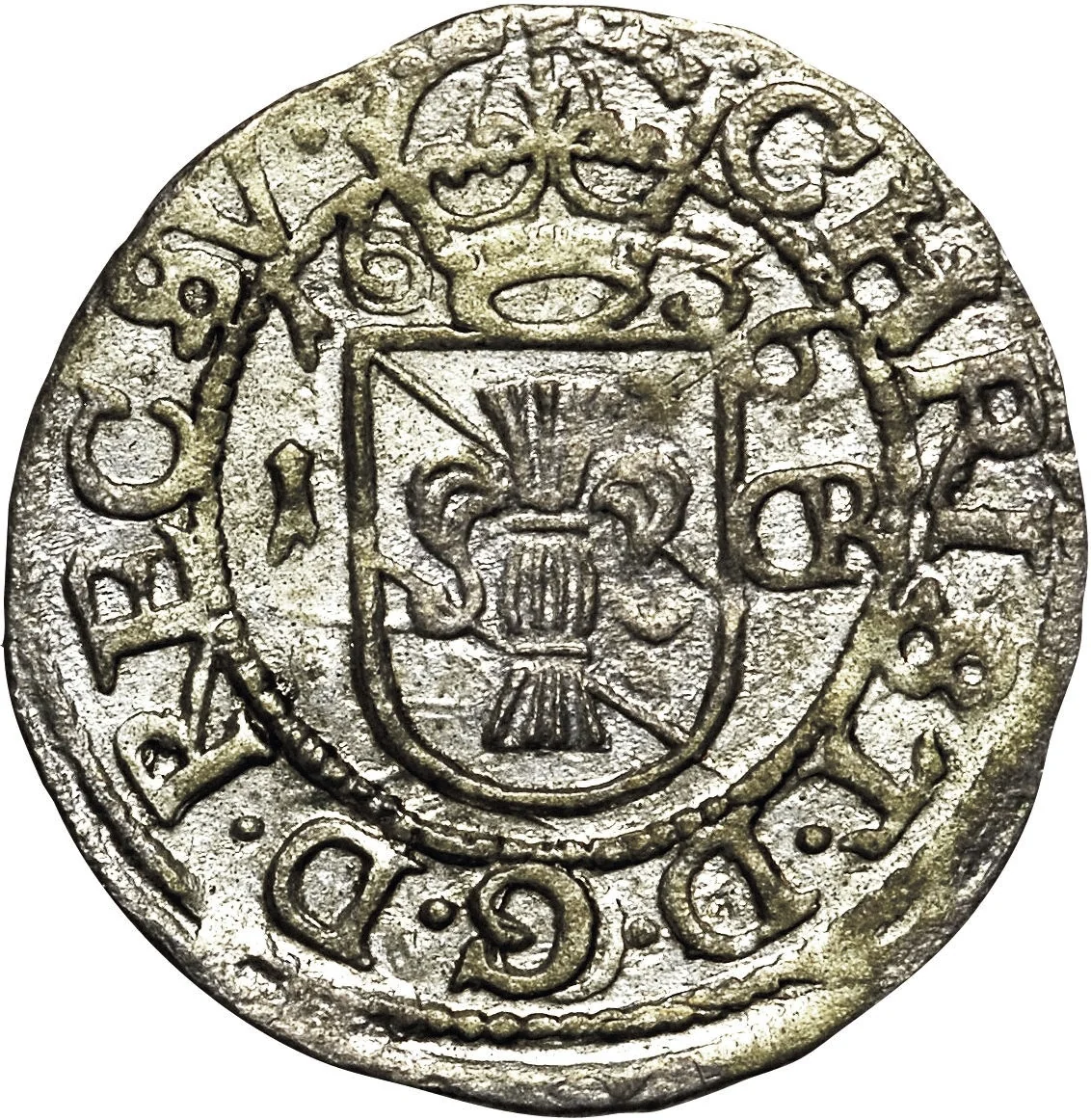
Description:
Crowned Vasa Arms in center circle, dividing value and date, with surrounding lettering.
Inscription:
CHRIST.D.G.D.REC.SV.
16 36
1 OR
16 36
1 OR
Script: Latin
Edge
Mints
| Name | Mark |
|---|---|
| Gothenburg | — |
Mintings
| Year | Mint Mark | Mintage | Quality | Collection |
|---|---|---|---|---|
| 1635 | — | — | ||
| 1636 | — | — |
Historical background
In 1635, Sweden was a major European power deeply embroiled in the Thirty Years' War. The immense cost of financing its large, modern army on foreign soil placed an extraordinary strain on the state treasury. To meet these expenses, the government, under Chancellor Axel Oxenstierna, resorted to aggressive monetary policies, primarily the heavy debasement of the Swedish copper currency. The state-owned Sala silvermine was depleted, making copper, mined in vast quantities at places like Falun, the backbone of the monetary system.
This period saw the operation of a unique and cumbersome bimetallic system. Sweden did not use small copper coins but massive copper plåtmynt (plate money), where each large, rectangular sheet of copper represented a high face value (like 10 daler). These plates could weigh several kilograms, making everyday transactions absurdly impractical. Alongside these, Sweden minted a silver-based currency, the riksdaler, for larger international and state transactions. The critical problem was that the government frequently altered the official exchange rate between the copper daler and the silver riksdaler, often devaluing the copper currency to create seigniorage profit to fund the war.
Consequently, the domestic economy suffered from severe inflation and monetary confusion. The artificially high valuation of heavy copper money discouraged foreign trade and created a complex dual-currency economy that was inefficient and prone to manipulation. The situation in 1635 was therefore one of a wartime economy leveraging its natural copper resources for fiscal survival, but at the cost of monetary stability, laying the groundwork for future financial reforms and the eventual establishment of Europe's first central bank, the Riksens Ständers Bank (the Bank of the Estates of the Realm), in 1668.
This period saw the operation of a unique and cumbersome bimetallic system. Sweden did not use small copper coins but massive copper plåtmynt (plate money), where each large, rectangular sheet of copper represented a high face value (like 10 daler). These plates could weigh several kilograms, making everyday transactions absurdly impractical. Alongside these, Sweden minted a silver-based currency, the riksdaler, for larger international and state transactions. The critical problem was that the government frequently altered the official exchange rate between the copper daler and the silver riksdaler, often devaluing the copper currency to create seigniorage profit to fund the war.
Consequently, the domestic economy suffered from severe inflation and monetary confusion. The artificially high valuation of heavy copper money discouraged foreign trade and created a complex dual-currency economy that was inefficient and prone to manipulation. The situation in 1635 was therefore one of a wartime economy leveraging its natural copper resources for fiscal survival, but at the cost of monetary stability, laying the groundwork for future financial reforms and the eventual establishment of Europe's first central bank, the Riksens Ständers Bank (the Bank of the Estates of the Realm), in 1668.
✨ Legendary