

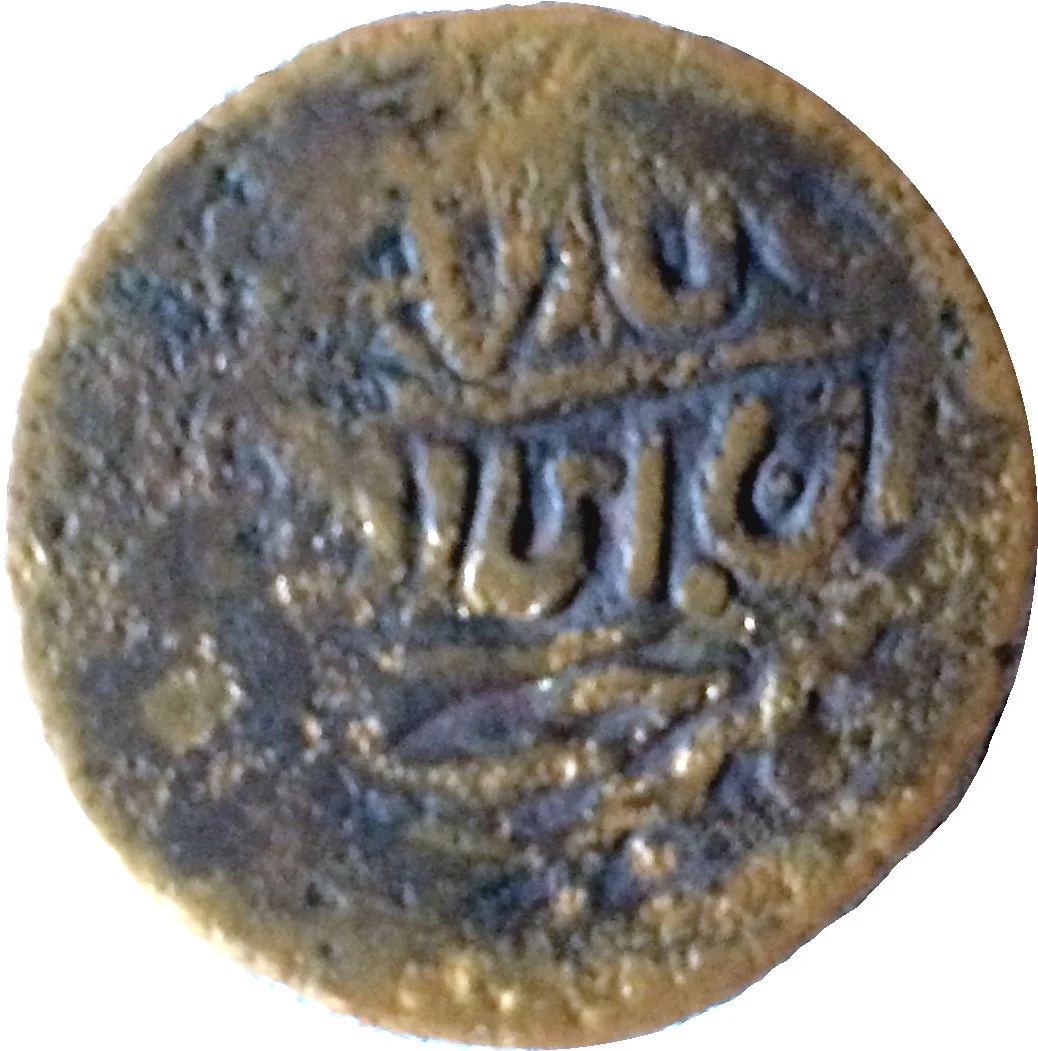
1 Paisa – Nepal
Nepal
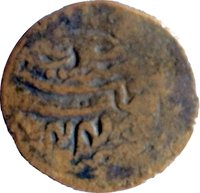
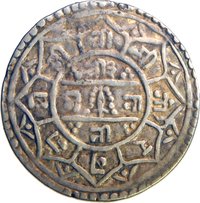
Obverse
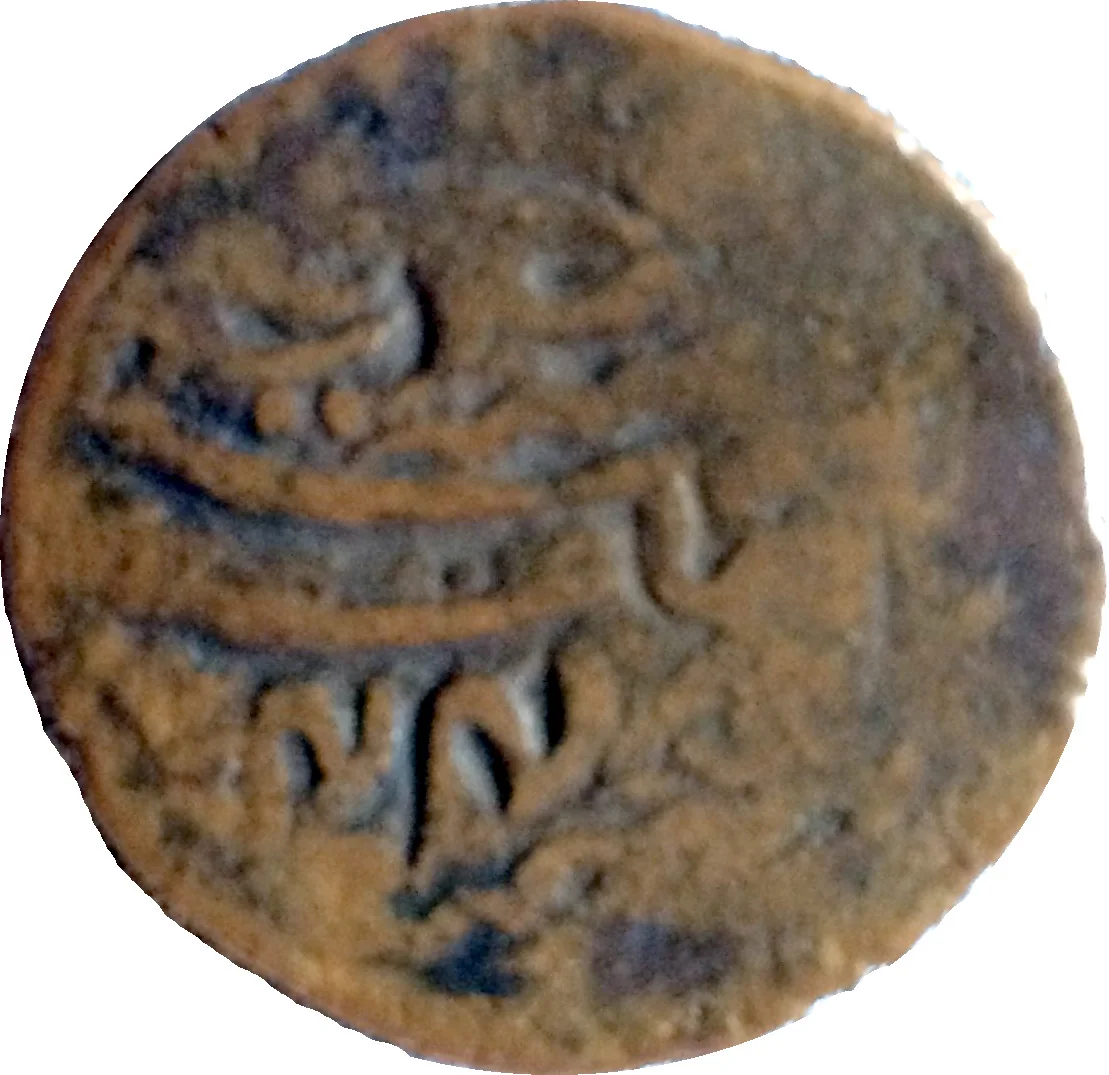
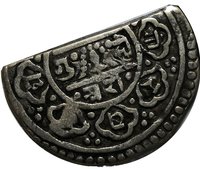
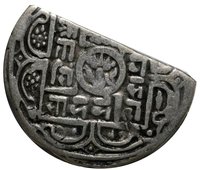
Reverse
Description:
Hyderabad Arabic date near bottom.
Edge
Plain
Mintings
| Year | Mint Mark | Mintage | Quality | Collection |
|---|---|---|---|---|
| 1777 | — | — | ||
| 1786 | — | — | ||
| 1787 | — | — | ||
| 1792 | — | — |
Historical background
In 1777, Nepal was not a unified nation but a collection of small, competing kingdoms, primarily the Gorkha Kingdom, the Kathmandu Valley kingdoms (Kathmandu, Patan, Bhaktapur), and numerous others. There was no single, standardized currency system across these territories. Each sovereign kingdom minted its own coins, primarily from silver, to facilitate trade, pay troops, and assert royal authority. The most prominent coins in circulation were the Mohar (or Mahendra Malli) from the Valley kingdoms and the Gorkhali Rupee introduced by King Prithvi Narayan Shah of Gorkha after his conquest of the Valley in 1768-69. These coins bore distinct symbols—the goddess Kali on Gorkhali coins and various deities and symbols like the lotus on Valley coins—making them easily identifiable by origin.
The monetary situation was complex and transitional due to Prithvi Narayan Shah's ongoing unification campaign. While he had captured the Kathmandu Valley, his expansion was far from complete, and older currencies remained in use alongside the new Gorkhali issues. Furthermore, significant trade with Tibet and British India meant that foreign currencies, particularly Tibetan Tangka silver coins and Indian rupees, also circulated freely, especially in border regions and for larger commercial transactions. This created a multi-currency environment where exchange rates and metal purity were constantly negotiated, posing challenges for internal trade and administration across the newly conquered but not yet integrated territories.
Economically, this period was defined by the state's need to fund continuous military expansion. Currency minting was a crucial sovereign right and a primary source of revenue through seigniorage. The silver for coins came from mines within the hills, trade with Tibet, and war plunder. The lack of standardization, however, reflected the political fragmentation that still existed. The year 1777 falls within a critical window where Prithvi Narayan Shah (who died in 1775) had laid the foundation for a unified state, but the complete monetary integration of Nepal would only be systematically achieved by his successors, particularly Prime Minister Bhimsen Thapa decades later, who would establish a more uniform national currency.
The monetary situation was complex and transitional due to Prithvi Narayan Shah's ongoing unification campaign. While he had captured the Kathmandu Valley, his expansion was far from complete, and older currencies remained in use alongside the new Gorkhali issues. Furthermore, significant trade with Tibet and British India meant that foreign currencies, particularly Tibetan Tangka silver coins and Indian rupees, also circulated freely, especially in border regions and for larger commercial transactions. This created a multi-currency environment where exchange rates and metal purity were constantly negotiated, posing challenges for internal trade and administration across the newly conquered but not yet integrated territories.
Economically, this period was defined by the state's need to fund continuous military expansion. Currency minting was a crucial sovereign right and a primary source of revenue through seigniorage. The silver for coins came from mines within the hills, trade with Tibet, and war plunder. The lack of standardization, however, reflected the political fragmentation that still existed. The year 1777 falls within a critical window where Prithvi Narayan Shah (who died in 1775) had laid the foundation for a unified state, but the complete monetary integration of Nepal would only be systematically achieved by his successors, particularly Prime Minister Bhimsen Thapa decades later, who would establish a more uniform national currency.
💎 Extremely Rare