

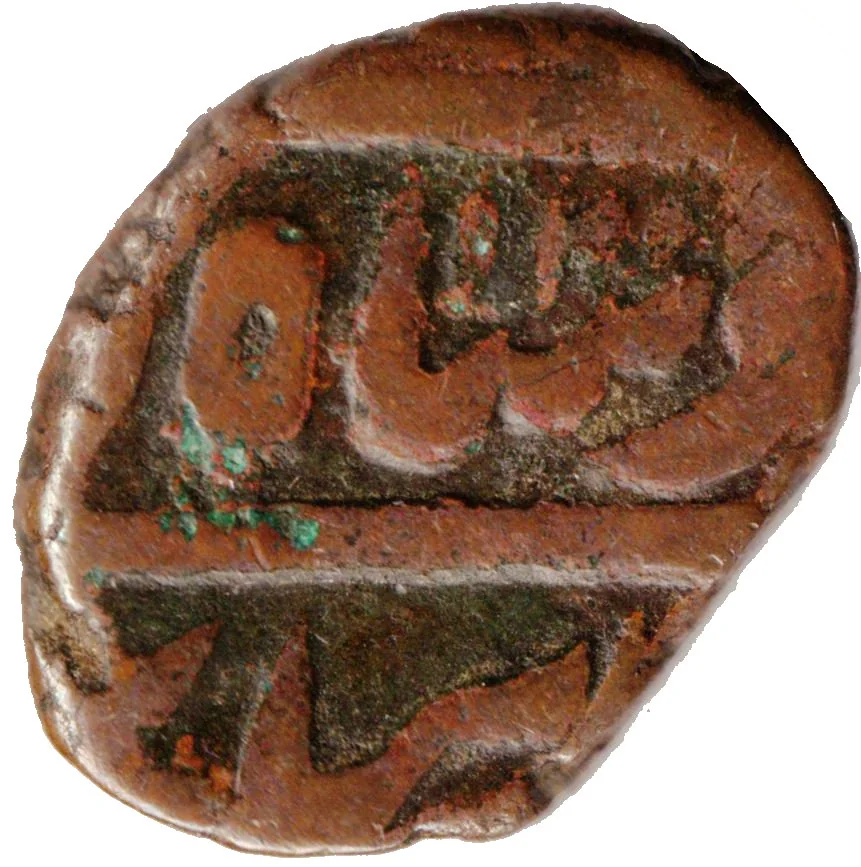
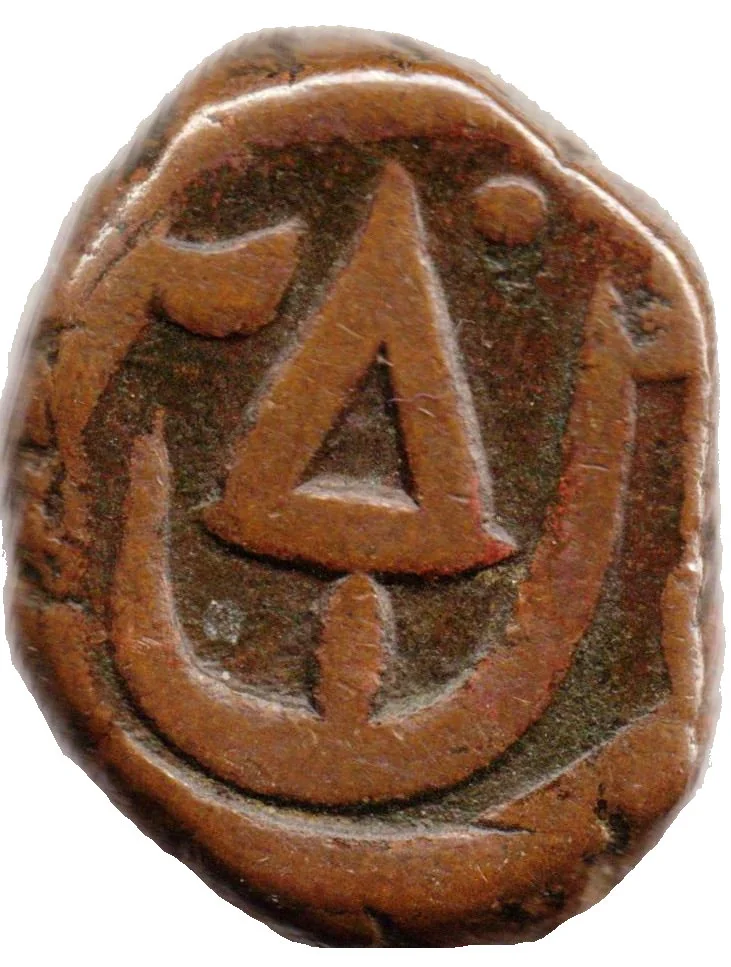
1 paisa – Mughal Empire
Add to wishlist
India
Context
Years: 1789–1803
Country: India
Issuer: Mughal Empire
Ruler: Shah Alam II
Currency:
(1540—1842)
Demonetized: Yes
Material
Diameter: 20.36 mm
Weight: 7.76 g
Thickness: 4.06 mm
Shape: Irregular round
Composition: Copper
Standard: Silver quarter ounce
Magnetic: No
Alignment: Coin alignment
flip
References
KM: #
Numista: #67042
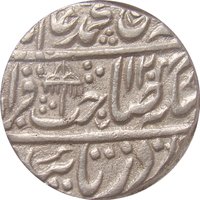
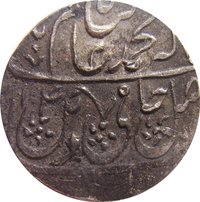
Obverse
Description:
Date and text
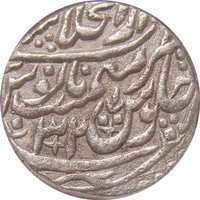
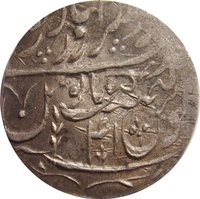
Reverse
Description:
Lead the charge
Edge
Plain
Mintings
| Year | Mint Mark | Mintage | Quality | Collection |
|---|---|---|---|---|
| 1789 | — | — | ||
| 1792 | — | — | ||
| 1798 | — | — | ||
| 1799 | — | — | ||
| 1803 | — | — |
Historical background
By 1789, the Mughal Empire's currency system was in a state of severe strain and fragmentation, reflecting the empire's broader political decline. While the emperor in Delhi still nominally issued gold mohurs, silver rupees, and copper dams, his direct authority had shrunk to a small territory around the capital. The standard imperial rupee, the "Sicca", minted in Delhi, competed with a plethora of regional variants. Powerful successor states like the Maratha Confederacy, Awadh, Bengal, and Hyderabad now operated their own mints, issuing rupees of slightly different weight, purity, and design (such as the Benares rupee or the Hyderabadi rupee), which created a complex and inefficient monetary landscape for trade.
The period was marked by chronic currency debasement. Facing relentless military expenses and shrinking revenue bases, both the Mughal court and regional rulers frequently reduced the silver content in their coins or increased the seigniorage tax at the mint. This led to a loss of public confidence, with merchants and money-changers (sarrafs) carefully assessing and discounting coins based on their perceived intrinsic value and place of origin. Widespread clipping and counterfeiting of coins further eroded trust in the monetary system, disrupting commerce and revenue collection.
Concurrently, foreign currencies were beginning to make significant inroads. The most prominent was the Spanish silver dollar (the "Piece of Eight"), which entered through extensive trade with the British East India Company and other European entities. Valued for its consistent high silver content, it circulated widely in port cities like Calcutta and Madras. The British, having established territorial control in Bengal after the Battle of Plassey (1757), were increasingly using their own Company Rupee, minted in Calcutta, for revenue and trade. This foreshadowed the eventual displacement of Mughal currency, as the Company's political and economic power grew, setting the stage for a standardized colonial monetary system in the nineteenth century.
The period was marked by chronic currency debasement. Facing relentless military expenses and shrinking revenue bases, both the Mughal court and regional rulers frequently reduced the silver content in their coins or increased the seigniorage tax at the mint. This led to a loss of public confidence, with merchants and money-changers (sarrafs) carefully assessing and discounting coins based on their perceived intrinsic value and place of origin. Widespread clipping and counterfeiting of coins further eroded trust in the monetary system, disrupting commerce and revenue collection.
Concurrently, foreign currencies were beginning to make significant inroads. The most prominent was the Spanish silver dollar (the "Piece of Eight"), which entered through extensive trade with the British East India Company and other European entities. Valued for its consistent high silver content, it circulated widely in port cities like Calcutta and Madras. The British, having established territorial control in Bengal after the Battle of Plassey (1757), were increasingly using their own Company Rupee, minted in Calcutta, for revenue and trade. This foreshadowed the eventual displacement of Mughal currency, as the Company's political and economic power grew, setting the stage for a standardized colonial monetary system in the nineteenth century.
✨ Legendary