

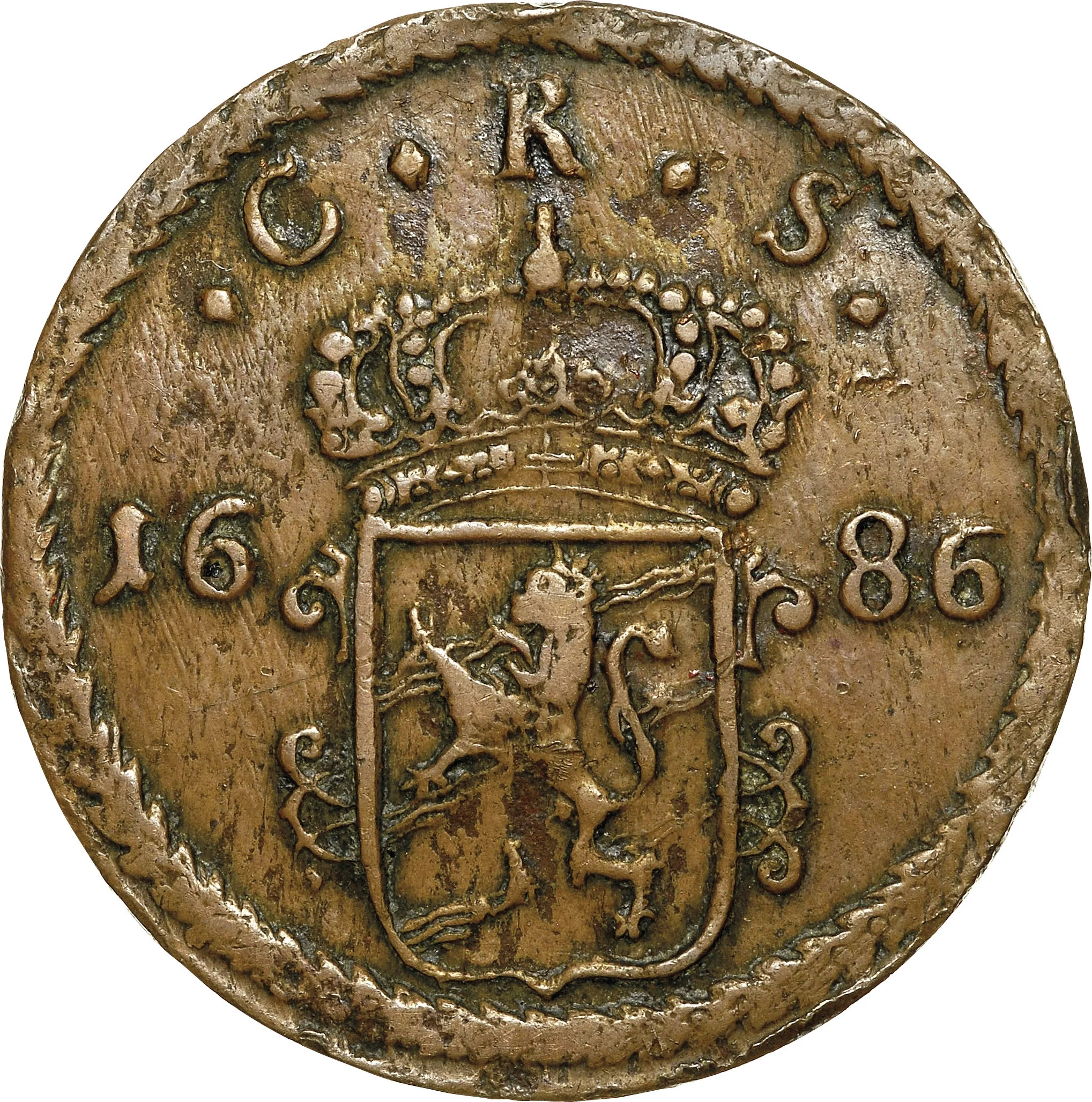
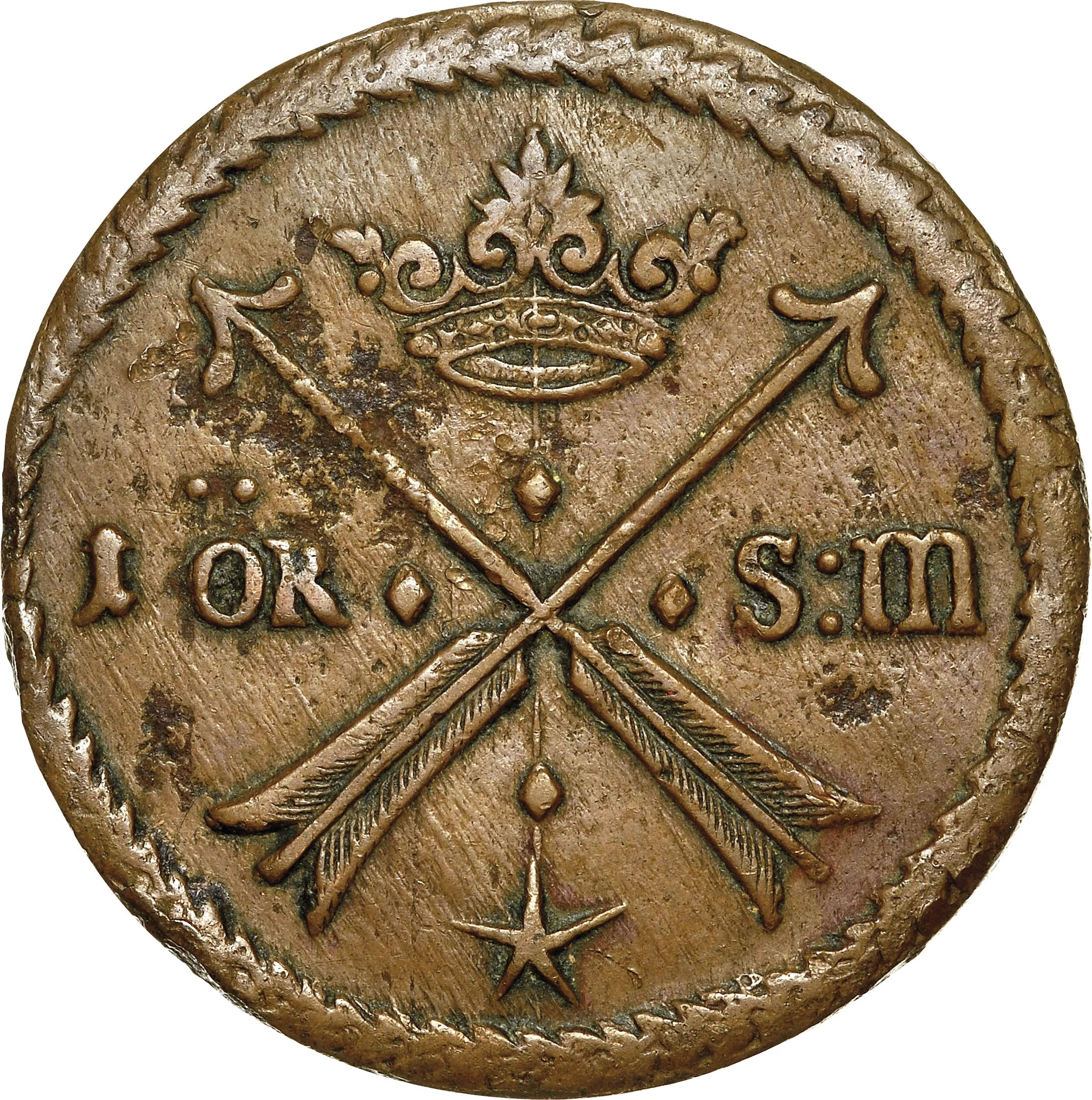
1 öre silvermynt – Sweden
Add to wishlist
Sweden
Context
Years: 1683–1686
Issuer: Sweden
Ruler: Charles XI
Currency:
(1665—1715)
Demonetized: Yes
Total mintage: 1,742,144
References
KM: #
Numista: #64171
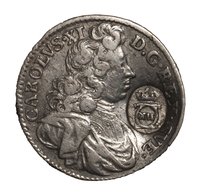
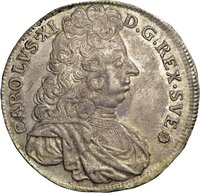
Obverse
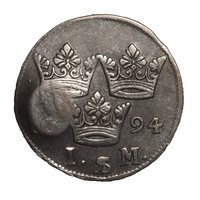
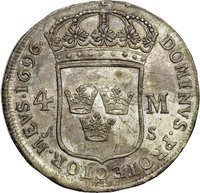
Reverse
Edge
Mintings
| Year | Mint Mark | Mintage | Quality | Collection |
|---|---|---|---|---|
| 1683 | — | 336,000 | ||
| 1684 | — | 277,184 | ||
| 1685 | — | 551,040 | ||
| 1686 | — | 577,920 |
Historical background
In 1683, Sweden was navigating a complex and challenging currency situation, a legacy of its period as a European great power under King Gustavus Adolphus and Queen Christina. To finance its extensive military campaigns during the Thirty Years' War and subsequent conflicts, the kingdom had heavily debased its coinage, notably the silver daler. By reducing the silver content in coins while maintaining their face value, the Crown created short-term revenue but triggered severe inflation and a loss of confidence in the currency. This resulted in a chaotic monetary system where older, purer coins were hoarded or exported, while the newer, inferior coins flooded the market, disrupting trade and state finances.
Recognizing the crisis, a major monetary reform was enacted in 1681, spearheaded by the powerful Lord High Treasurer Johan Gyllenstierna and formally established through the myntplacat (mint ordinance) of 1683. This reform aimed to stabilize the economy by introducing a new, standardized silver coinage based on the Carolin (or kronor) as the unit of account, replacing the old daler. The state recalled the debased coins and re-minted them at a higher and fixed silver standard, effectively restoring the intrinsic value of the currency and aiming to rebuild public trust.
The reform of 1683 was a significant step toward modernizing Sweden's finances and establishing a more reliable monetary system. However, its success was partial and faced immediate pressures. The recoinage was costly for the state, and the underlying economic strains of maintaining a large military and a reduced empire persisted. Furthermore, the scarcity of high-value silver coins in everyday circulation meant that copper plate money—massive, cumbersome sheets of copper used as currency—remained a dominant feature of the Swedish economy, illustrating that the currency situation, while stabilized, was not fully resolved.
Recognizing the crisis, a major monetary reform was enacted in 1681, spearheaded by the powerful Lord High Treasurer Johan Gyllenstierna and formally established through the myntplacat (mint ordinance) of 1683. This reform aimed to stabilize the economy by introducing a new, standardized silver coinage based on the Carolin (or kronor) as the unit of account, replacing the old daler. The state recalled the debased coins and re-minted them at a higher and fixed silver standard, effectively restoring the intrinsic value of the currency and aiming to rebuild public trust.
The reform of 1683 was a significant step toward modernizing Sweden's finances and establishing a more reliable monetary system. However, its success was partial and faced immediate pressures. The recoinage was costly for the state, and the underlying economic strains of maintaining a large military and a reduced empire persisted. Furthermore, the scarcity of high-value silver coins in everyday circulation meant that copper plate money—massive, cumbersome sheets of copper used as currency—remained a dominant feature of the Swedish economy, illustrating that the currency situation, while stabilized, was not fully resolved.

💎 Extremely Rare