

100 Dinars – Iran
Iran
Context
Material
Weight: 3.39 g
Silver weight: 3.39 g
Shape: Irregular rectangular
Composition: Silver
Magnetic: No
Technique: Hammered
Alignment: Coin alignment
flip
References
KM: #Click to copy to clipboard275.1
Numista: #64011
Value
Bullion value: $9.80
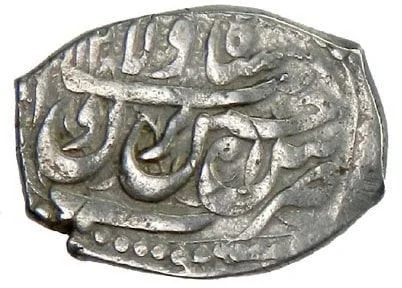
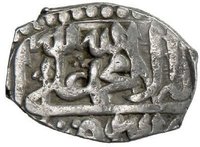
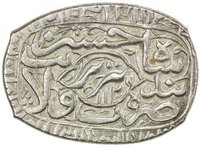
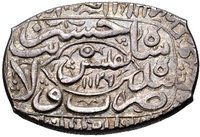
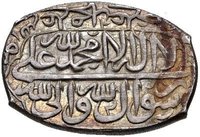
Obverse
Description:
Royal mint inscription with date.
Inscription:
بنده شاه ولایت حسین
ضرب ایروان
۱۱۲۸
ضرب ایروان
۱۱۲۸
Script: Persian
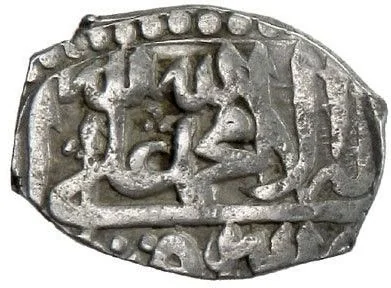
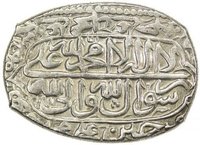
Reverse
Inscription:
لا اله الا الله
محمد رسول الله
علی ولی الله
محمد رسول الله
علی ولی الله
Script: Persian
Edge
Plain
Mints
| Name | Mark |
|---|---|
| Revan | — |
Mintings
| Year | Mint Mark | Mintage | Quality | Collection |
|---|---|---|---|---|
| 1716 | — | — | ||
| 1716 | — | — | ||
| 1717 | — | — |
Historical background
In 1716, Iran's currency system was under severe strain, a direct consequence of the political and military turmoil that had engulfed the Safavid Empire in its final decades. The reign of Sultan Husayn (1694-1722) was marked by weak central authority, provincial revolts, and a dramatic decline in the security of trade routes. This instability critically disrupted the silver and copper mining that was the lifeblood of the Safavid monetary system, leading to acute shortages of precious metals needed for minting coins. Furthermore, rampant corruption and inefficiency within the royal administration led to frequent debasement of the coinage, as the state sought to cover its deficits by reducing the silver content in its primary silver coin, the abbasi.
The monetary landscape was complex and fragmented. The standard unit was the silver abbasi, but its value in practice was unstable and often differed from its official rate. Alongside it circulated a plethora of other coins: the gold toman (a money of account worth 50 abbasis), the copper shahi, and various older or foreign coins, particularly Ottoman and Mughal issues, which entered through trade and war. The lack of standardized, trusted currency hampered commerce, as merchants and officials had to constantly negotiate exchange rates and assess the true metal content of each coin, a process known as "assay." This uncertainty stifled both domestic trade and the vital international commerce in silk and other goods.
This deteriorating currency situation was a key symptom of the Safavid state's broader collapse. The inability to maintain a sound monetary system eroded public trust, weakened the economic foundations of the empire, and exacerbated social discontent. Within just six years of 1716, these pressures would culminate in the catastrophic Afghan invasion (1722), which would sack Isfahan and effectively end Safavid rule, plunging Iran into decades of further monetary chaos and political fragmentation as various factions minted their own unstable currencies.
The monetary landscape was complex and fragmented. The standard unit was the silver abbasi, but its value in practice was unstable and often differed from its official rate. Alongside it circulated a plethora of other coins: the gold toman (a money of account worth 50 abbasis), the copper shahi, and various older or foreign coins, particularly Ottoman and Mughal issues, which entered through trade and war. The lack of standardized, trusted currency hampered commerce, as merchants and officials had to constantly negotiate exchange rates and assess the true metal content of each coin, a process known as "assay." This uncertainty stifled both domestic trade and the vital international commerce in silk and other goods.
This deteriorating currency situation was a key symptom of the Safavid state's broader collapse. The inability to maintain a sound monetary system eroded public trust, weakened the economic foundations of the empire, and exacerbated social discontent. Within just six years of 1716, these pressures would culminate in the catastrophic Afghan invasion (1722), which would sack Isfahan and effectively end Safavid rule, plunging Iran into decades of further monetary chaos and political fragmentation as various factions minted their own unstable currencies.
✨ Legendary