

Iran
Context
Material
Diameter: 22.3 mm
Weight: 3.41 g
Gold weight: 3.41 g
Shape: Irregular round
Composition: Gold
Magnetic: No
References
KM: #Click to copy to clipboard287.1
Numista: #61781
Value
Bullion value: $568.06
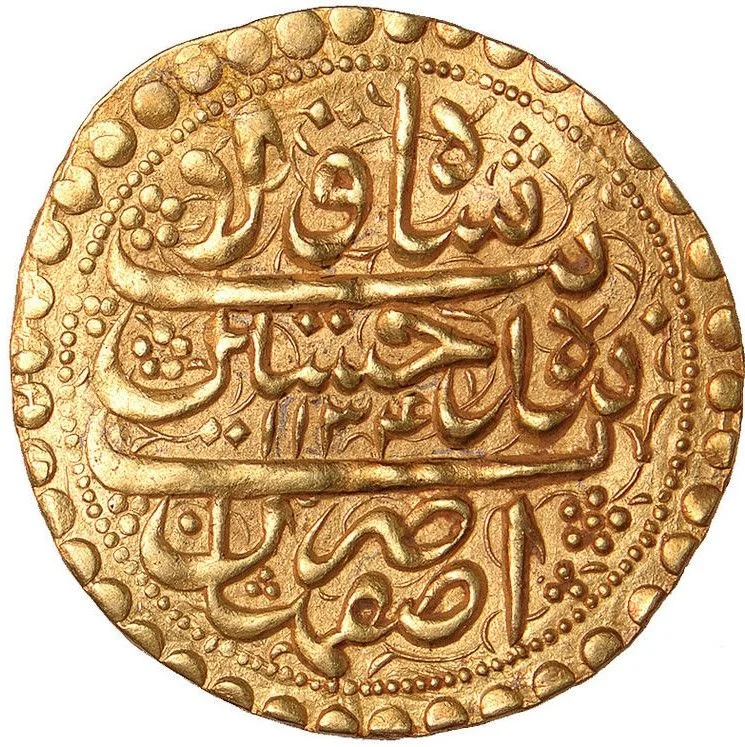
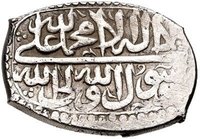
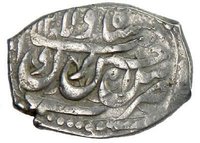
Obverse
Description:
Isfahan mint.
Inscription:
بنده شاه ولایت حسین
ضرب اصفهان
۱۱۳۴
ضرب اصفهان
۱۱۳۴
Script: Persian (nastaliq)
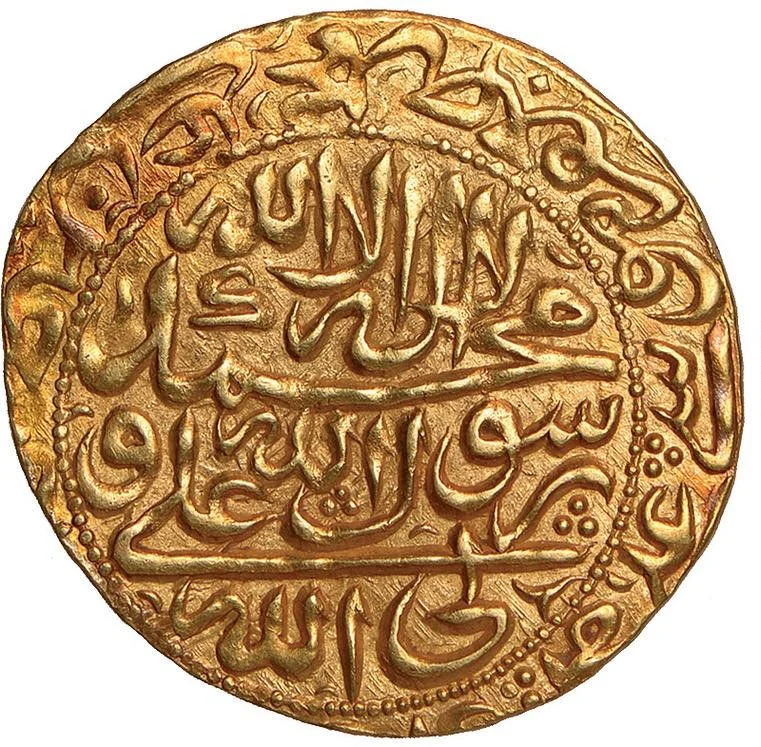
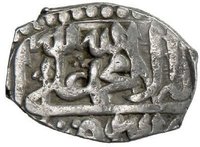
Reverse
Description:
Three-line inscription encircled by a circular legend.
Inscription:
لا اله الا الله
محمد رسول الله
علی ولی الله
علی حسن حسین علی محمد جعفر موسی علی محمد علی حسن محمد
محمد رسول الله
علی ولی الله
علی حسن حسین علی محمد جعفر موسی علی محمد علی حسن محمد
Script: Persian (nastaliq)
Edge
Plain
Mints
| Name | Mark |
|---|---|
| Isfahan | — |
Mintings
| Year | Mint Mark | Mintage | Quality | Collection |
|---|---|---|---|---|
| 1715 | — | — | ||
| 1715 | — | — | ||
| 1716 | — | — | ||
| 1717 | — | — | ||
| 1718 | — | — | ||
| 1721 | — | — | ||
| 1722 | — | — |
Historical background
In 1715, Iran was under the rule of the Safavid dynasty, specifically during the latter years of Shah Sultan Husayn's reign (1694–1722). The empire's currency system was based on the silver ʿabbāsi (worth 200 dinars or 4 shahis) and the gold toman (a money of account equal to 10,000 dinars or 50 ʿabbāsis). However, the state's fiscal health was in severe decline due to decades of royal extravagance, administrative corruption, and the rising influence of the Shi'a clergy, which controlled vast tax-exempt religious endowments (waqf). This drained the treasury and reduced the silver and gold reserves necessary for maintaining a stable coinage.
The currency situation was further destabilized by a critical shortage of precious metals. Iran's mines were poorly managed, and a significant trade imbalance—particularly with the Dutch and English East India Companies—saw silver flowing out of the country in exchange for imported goods. This scarcity led to widespread debasement of the coinage, where the silver content of coins like the ʿabbāsi was reduced, and copper fulus were increasingly minted to facilitate small-scale trade. Consequently, the value of money became unreliable, prices fluctuated, and public trust in the currency eroded, harming merchants and the broader economy.
This monetary instability was a symptom of the Safavid Empire's profound structural weaknesses on the eve of its collapse. Just seven years after 1715, the weakened state would prove unable to defend itself, culminating in the Afghan invasion and the fall of Isfahan in 1722. The currency crisis of 1715 thus reflected not merely an economic problem, but the broader political and administrative decay that ultimately led to the dynasty's downfall and a period of severe monetary fragmentation and chaos in the decades that followed.
The currency situation was further destabilized by a critical shortage of precious metals. Iran's mines were poorly managed, and a significant trade imbalance—particularly with the Dutch and English East India Companies—saw silver flowing out of the country in exchange for imported goods. This scarcity led to widespread debasement of the coinage, where the silver content of coins like the ʿabbāsi was reduced, and copper fulus were increasingly minted to facilitate small-scale trade. Consequently, the value of money became unreliable, prices fluctuated, and public trust in the currency eroded, harming merchants and the broader economy.
This monetary instability was a symptom of the Safavid Empire's profound structural weaknesses on the eve of its collapse. Just seven years after 1715, the weakened state would prove unable to defend itself, culminating in the Afghan invasion and the fall of Isfahan in 1722. The currency crisis of 1715 thus reflected not merely an economic problem, but the broader political and administrative decay that ultimately led to the dynasty's downfall and a period of severe monetary fragmentation and chaos in the decades that followed.
✨ Legendary