

250 dinars – Iran
Add to wishlist
Iran
Context
Year: 1703
Islamic (Hijri) Year:: 1114
Issuer: Iran
Ruler: Sultan Husayn I
Currency:
(1501—1798)
Demonetization: 1722
Material
Weight: 9.11 g
Silver Weight:: 9.11 g
Shape: Irregular round
Composition: Silver
Magnetic: No
Technique: Hammered
Alignment: Coin alignment
flip
References
KM: #
Numista: #64007
Value
Bullion value: $23.19
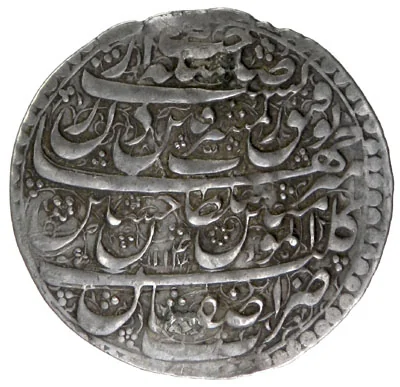
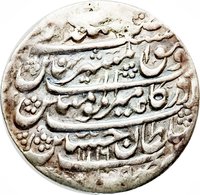
Obverse
Inscription:
گشت صاحب سکه از توفیق رب المشرقین
در جهان کلب امیرالمومنین سلطان حسین
ضرب اصفهان
۱۱۱۴
در جهان کلب امیرالمومنین سلطان حسین
ضرب اصفهان
۱۱۱۴
Script: Persian
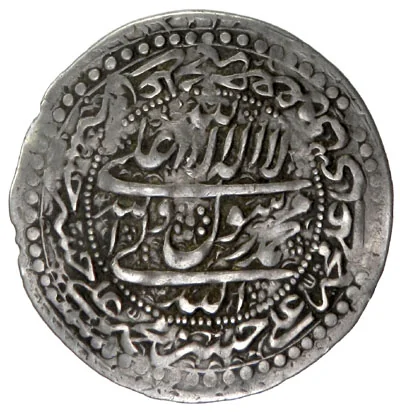
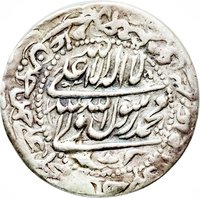
Reverse
Inscription:
لا اله الا الله
محمد رسول الله
علی ولی الله
علی حسن حسین علی محمّد جعفر موسی علی محمّد علی حسن محمّد
محمد رسول الله
علی ولی الله
علی حسن حسین علی محمّد جعفر موسی علی محمّد علی حسن محمّد
Script: Persian
Edge
Plain
Mints
| Name | Mark |
|---|---|
| Isfahan | — |
Mintings
| Year | Mint Mark | Mintage | Quality | Collection |
|---|---|---|---|---|
| 1703 | — | — |
Historical background
In 1703, Iran was under the rule of the Safavid dynasty, specifically during the latter part of the reign of Sultan Husayn (1694–1722). The currency situation was complex and increasingly unstable, reflecting the broader economic and political decline that would culminate in the dynasty's collapse. The primary unit was the silver abbasi (worth 200 dinars), alongside the shahi (50 dinars) and the gold toman (a money of account worth 10,000 dinars or 50 abbasi). Coins were minted in various cities, leading to inconsistencies in weight and purity, which complicated trade and taxation.
The period was marked by a critical shortage of silver, a problem plaguing the entire Safavid Empire in the late 17th and early 18th centuries. This scarcity was caused by a combination of factors: a negative balance of trade that drained bullion to pay for imports, particularly from the Dutch and English East India Companies; inefficient state mines; and the hoarding of precious metals by a nervous populace and elite. Consequently, the government increasingly resorted to debasement—reducing the silver content in coins—to stretch its metal reserves and meet fiscal obligations, eroding public trust in the currency.
This monetary instability exacerbated and was exacerbated by weak central administration, rampant corruption, and the rising power of Shi'a clerical institutions that amassed independent wealth. The debased and unreliable coinage disrupted markets, increased inflation for basic goods, and strained the traditional tiyul (land-grant) system used to pay soldiers and officials. Thus, the currency crisis of 1703 was not an isolated issue but a symptomatic fracture in the Safavid economic structure, contributing directly to the internal vulnerability that would allow the Afghan Hotaki invasion to succeed just over two decades later.
The period was marked by a critical shortage of silver, a problem plaguing the entire Safavid Empire in the late 17th and early 18th centuries. This scarcity was caused by a combination of factors: a negative balance of trade that drained bullion to pay for imports, particularly from the Dutch and English East India Companies; inefficient state mines; and the hoarding of precious metals by a nervous populace and elite. Consequently, the government increasingly resorted to debasement—reducing the silver content in coins—to stretch its metal reserves and meet fiscal obligations, eroding public trust in the currency.
This monetary instability exacerbated and was exacerbated by weak central administration, rampant corruption, and the rising power of Shi'a clerical institutions that amassed independent wealth. The debased and unreliable coinage disrupted markets, increased inflation for basic goods, and strained the traditional tiyul (land-grant) system used to pay soldiers and officials. Thus, the currency crisis of 1703 was not an isolated issue but a symptomatic fracture in the Safavid economic structure, contributing directly to the internal vulnerability that would allow the Afghan Hotaki invasion to succeed just over two decades later.
✨ Legendary