

Iran
Context
Year: 1705
Islamic (Hijri) Year: 1117
Issuer: Iran 
Ruler: Sultan Husayn I
Currency:
(1501—1798)
Demonetized: Yes
Material
Weight: 3.41 g
Gold weight: 3.41 g
Shape: Irregular round
Composition: Gold
Magnetic: No
Technique: Hammered
References
KM: #Click to copy to clipboard287
Numista: #412625
Value
Bullion value: $569.59
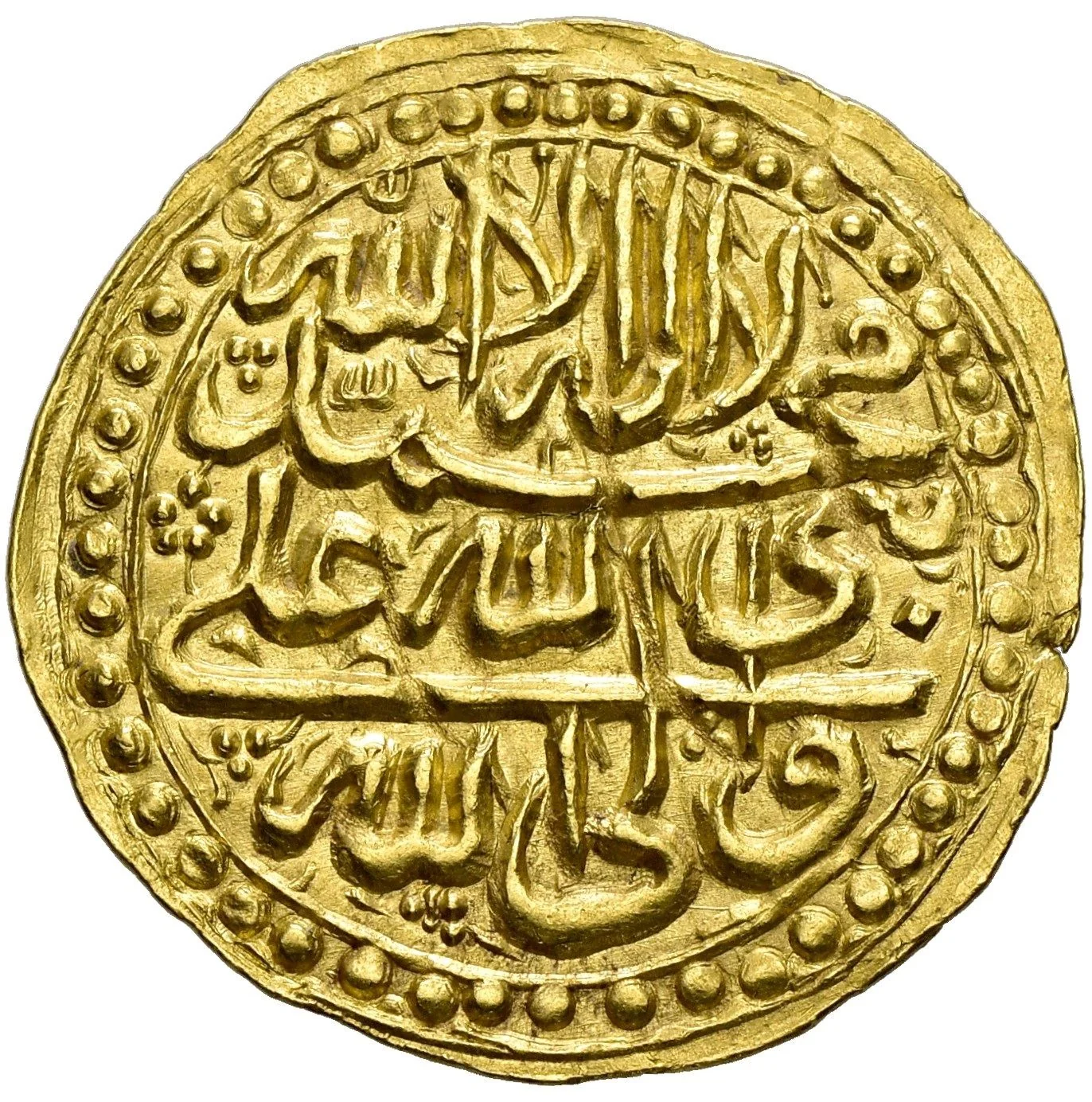
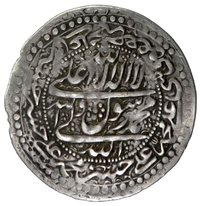
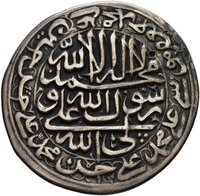
Obverse
Inscription:
لا اله الا الله
محمد نبی الله
علی ولی الله
محمد نبی الله
علی ولی الله
Script: Arabic (thuluth)
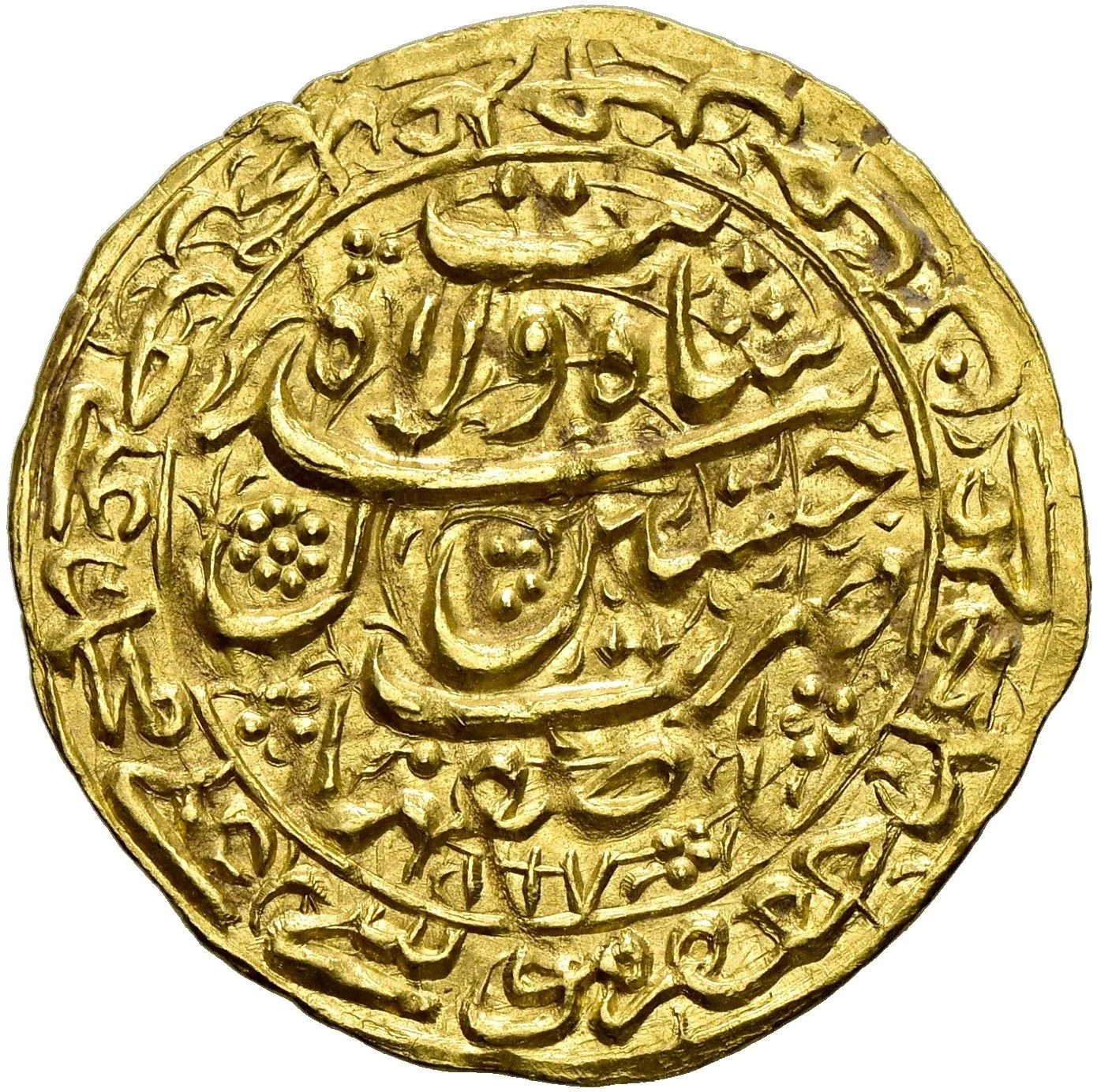
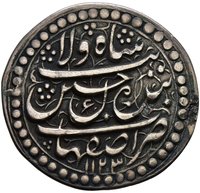
Reverse
Inscription:
بنده شاه ولایت حسین
ضرب اصفهان
۱۱۱۷
ضرب اصفهان
۱۱۱۷
Script: Persian (nastaliq)
Edge
Plain
Mints
| Name | Mark |
|---|---|
| Isfahan | اصفهان |
Mintings
| Year | Mint Mark | Mintage | Quality | Collection |
|---|---|---|---|---|
| 1705 | — | — |
Historical background
In 1705, Iran’s currency system was in a state of significant strain and transition, reflecting the broader political and economic instability of the late Safavid era. The primary circulating coins were silver abbasi and copper pul, with their value intrinsically tied to their metal content. However, the reign of Shah Sultan Husayn (1694–1722) was marked by weak central authority, rampant corruption at the royal court, and excessive spending on religious endowments and lavish projects. This fiscal irresponsibility led to severe debasement of the coinage, as the treasury sought to increase revenue by reducing the silver content in coins, thereby eroding public trust and causing price inflation, particularly in basic goods.
The situation was exacerbated by a sharp decline in Iran’s crucial silk trade revenues due to competition from Bengal and a loss of European market share. Furthermore, the royal monopoly on trade and the increasing power of Shi’a clergy, who amassed tax-exempt land holdings, strangled the agrarian and commercial tax base. This created a vicious cycle where the state, unable to cover its expenses through sustainable taxation, resorted further to currency manipulation. The result was a fragmented monetary system where the actual value of coins could vary wildly by region, and older, purer coins were often hoarded, removing sound money from circulation.
Consequently, by 1705, the Iranian economy was underpinned by a weakened and unreliable currency, which sowed discontent among soldiers, merchants, and the peasantry. This internal economic decay was a critical, though often overlooked, factor that preceded the catastrophic external invasions that would define the coming decades. The crumbling monetary system was both a symptom and a cause of the Safavid decline, leaving the empire financially ill-prepared for the Afghan rebellions and invasions that would begin just a few years later, culminating in the fall of Isfahan in 1722.
The situation was exacerbated by a sharp decline in Iran’s crucial silk trade revenues due to competition from Bengal and a loss of European market share. Furthermore, the royal monopoly on trade and the increasing power of Shi’a clergy, who amassed tax-exempt land holdings, strangled the agrarian and commercial tax base. This created a vicious cycle where the state, unable to cover its expenses through sustainable taxation, resorted further to currency manipulation. The result was a fragmented monetary system where the actual value of coins could vary wildly by region, and older, purer coins were often hoarded, removing sound money from circulation.
Consequently, by 1705, the Iranian economy was underpinned by a weakened and unreliable currency, which sowed discontent among soldiers, merchants, and the peasantry. This internal economic decay was a critical, though often overlooked, factor that preceded the catastrophic external invasions that would define the coming decades. The crumbling monetary system was both a symptom and a cause of the Safavid decline, leaving the empire financially ill-prepared for the Afghan rebellions and invasions that would begin just a few years later, culminating in the fall of Isfahan in 1722.
✨ Legendary