

Iran
Context

Material
Weight: 1.89 g
Silver weight: 1.89 g
Shape: Irregular round
Composition: Silver
Magnetic: No
Technique: Hammered
Alignment: Coin alignment
flip
References
KM: #Click to copy to clipboard132.5
Numista: #63945
Value
Bullion value: $5.47
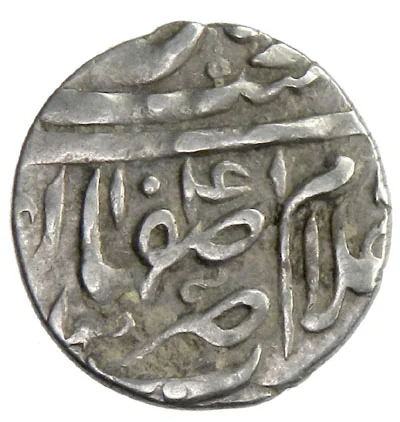
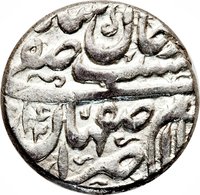
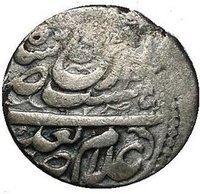
Obverse
Inscription:
هست از جان غلام شاه صفی
۱۰۴۱
ضرب اصفهان
۱۰۴۱
ضرب اصفهان
Script: Persian
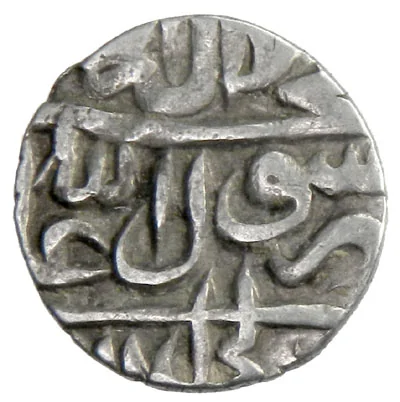
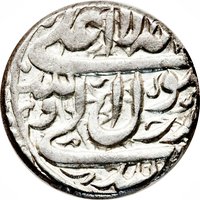
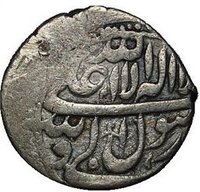
Reverse
Inscription:
لا اله الا الله
محمد رسول الله
علی ولی الله
محمد رسول الله
علی ولی الله
Script: Persian
Edge
Plain
Mints
| Name | Mark |
|---|---|
| Isfahan | اصفهان |
Mintings
| Year | Mint Mark | Mintage | Quality | Collection |
|---|---|---|---|---|
| — | — | — | ||
| 1631 | — | — | ||
| 1631 | — | — | ||
| 1632 | — | — |
Historical background
In 1631, Iran under the Safavid dynasty (1501–1736) operated within a complex and often strained monetary system. The primary currency was the silver abbasi (worth 200 dinars), alongside the shahi (50 dinars) and the mohammadi (100 dinars). However, the most critical unit for large-scale trade and state finance was the toman, which was not a minted coin but an accounting unit representing 10,000 dinars or 50 abbasi. The system was bimetallic, relying on both silver and copper coins for daily use, with gold coins reserved mainly for foreign trade and prestige.
The period was marked by significant currency instability and debasement. Shah Abbas I (r. 1588–1629) had recently died, and his successor, Shah Safi (r. 1629–1642), inherited financial pressures from prolonged wars with the Ottoman Empire and the Mughals. To raise revenue for the military and court expenditures, the state frequently engaged in the practice of reducing the silver content in minted coins while officially maintaining their face value. This debasement, often done by altering the alloy or reducing coin weight, led to inflation, a loss of public trust in the currency, and market confusion where older, purer coins were hoarded.
Furthermore, Iran’s economy was heavily influenced by the influx of New World silver via global trade routes, which affected silver supplies and values. Internal challenges, such as bureaucratic corruption and the practice of provincial governors striking their own copper coins, exacerbated the lack of uniformity. Consequently, in 1631, merchants, artisans, and the populace had to navigate a volatile monetary environment where the real value of coins could fluctuate significantly, complicating taxation and trade both within the empire and with European companies like the English and Dutch East India companies active in the region.
The period was marked by significant currency instability and debasement. Shah Abbas I (r. 1588–1629) had recently died, and his successor, Shah Safi (r. 1629–1642), inherited financial pressures from prolonged wars with the Ottoman Empire and the Mughals. To raise revenue for the military and court expenditures, the state frequently engaged in the practice of reducing the silver content in minted coins while officially maintaining their face value. This debasement, often done by altering the alloy or reducing coin weight, led to inflation, a loss of public trust in the currency, and market confusion where older, purer coins were hoarded.
Furthermore, Iran’s economy was heavily influenced by the influx of New World silver via global trade routes, which affected silver supplies and values. Internal challenges, such as bureaucratic corruption and the practice of provincial governors striking their own copper coins, exacerbated the lack of uniformity. Consequently, in 1631, merchants, artisans, and the populace had to navigate a volatile monetary environment where the real value of coins could fluctuate significantly, complicating taxation and trade both within the empire and with European companies like the English and Dutch East India companies active in the region.
✨ Legendary