

4 shahi – Iran
Add to wishlist
Iran
Material
Weight: 7.68 g
Silver Weight:: 7.68 g
Shape: Round
Composition: Silver
Standard: Silver quarter ounce
Magnetic: No
Alignment: Coin alignment
flip
References
KM: #
Numista: #62431
Value
Bullion value: $19.24
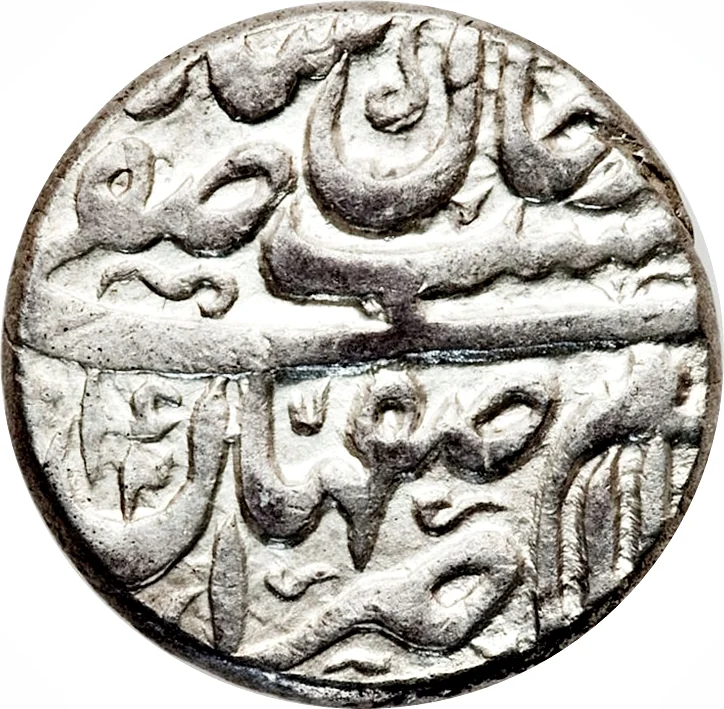
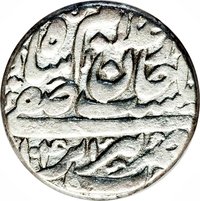
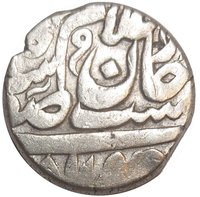
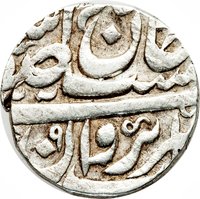
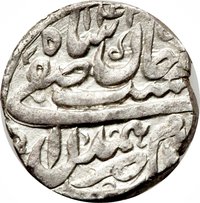
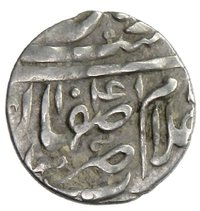
Obverse
Inscription:
هست از جان غلام شاه صفی
ضرب اصفهان
ضرب اصفهان
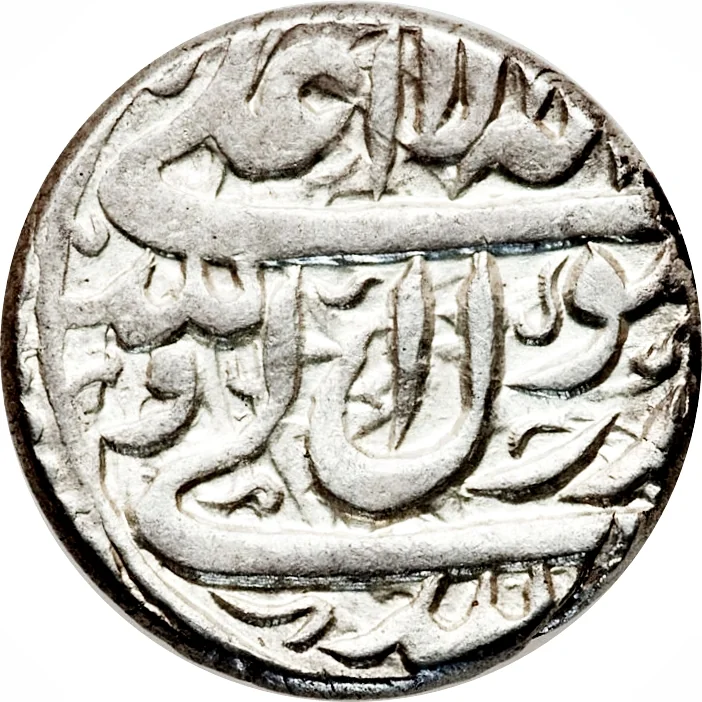
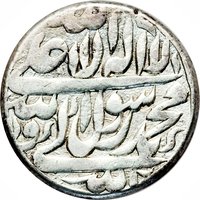
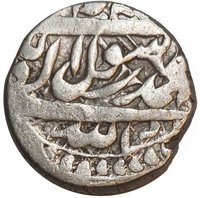
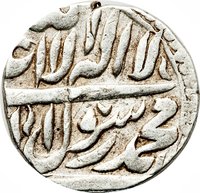
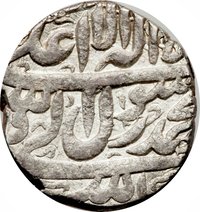
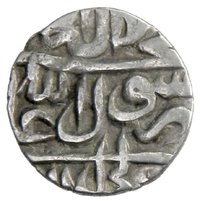
Reverse
Inscription:
لا اله الا الله
محمد رسول الله
علی ولی الله
محمد رسول الله
علی ولی الله
Edge
Plain
Mintings
| Year | Mint Mark | Mintage | Quality | Collection |
|---|---|---|---|---|
| 1629 | — | — | ||
| 1630 | — | — | ||
| 1631 | — | — | ||
| 1632 | — | — | ||
| 1633 | — | — | ||
| 1635 | — | — | ||
| 1639 | — | — |
Historical background
In 1629, the Safavid Empire under Shah Safi I faced a severe currency crisis rooted in the fiscal mismanagement of his predecessor, Shah Abbas I. While Abbas's reign (1588–1629) had been a golden age of political and economic expansion, it was financed by heavy spending and the systematic debasement of the silver coinage, the ʿabbāsi. To fund his massive military campaigns, lavish court, and grand construction projects, Abbas had progressively reduced the silver content of the coinage, a practice that continued into the first year of Safi's rule. This created an inflationary environment where the intrinsic value of the coins fell sharply against their face value, undermining both domestic trade and international commerce.
The situation reached a breaking point in early 1629, triggering widespread social unrest. As the new silver coins (ʿabbāsis) entered circulation with even lower precious metal content, merchants and the public rapidly lost confidence. This led to a classic manifestation of Gresham's Law, where "bad money drives out good." People hoarded the older, higher-silver coins from Abbas's earlier reign, refusing to accept the new debased currency. Markets in major cities, particularly Isfahan, descended into chaos with protests and strikes as traders closed their shops, refusing to trade in what they saw as worthless metal. The currency system, essential for the functioning of the empire's economy, was paralyzed.
Shah Safi's response was swift and brutal but ultimately addressed the symptom rather than the underlying fiscal disease. In July 1629, he executed his grand vizier, Mirza Taleb Khan, whom he blamed for the crisis, and recalled the older, purer coinage to the treasury. While this restored some temporary stability and confidence by removing the most debased coins, it did not reform the state's reliance on coinage debasement as a fiscal tool. The crisis of 1629 thus exposed the structural weakness of the Safavid financial system, which remained vulnerable to the rulers' expenditure needs, setting a precedent for further monetary instability in the decades to follow.
The situation reached a breaking point in early 1629, triggering widespread social unrest. As the new silver coins (ʿabbāsis) entered circulation with even lower precious metal content, merchants and the public rapidly lost confidence. This led to a classic manifestation of Gresham's Law, where "bad money drives out good." People hoarded the older, higher-silver coins from Abbas's earlier reign, refusing to accept the new debased currency. Markets in major cities, particularly Isfahan, descended into chaos with protests and strikes as traders closed their shops, refusing to trade in what they saw as worthless metal. The currency system, essential for the functioning of the empire's economy, was paralyzed.
Shah Safi's response was swift and brutal but ultimately addressed the symptom rather than the underlying fiscal disease. In July 1629, he executed his grand vizier, Mirza Taleb Khan, whom he blamed for the crisis, and recalled the older, purer coinage to the treasury. While this restored some temporary stability and confidence by removing the most debased coins, it did not reform the state's reliance on coinage debasement as a fiscal tool. The crisis of 1629 thus exposed the structural weakness of the Safavid financial system, which remained vulnerable to the rulers' expenditure needs, setting a precedent for further monetary instability in the decades to follow.
Series: 1629 Iran circulation coins
✨ Legendary