

Iran
Context
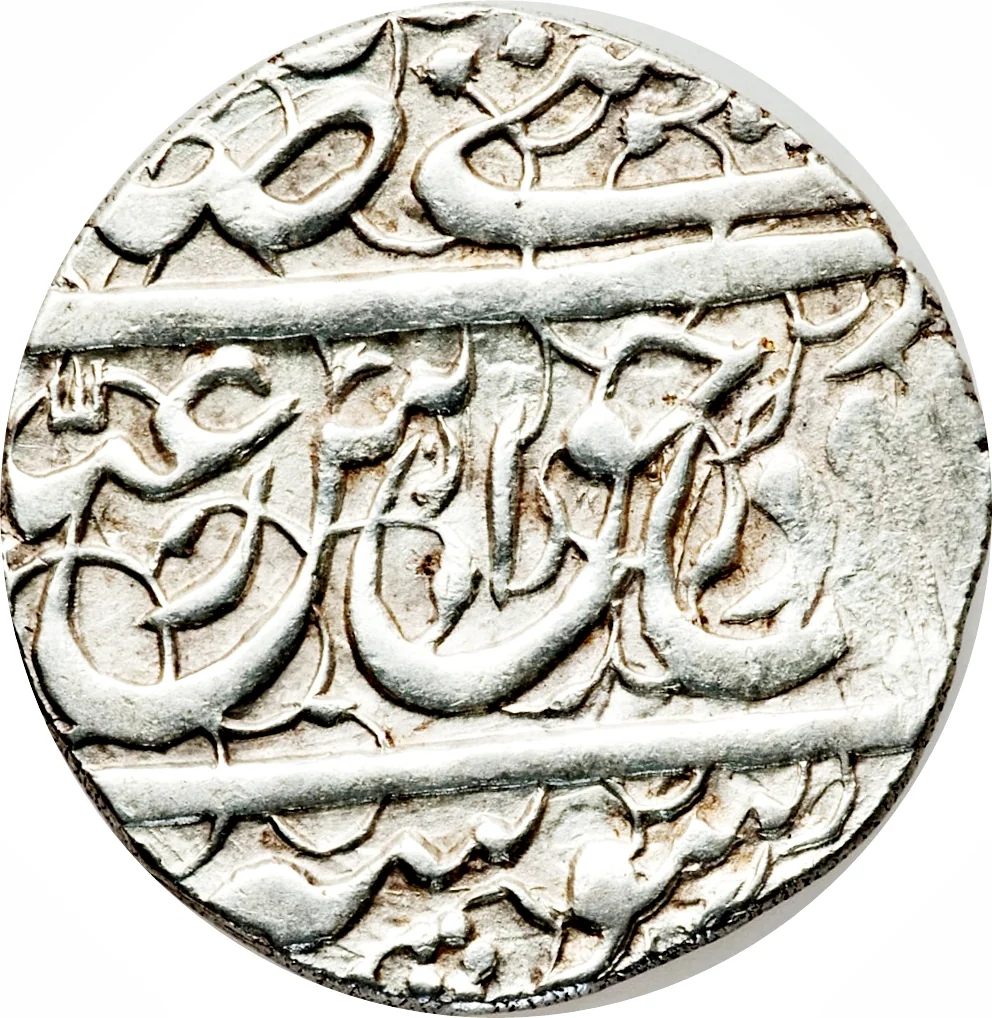
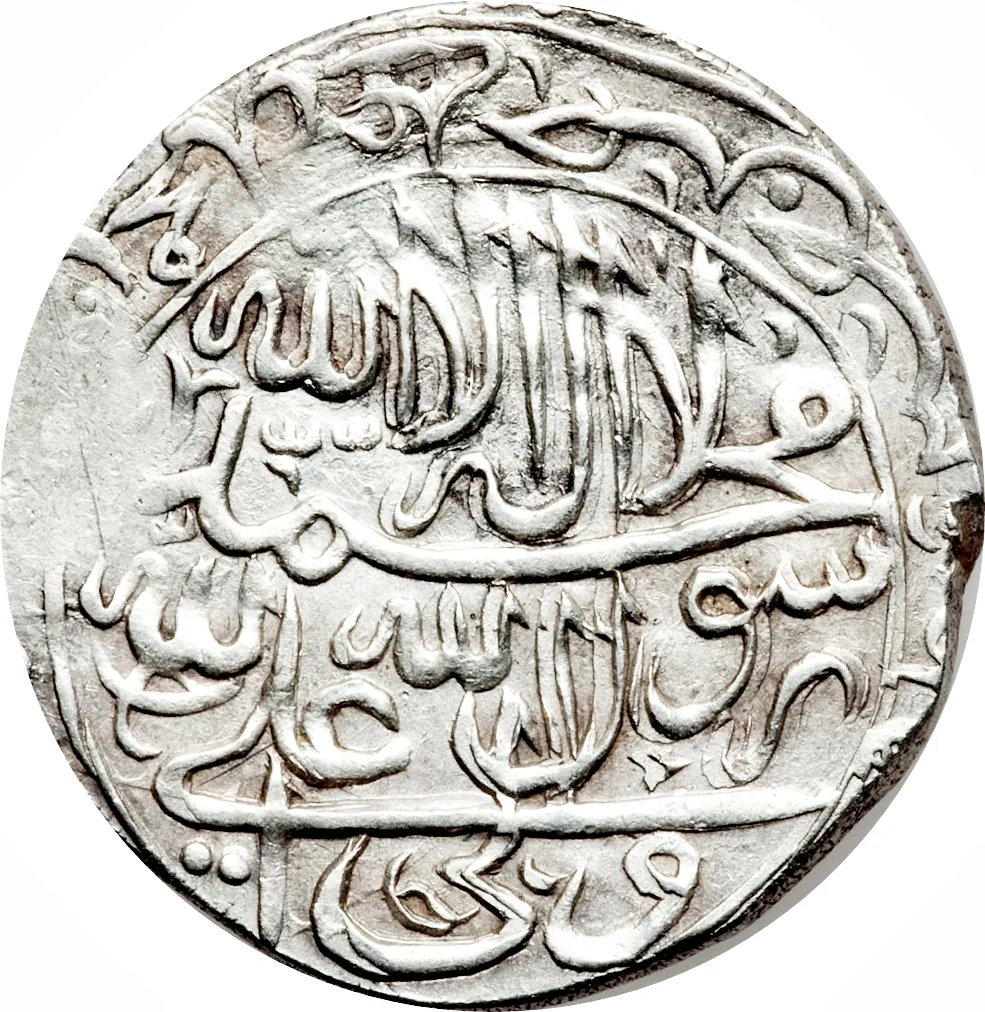
Year: 1658
Islamic (Hijri) Year: 1068
Issuer: Iran 
Ruler: Abbas II
Currency:
(1501—1798)
Demonetized: Yes
References
KM: #Click to copy to clipboard176.39
Numista: #62427
Value
Bullion value: $26.84
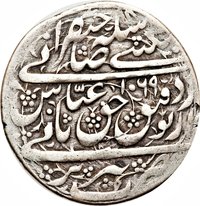
Obverse
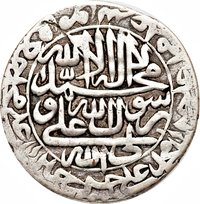
Reverse
Edge
Mintings
| Year | Mint Mark | Mintage | Quality | Collection |
|---|---|---|---|---|
| — | — | — | ||
| 1658 | — | — |
Historical background
In 1658, Iran was under the rule of the Safavid dynasty, specifically Shah Abbas II, and its monetary system was a complex bimetallic structure based on silver and copper. The primary high-value unit was the silver abbasi (named after Shah Abbas I), alongside the mohammadi and the shahi. However, the most critical coin for daily commerce was the copper dinar or pul, which served as the small change for the masses. The state maintained mints across the empire, but the system was perpetually strained by the scarcity of domestically mined precious metals, making Iran reliant on the import of silver, particularly from the Ottoman Empire and Europe, to strike its high-denomination coinage.
The currency situation was marked by significant instability and regional inconsistency. Debasement—reducing the precious metal content in coins—was a chronic issue, often executed by provincial governors or the crown itself to cover short-term fiscal deficits, especially to fund military campaigns. This led to frequent fluctuations in the exchange rates between silver and copper coins, causing inflation and hardship for common people whose wages and market transactions were tied to copper. Furthermore, the widespread circulation of foreign coins, like Ottoman and Spanish silver pieces, alongside Safavid issues, complicated trade and highlighted the state's limited control over its monetary supply.
Economically, this fragile system operated within a larger context of shifting trade routes and internal challenges. While the Silk Road remained important, maritime trade via the Persian Gulf was growing, bringing European silver from the New World. However, administrative corruption, inefficiency in tax collection, and the practice of farming out mint operations to private individuals exacerbated monetary problems. Consequently, the currency situation in 1658 reflected a Safavid state grappling with the fundamental difficulties of maintaining a unified and stable monetary economy across a vast empire, a weakness that would contribute to its later decline.
The currency situation was marked by significant instability and regional inconsistency. Debasement—reducing the precious metal content in coins—was a chronic issue, often executed by provincial governors or the crown itself to cover short-term fiscal deficits, especially to fund military campaigns. This led to frequent fluctuations in the exchange rates between silver and copper coins, causing inflation and hardship for common people whose wages and market transactions were tied to copper. Furthermore, the widespread circulation of foreign coins, like Ottoman and Spanish silver pieces, alongside Safavid issues, complicated trade and highlighted the state's limited control over its monetary supply.
Economically, this fragile system operated within a larger context of shifting trade routes and internal challenges. While the Silk Road remained important, maritime trade via the Persian Gulf was growing, bringing European silver from the New World. However, administrative corruption, inefficiency in tax collection, and the practice of farming out mint operations to private individuals exacerbated monetary problems. Consequently, the currency situation in 1658 reflected a Safavid state grappling with the fundamental difficulties of maintaining a unified and stable monetary economy across a vast empire, a weakness that would contribute to its later decline.
✨ Legendary