

Iran

Material
Diameter: 25 mm
Weight: 7.35 g
Silver weight: 7.35 g
Shape: Irregular round
Composition: Silver
Magnetic: No
References
KM: #Click to copy to clipboard169.31
Numista: #358562
Value
Bullion value: $21.36
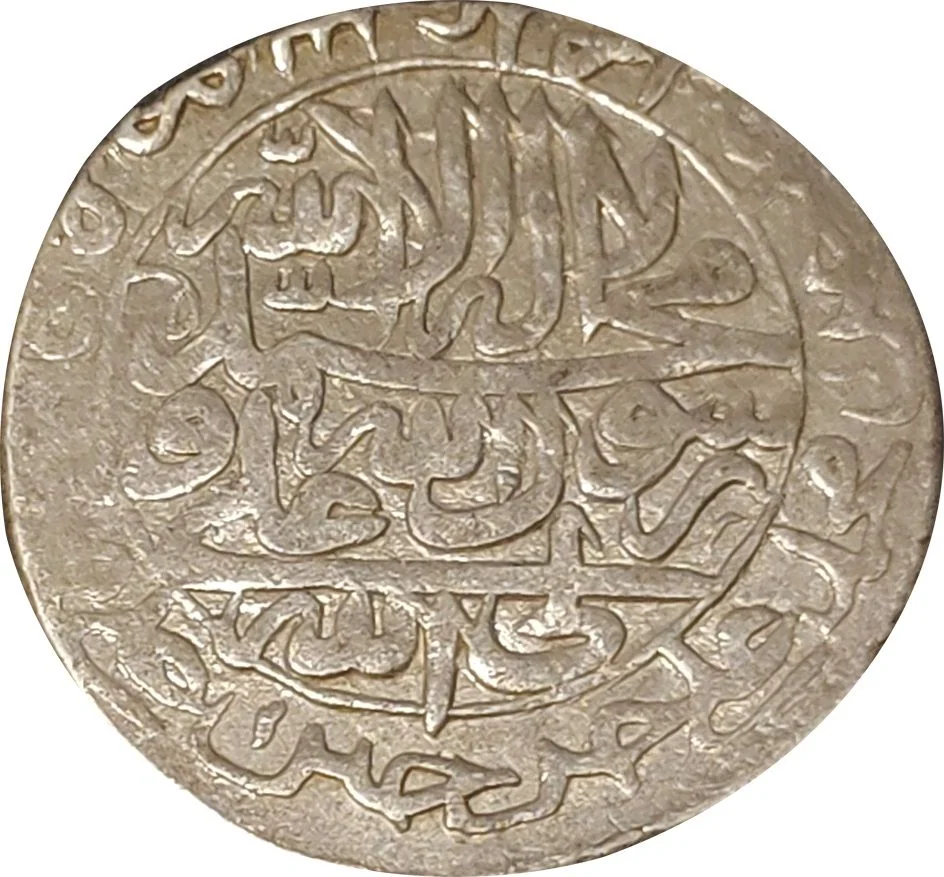
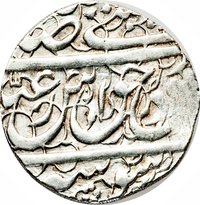
Obverse
Description:
Three-line inscription.
Script: Persian (nastaliq)
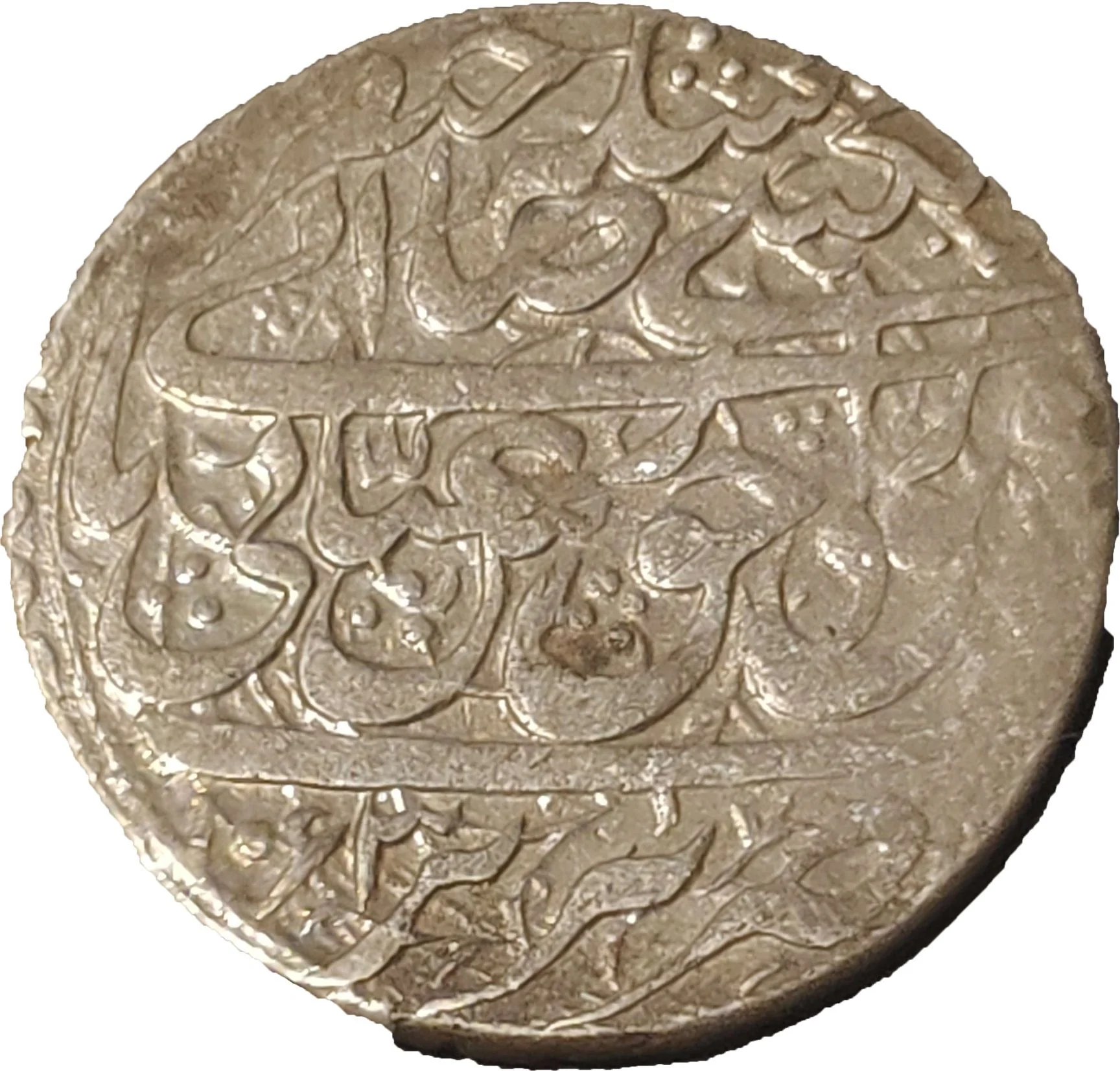
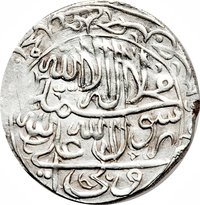
Reverse
Description:
Mint and date at lower left.
Script: Persian (nastaliq)
Edge
Mints
| Name | Mark |
|---|---|
| Qazwin | — |
Mintings
| Year | Mint Mark | Mintage | Quality | Collection |
|---|---|---|---|---|
| 1653 | — | — | ||
| 1655 | — | — |
Historical background
In 1653, the Safavid Empire under Shah Abbas II was grappling with a severe monetary crisis rooted in the debasement of the silver coinage, the primary unit of commerce. The state’s chronic budget shortfalls, driven by lavish court expenditures, a large bureaucracy, and constant military readiness on the Ottoman and Mughal frontiers, were routinely addressed by reducing the silver content in the minted abbasi and mahmudi coins. This practice, while providing immediate fiscal relief, triggered Gresham’s Law in the bazaars: "bad money drives out good." Older, purer coins were hoarded or melted down, leaving the economy awash in unreliable, low-value currency.
The consequences were acutely felt across Iranian society. The debasement caused rapid inflation and a loss of public confidence in the monetary system, disrupting both long-distance trade and local markets. Merchants faced unpredictable exchange rates and valuation chaos, as the intrinsic value of coins no longer matched their face value. This instability particularly harmed the urban artisan and merchant classes, who formed the economic backbone of the empire, while also straining the toyul (land grant) system that paid military and administrative elites, potentially affecting their loyalty.
While not the sole cause, the currency turmoil of this period reflected deeper structural weaknesses within the Safavid administration. The crisis underscored the state's reliance on short-term fiscal fixes rather than sustainable economic reform. Although the immediate crisis was eventually stabilized through stricter mint controls, the underlying vulnerability persisted. This episode of monetary instability in 1653 was a symptomatic flare-up of the fiscal pressures that would, over the long term, contribute to the gradual decline of Safavid central authority in the following century.
The consequences were acutely felt across Iranian society. The debasement caused rapid inflation and a loss of public confidence in the monetary system, disrupting both long-distance trade and local markets. Merchants faced unpredictable exchange rates and valuation chaos, as the intrinsic value of coins no longer matched their face value. This instability particularly harmed the urban artisan and merchant classes, who formed the economic backbone of the empire, while also straining the toyul (land grant) system that paid military and administrative elites, potentially affecting their loyalty.
While not the sole cause, the currency turmoil of this period reflected deeper structural weaknesses within the Safavid administration. The crisis underscored the state's reliance on short-term fiscal fixes rather than sustainable economic reform. Although the immediate crisis was eventually stabilized through stricter mint controls, the underlying vulnerability persisted. This episode of monetary instability in 1653 was a symptomatic flare-up of the fiscal pressures that would, over the long term, contribute to the gradual decline of Safavid central authority in the following century.
✨ Legendary