

Iran
Context

Material
References
KM: #Click to copy to clipboard176
Numista: #61001
Value
Bullion value: $26.58
Obverse
Description:
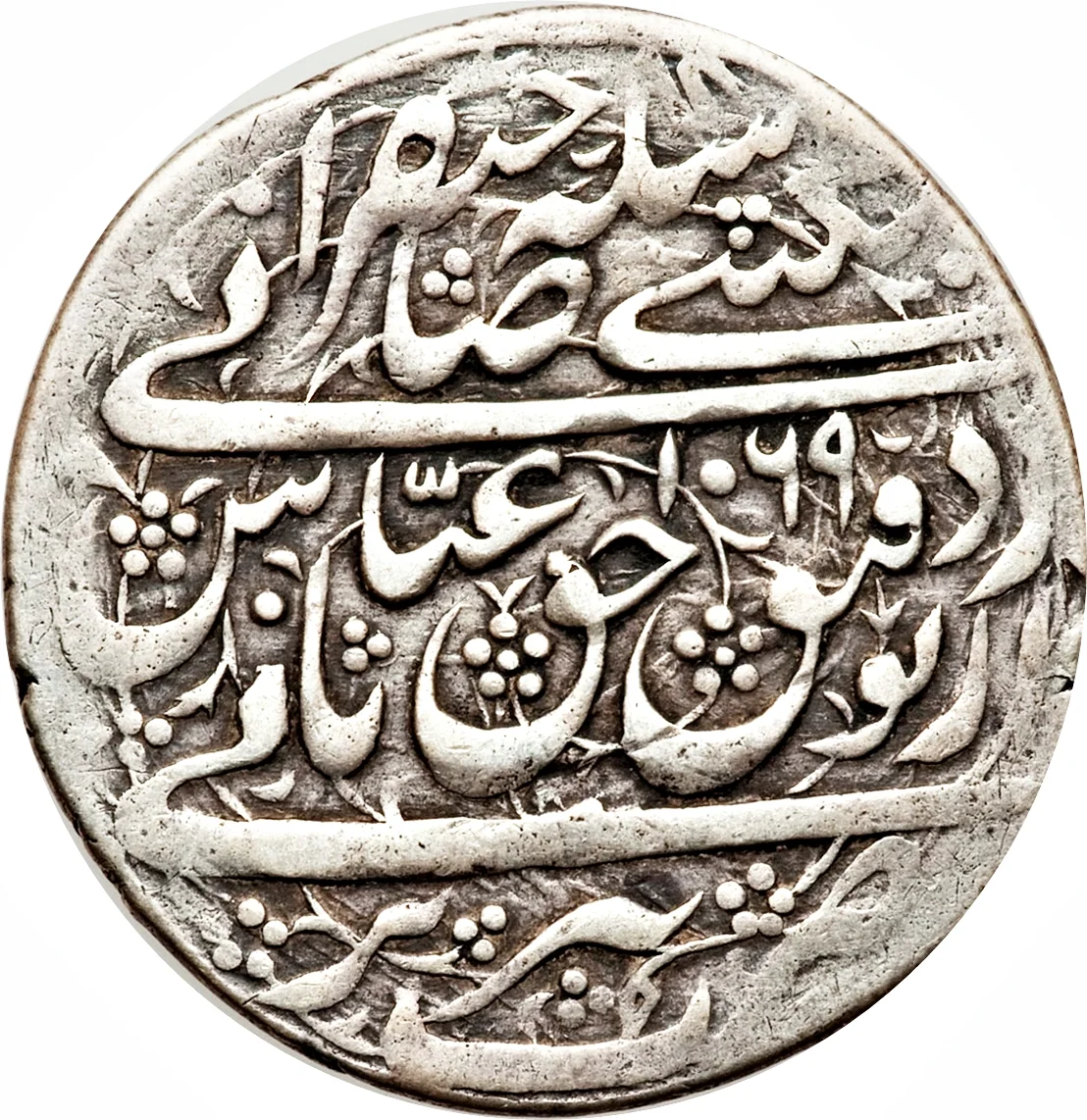
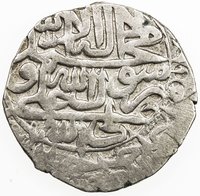
KM#176.40
Inscription:
بگیتی سکه صاحبقرانی زد از توفیق حق عبّاس ثانی
ضرب تبریز
۱۰٦٩
ضرب تبریز
۱۰٦٩
Reverse
Inscription:
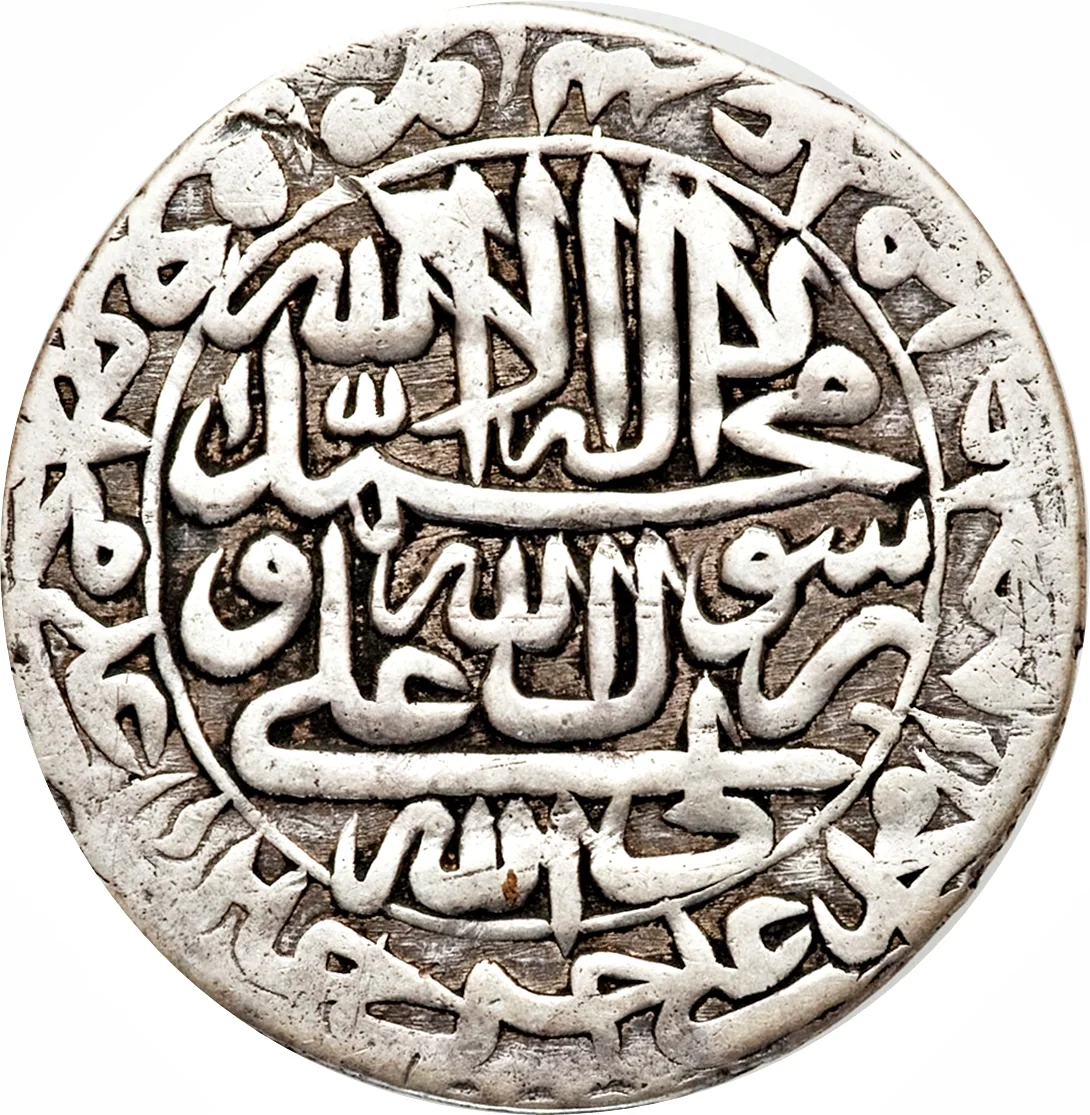
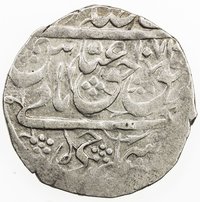
لا اله الا الله/محمّد رسول الله/علی ولی الله
علی حسن حسین علی محمد جعفر موسی علی محمد علی حسن محمد
علی حسن حسین علی محمد جعفر موسی علی محمد علی حسن محمد
Edge
Plain
Mints
| Name | Mark |
|---|---|
| Tebriz | — |
Mintings
| Year | Mint Mark | Mintage | Quality | Collection |
|---|---|---|---|---|
| 1659 | — | — | ||
| 1660 | — | — | ||
| 1661 | — | — | ||
| 1662 | — | — | ||
| 1663 | — | — | ||
| 1663 | — | — | ||
| 1665 | — | — |
Historical background
In 1659, Iran was under the rule of the Safavid dynasty, specifically Shah Abbas II, and its currency system was defined by a bimetallic standard of silver and copper. The primary unit of account was the silver abbasi (named after Shah Abbas I), alongside the shahi (half an abbasi) and the mahmudi (one-fifth of an abbasi). However, the most critical currency in daily circulation was the copper coin, known as the dinar or fulus, which was essential for local markets and small-scale transactions. The integrity of this system was under constant strain due to several interconnected factors.
The central monetary challenge of this period was a severe and chronic shortage of silver, which drained from the economy to pay for sustained imports—particularly from the Dutch and English East India Companies—while exports like silk failed to balance the trade. This scarcity led to frequent debasement of the silver coinage, where the government reduced the precious metal content to mint more coins from dwindling reserves, eroding public trust. Simultaneously, the overproduction and regional variability of copper coins caused significant inflation in the copper-based economy, severely impacting the livelihoods of the common people and soldiers paid in these coins.
Consequently, the currency situation in 1659 was one of instability and localized crisis. The central mint in Isfahan struggled to maintain a uniform standard, while provincial governors often issued their own copper coins, leading to a chaotic multiplicity of currencies and exchange rates. This monetary fragmentation, combined with the inflationary pressure on necessities, created persistent socioeconomic tension. While not yet a catastrophic collapse, the weakening currency system reflected deeper vulnerabilities in the Safavid economy, presaging more severe difficulties in the decades to follow.
The central monetary challenge of this period was a severe and chronic shortage of silver, which drained from the economy to pay for sustained imports—particularly from the Dutch and English East India Companies—while exports like silk failed to balance the trade. This scarcity led to frequent debasement of the silver coinage, where the government reduced the precious metal content to mint more coins from dwindling reserves, eroding public trust. Simultaneously, the overproduction and regional variability of copper coins caused significant inflation in the copper-based economy, severely impacting the livelihoods of the common people and soldiers paid in these coins.
Consequently, the currency situation in 1659 was one of instability and localized crisis. The central mint in Isfahan struggled to maintain a uniform standard, while provincial governors often issued their own copper coins, leading to a chaotic multiplicity of currencies and exchange rates. This monetary fragmentation, combined with the inflationary pressure on necessities, created persistent socioeconomic tension. While not yet a catastrophic collapse, the weakening currency system reflected deeper vulnerabilities in the Safavid economy, presaging more severe difficulties in the decades to follow.
✨ Legendary