

4 Shahi – Iran
Iran
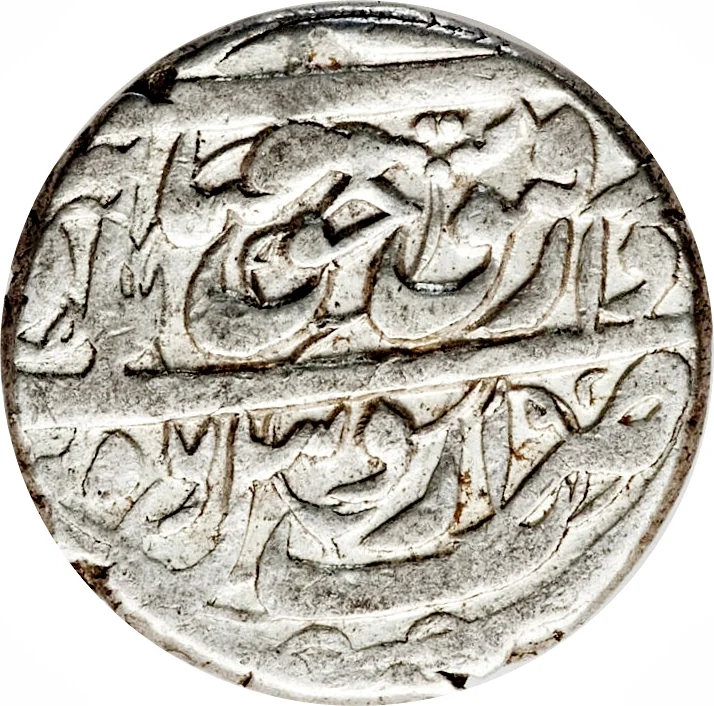
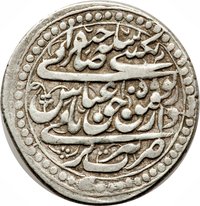
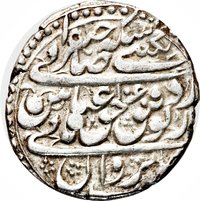
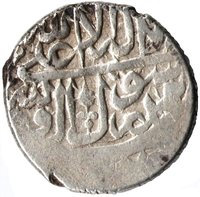
Obverse
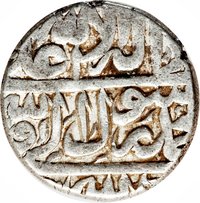
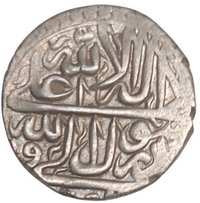
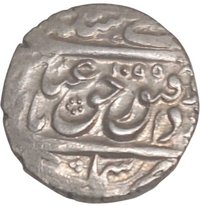
Inscription:
بگیتی سکه صاحبقرانی
زد از توفیق حق عباس ثانی
ضرب اردبیل
زد از توفیق حق عباس ثانی
ضرب اردبیل
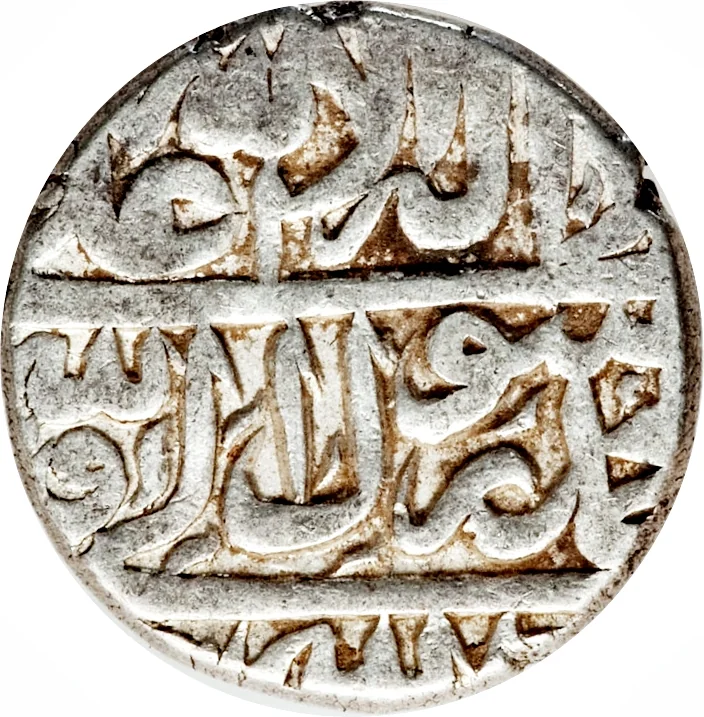
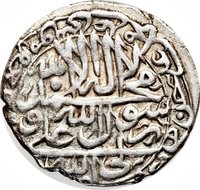
Reverse
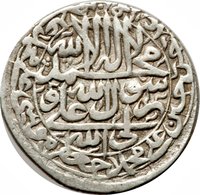
Inscription:
لا اله الا الله
محمد رسول الله
علی ولی الله
محمد رسول الله
علی ولی الله
Edge
Mints
| Name | Mark |
|---|---|
| Ardabil | — |
Mintings
| Year | Mint Mark | Mintage | Quality | Collection |
|---|---|---|---|---|
| 1644 | — | — | ||
| 1645 | — | — | ||
| 1646 | — | — | ||
| 1647 | — | — | ||
| 1649 | — | — | ||
| 1653 | — | — | ||
| 1654 | — | — |
Historical background
In 1644, Iran was under the rule of the Safavid dynasty, specifically Shah Abbas II, and its currency system was a complex and often unstable bimetallic system. The primary units were the silver abbasi (named after Shah Abbas I) and the gold toman, which was a money of account equal to 50 abbasis. The state minted a variety of silver coins (shahis, mohammadis, abbasis) and gold coins (ashrafis), but the quality and weight of these coins, especially the silver, could vary significantly between mints and over time. This period was marked by a chronic shortage of precious metals, particularly silver, which flowed out to pay for continuous imports from European trading companies and neighboring empires.
The monetary situation was further strained by systemic economic pressures. A significant portion of Iran's silver was drained eastward to pay for goods from India, while Ottoman wars and internal administrative costs placed heavy burdens on the treasury. Counterfeiting and the clipping of coins were rampant, eroding public trust in the currency. Furthermore, the government frequently engaged in debasement—reducing the silver content in coins while maintaining their face value—as a short-term fiscal measure to cover state expenses, leading to inflation and market confusion. This practice destabilized both domestic trade and international commerce, as merchants had to constantly assay coins.
Despite these challenges, the Safavid state in the mid-17th century still maintained a functioning, if fragile, monetary economy centered on the major urban bazaars and long-distance trade routes. The Royal Mint (zarrabkhaneh) had a monopoly on coinage, and efforts were made to standardize currency, though with limited success. The instability was a persistent undercurrent rather than a catastrophic collapse, reflecting the broader strains of maintaining a centralized empire amid global bullion flows and regional conflicts. This precarious balance would, however, contribute to the economic difficulties that plagued the later Safavid period.
The monetary situation was further strained by systemic economic pressures. A significant portion of Iran's silver was drained eastward to pay for goods from India, while Ottoman wars and internal administrative costs placed heavy burdens on the treasury. Counterfeiting and the clipping of coins were rampant, eroding public trust in the currency. Furthermore, the government frequently engaged in debasement—reducing the silver content in coins while maintaining their face value—as a short-term fiscal measure to cover state expenses, leading to inflation and market confusion. This practice destabilized both domestic trade and international commerce, as merchants had to constantly assay coins.
Despite these challenges, the Safavid state in the mid-17th century still maintained a functioning, if fragile, monetary economy centered on the major urban bazaars and long-distance trade routes. The Royal Mint (zarrabkhaneh) had a monopoly on coinage, and efforts were made to standardize currency, though with limited success. The instability was a persistent undercurrent rather than a catastrophic collapse, reflecting the broader strains of maintaining a centralized empire amid global bullion flows and regional conflicts. This precarious balance would, however, contribute to the economic difficulties that plagued the later Safavid period.
Series: 1644 Iran circulation coins
✨ Legendary