

Iran

Material
Diameter: 25.9 mm
Weight: 7.5 g
Silver weight: 7.50 g
Thickness: 2 mm
Shape: Irregular round
Composition: Silver
Magnetic: No
Technique: Hammered
References
KM: #Click to copy to clipboard163.9
Numista: #99807
Value
Bullion value: $21.80
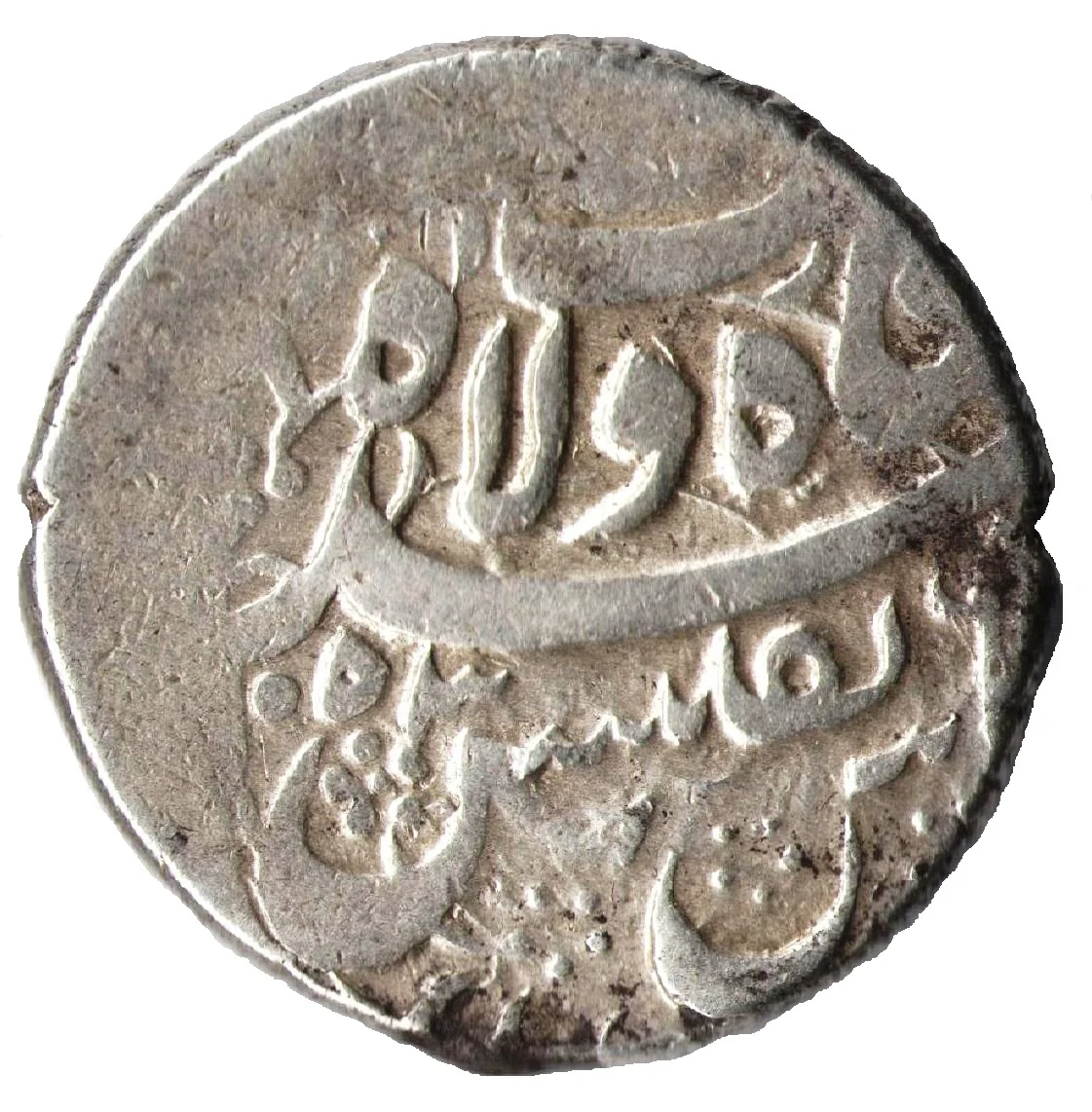
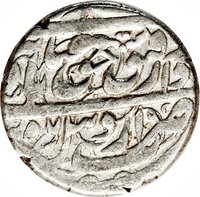
Obverse
Description:
Three-line Persian inscription: second line names the Shah, third line the mint. Date varies between second or third line.
Inscription:
بنده شاه ولایت عباس
١٠٥٣
تفليس
١٠٥٣
تفليس
Script: Persian (nastaliq)
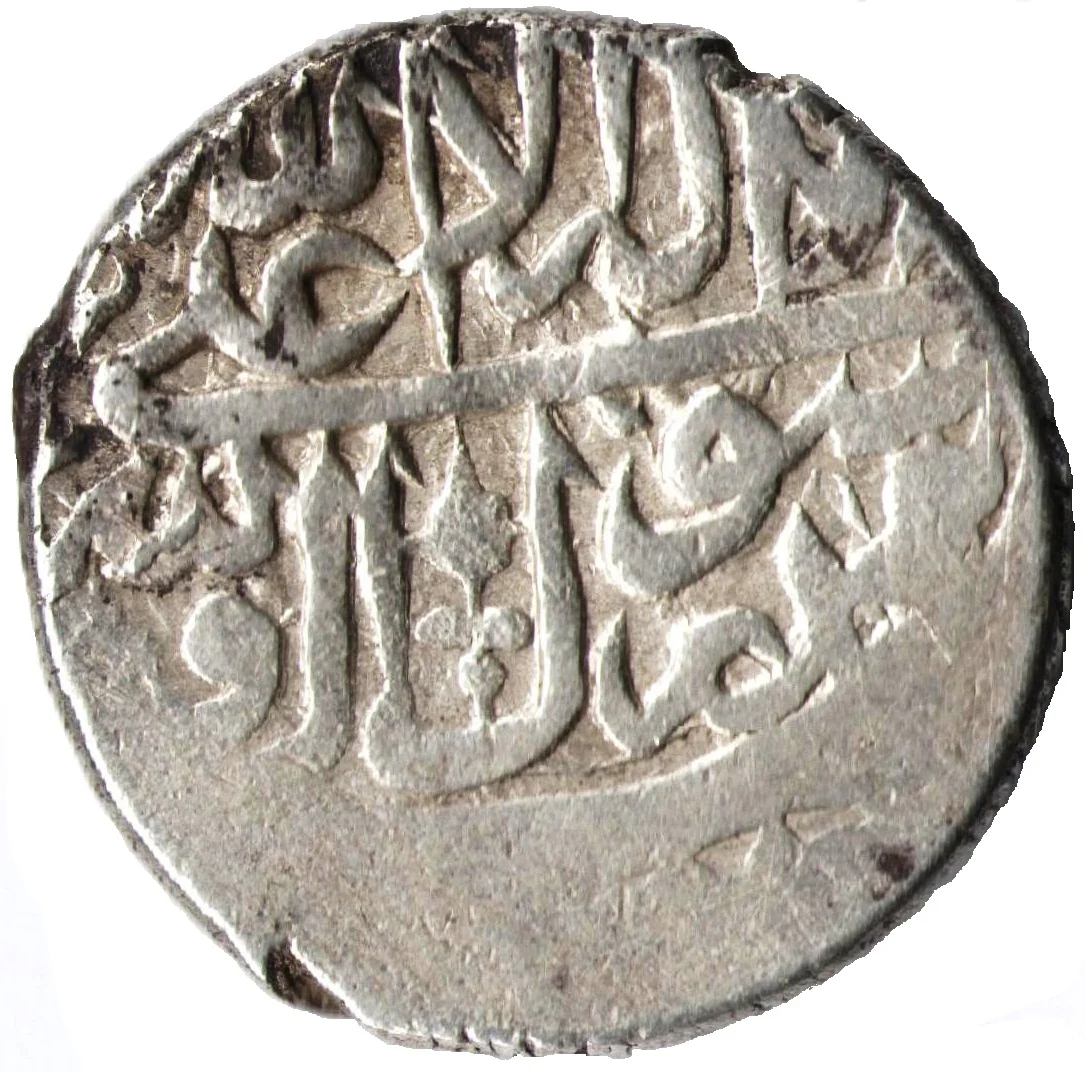
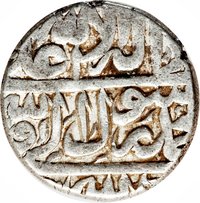
Reverse
Description:
Shia declaration of faith.
Inscription:
لا اله الا الله
محمد رسول الله
علی ولی الله
محمد رسول الله
علی ولی الله
Edge
Hammered
Mints
| Name | Mark |
|---|---|
| Tiflis | — |
Mintings
| Year | Mint Mark | Mintage | Quality | Collection |
|---|---|---|---|---|
| 1643 | — | — | ||
| 1643 | — | — | ||
| 1644 | — | — |
Historical background
In 1643, Iran was under the rule of the Safavid dynasty, specifically during the reign of Shah Abbas II. The currency system was a bimetallic one, primarily based on the silver `abbasi` and the gold `toman`, which was a unit of account rather than a commonly minted coin. The `abbasi`, named after Shah Abbas I, was the workhorse of the economy, used for everyday transactions and tax payments. Its value and silver content were generally stable during this period, a testament to the relative political stability and economic control maintained by the central mint in the capital, Isfahan.
However, the monetary landscape was not without its complexities. A key challenge was the chronic shortage of silver within Iran's borders, which necessitated the import of bullion, particularly from the Ottoman Empire and through trade with European merchants like the Dutch and English East India Companies. This reliance on external sources made the currency supply vulnerable to trade imbalances and international price fluctuations. Furthermore, a plethora of older and regional coins, such as the `shahi` and various copper `fulus` for small-scale trade, remained in circulation, creating a somewhat fragmented system that required constant evaluation and exchange by money-changers (sarraf).
Overall, the currency situation in 1643 reflected a period of consolidation and careful management following the extensive reforms of Shah Abbas I. The system functioned adequately for internal trade and state finance, underpinning the Safavid Empire's prosperity. Yet, the structural dependence on imported silver hinted at underlying vulnerabilities that would become more pronounced in the later decades of the 17th century as global trade patterns shifted and central authority occasionally wavered.
However, the monetary landscape was not without its complexities. A key challenge was the chronic shortage of silver within Iran's borders, which necessitated the import of bullion, particularly from the Ottoman Empire and through trade with European merchants like the Dutch and English East India Companies. This reliance on external sources made the currency supply vulnerable to trade imbalances and international price fluctuations. Furthermore, a plethora of older and regional coins, such as the `shahi` and various copper `fulus` for small-scale trade, remained in circulation, creating a somewhat fragmented system that required constant evaluation and exchange by money-changers (sarraf).
Overall, the currency situation in 1643 reflected a period of consolidation and careful management following the extensive reforms of Shah Abbas I. The system functioned adequately for internal trade and state finance, underpinning the Safavid Empire's prosperity. Yet, the structural dependence on imported silver hinted at underlying vulnerabilities that would become more pronounced in the later decades of the 17th century as global trade patterns shifted and central authority occasionally wavered.
✨ Legendary