

Iran
Context
Year: 1688
Islamic (Hijri) Year: 1099
Issuer: Iran 
Ruler: Suleiman I
Currency:
(1501—1798)
Demonetized: Yes
References
KM: #Click to copy to clipboard229
Numista: #62422
Value
Bullion value: $106.86
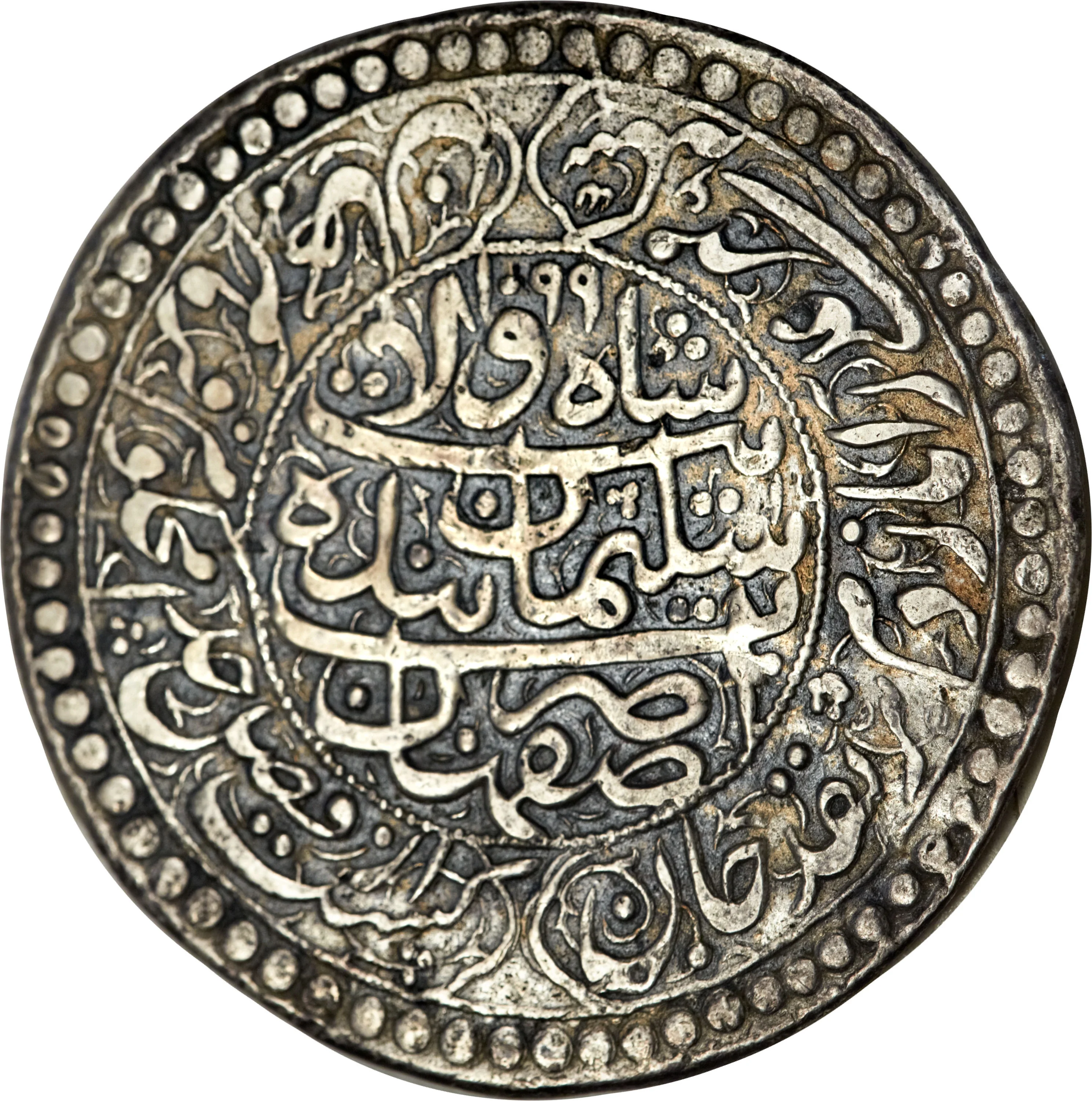
Obverse
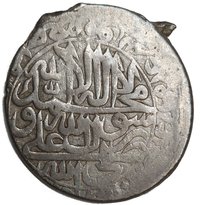
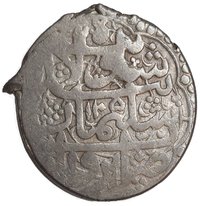
Description:
Center: King's title, mint, and date in thuluth.
Margin: Poem in nastaliq.
Margin: Poem in nastaliq.
Inscription:
بنده شاه ولایت سلیمان
ضرب اصفهان
۱۰۹۹
سکّۀ مهر علی را تا زدم بر نقد جان
گشت از فضل خدا محکوم فرمانم جهان
ضرب اصفهان
۱۰۹۹
سکّۀ مهر علی را تا زدم بر نقد جان
گشت از فضل خدا محکوم فرمانم جهان
Scripts: Arabic (thuluth), Persian (nastaliq)
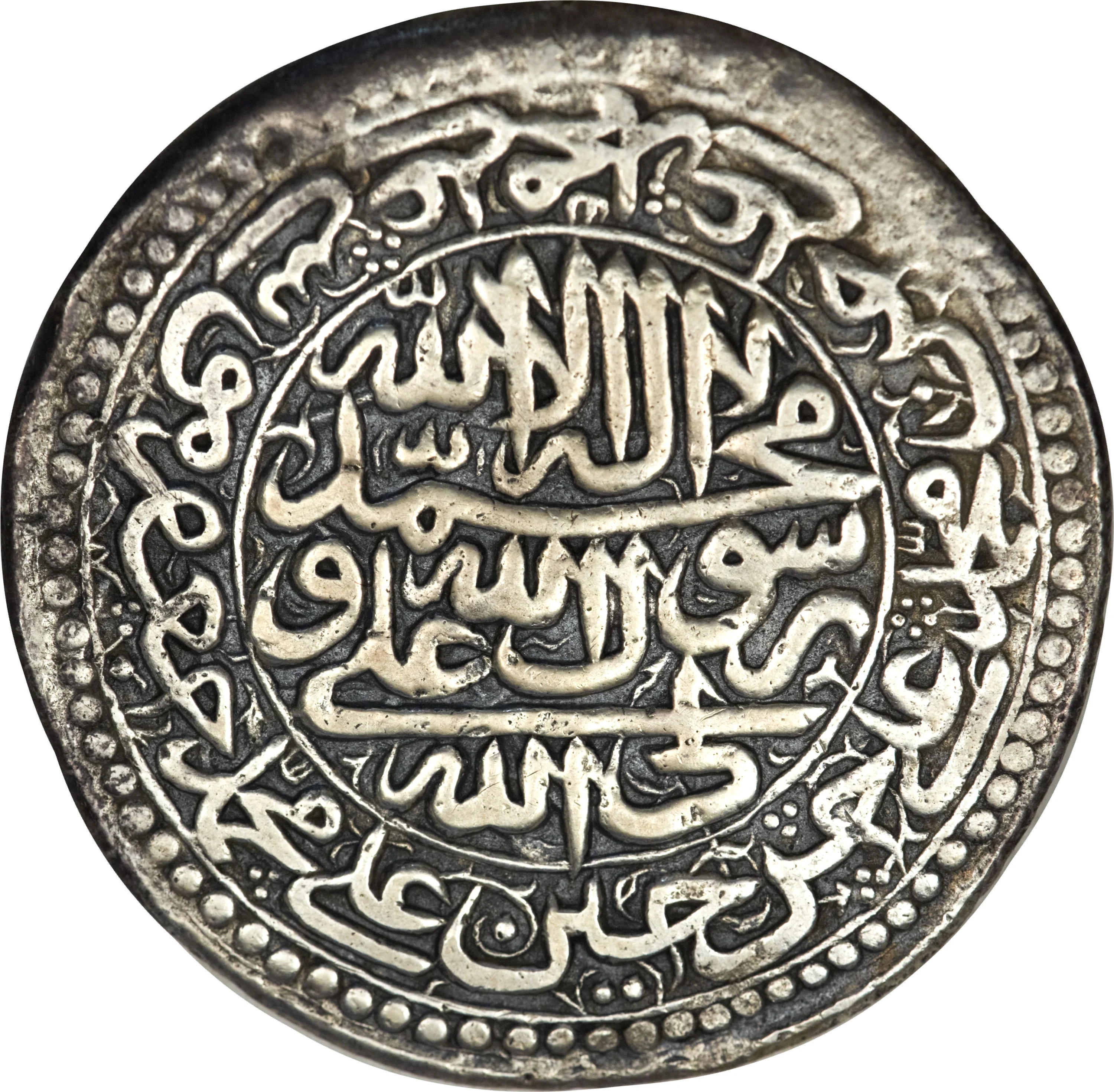
Reverse
Description:
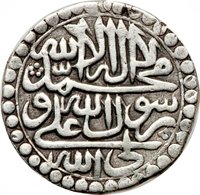
Center: Shi'a declaration of faith
Margin: Names of Shi'a Imams
Margin: Names of Shi'a Imams
Inscription:
لا اله الّا الله
محمد رسول الله
علی ولی الله
علی حسن حسین علی محمد جعفر موسی علی محمد علی حسن محمد
محمد رسول الله
علی ولی الله
علی حسن حسین علی محمد جعفر موسی علی محمد علی حسن محمد
Script: Arabic (thuluth)
Edge
Plain
Mints
| Name | Mark |
|---|---|
| Isfahan | — |
Mintings
| Year | Mint Mark | Mintage | Quality | Collection |
|---|---|---|---|---|
| 1688 | — | — |
Historical background
In 1688, Iran operated under the Safavid monetary system, which was a bimetallic standard based primarily on the silver ‘abbasi and the gold toman. The ‘abbasi, a silver coin named after Shah ‘Abbas I (r. 1588-1629), was the principal unit for daily commerce and taxation, valued at 200 dinars. The toman, a money of account equal to 10,000 dinars or 50 ‘abbasis, was used for high-value transactions and state finance. However, the system was plagued by chronic instability due to the irregular quality and supply of precious metals, leading to frequent fluctuations in the value and weight of coins.
The currency situation was heavily influenced by two major factors: internal economic strain and disruptive external trade. Domestically, the late Safavid period saw declining agricultural revenue and inefficient tax collection, which reduced the state's ability to regulate the mint. More critically, Iran suffered from a severe shortage of silver, as its primary source was the import of New World silver via European traders. This flow was frequently interrupted by European mercantilist policies and conflicts, causing acute shortages of bullion. Consequently, provincial mints often issued debased coins, and counterfeit currency was rampant, eroding public trust in the monetary system.
This instability had direct consequences for the economy and the state. The unreliable currency complicated long-distance trade, particularly with European companies like the English and Dutch East India Companies, who were major players in the silk trade. It also strained the relationship between the central government in Isfahan and provincial rulers, who sometimes minted their own inferior coins to meet local needs. While not in a state of total collapse in 1688, the currency system was fragile, reflecting the broader administrative and economic challenges that would increasingly weaken the Safavid Empire in the decades leading to its fall in 1722.
The currency situation was heavily influenced by two major factors: internal economic strain and disruptive external trade. Domestically, the late Safavid period saw declining agricultural revenue and inefficient tax collection, which reduced the state's ability to regulate the mint. More critically, Iran suffered from a severe shortage of silver, as its primary source was the import of New World silver via European traders. This flow was frequently interrupted by European mercantilist policies and conflicts, causing acute shortages of bullion. Consequently, provincial mints often issued debased coins, and counterfeit currency was rampant, eroding public trust in the monetary system.
This instability had direct consequences for the economy and the state. The unreliable currency complicated long-distance trade, particularly with European companies like the English and Dutch East India Companies, who were major players in the silk trade. It also strained the relationship between the central government in Isfahan and provincial rulers, who sometimes minted their own inferior coins to meet local needs. While not in a state of total collapse in 1688, the currency system was fragile, reflecting the broader administrative and economic challenges that would increasingly weaken the Safavid Empire in the decades leading to its fall in 1722.
✨ Legendary