

Iran
Context
Material
Weight: 3.69 g
Silver weight: 3.69 g
Shape: Irregular round
Composition: Silver
Magnetic: No
Technique: Hammered
References
KM: #Click to copy to clipboard225.5
Numista: #62418
Value
Bullion value: $10.69
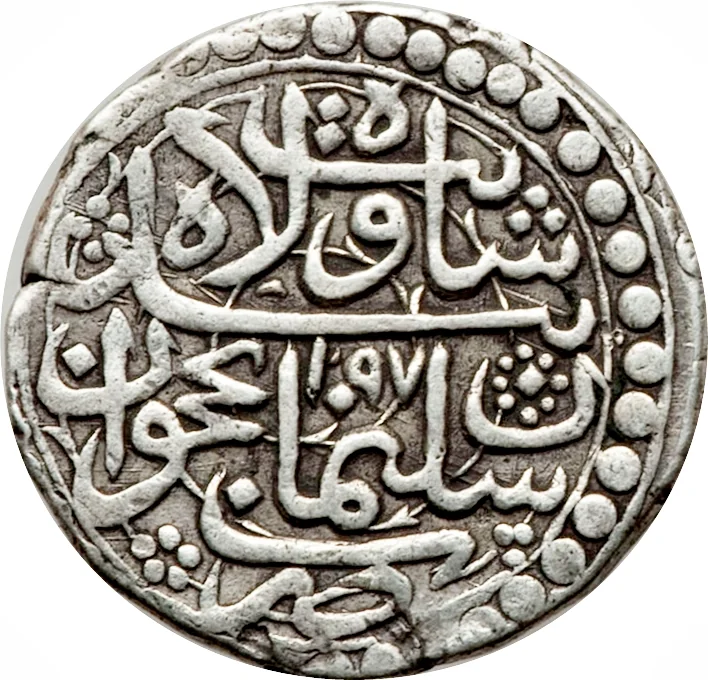
Obverse
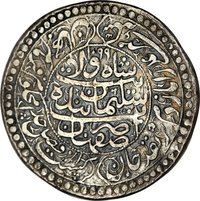
Inscription:
بنده شاه ولایت سلیمان
۱۰۹۷
ضرب نخجوان
۱۰۹۷
ضرب نخجوان
Script: Arabic (thuluth)
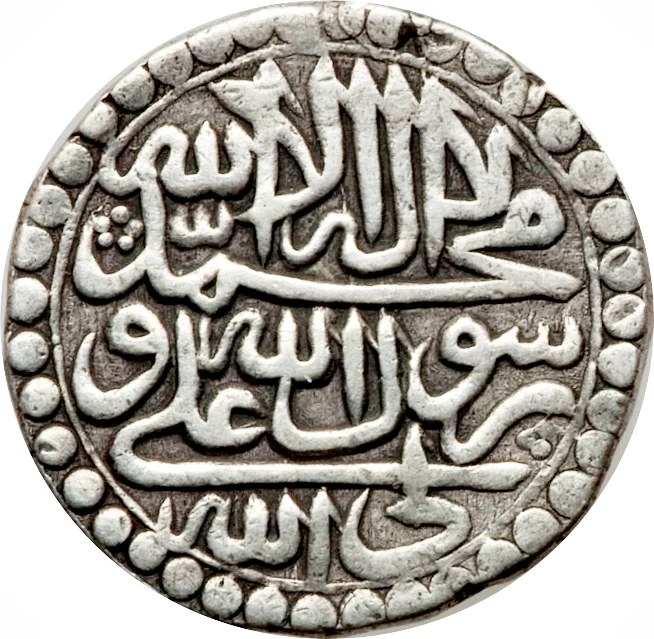
Reverse
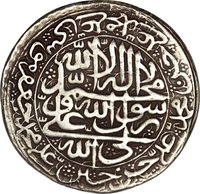
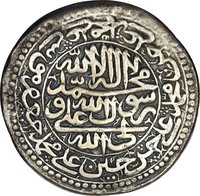
Inscription:
لا اله الا الله
محـــــــــــمّد
رسول الله علی و
لی الله
محـــــــــــمّد
رسول الله علی و
لی الله
Script: Arabic (thuluth)
Edge
Plain
Mints
| Name | Mark |
|---|---|
| Nakhchivan | نخجوان |
Mintings
| Year | Mint Mark | Mintage | Quality | Collection |
|---|---|---|---|---|
| 1686 | — | — | ||
| 1690 | — | — |
Historical background
In 1686, Iran was under the rule of the Safavid dynasty, specifically Shah Sulayman I (r. 1666–1694). The empire's currency system was based on precious metals, primarily silver, with the principal unit being the abbasi, a silver coin named after Shah Abbas I. The monetary landscape was complex and decentralized, characterized by a proliferation of coin types minted in various provincial capitals like Isfahan, Tabriz, and Mashhad. These coins often varied in weight and purity, leading to challenges in trade and valuation, especially in transactions with European merchants and neighboring empires.
The period was marked by significant economic strain, which directly impacted the currency. A combination of factors, including declining revenue from the silk trade, costly military campaigns, and extravagant court expenditures, drained the royal treasury. This financial pressure led to repeated debasement of the coinage—reducing the silver content in coins like the abbasi and the smaller shahi to generate short-term revenue. Consequently, the value of the currency became unstable, fostering inflation, market distrust, and a preference for older, purer coins or foreign currency in commercial dealings, particularly in the bustling port of Bandar Abbas.
Furthermore, the currency situation reflected broader administrative weaknesses. The Safavid state's control over its provinces was weakening, and local khans and mint masters often operated with considerable autonomy, sometimes issuing inferior coins. While no single monetary crisis defines the year 1686, the cumulative effect of these practices was a gradual erosion of the monetary system's integrity. This instability contributed to the longer-term economic vulnerabilities that would plague the later Safavid period, undermining both internal commerce and Iran's position in Eurasian trade networks.
The period was marked by significant economic strain, which directly impacted the currency. A combination of factors, including declining revenue from the silk trade, costly military campaigns, and extravagant court expenditures, drained the royal treasury. This financial pressure led to repeated debasement of the coinage—reducing the silver content in coins like the abbasi and the smaller shahi to generate short-term revenue. Consequently, the value of the currency became unstable, fostering inflation, market distrust, and a preference for older, purer coins or foreign currency in commercial dealings, particularly in the bustling port of Bandar Abbas.
Furthermore, the currency situation reflected broader administrative weaknesses. The Safavid state's control over its provinces was weakening, and local khans and mint masters often operated with considerable autonomy, sometimes issuing inferior coins. While no single monetary crisis defines the year 1686, the cumulative effect of these practices was a gradual erosion of the monetary system's integrity. This instability contributed to the longer-term economic vulnerabilities that would plague the later Safavid period, undermining both internal commerce and Iran's position in Eurasian trade networks.
✨ Legendary