

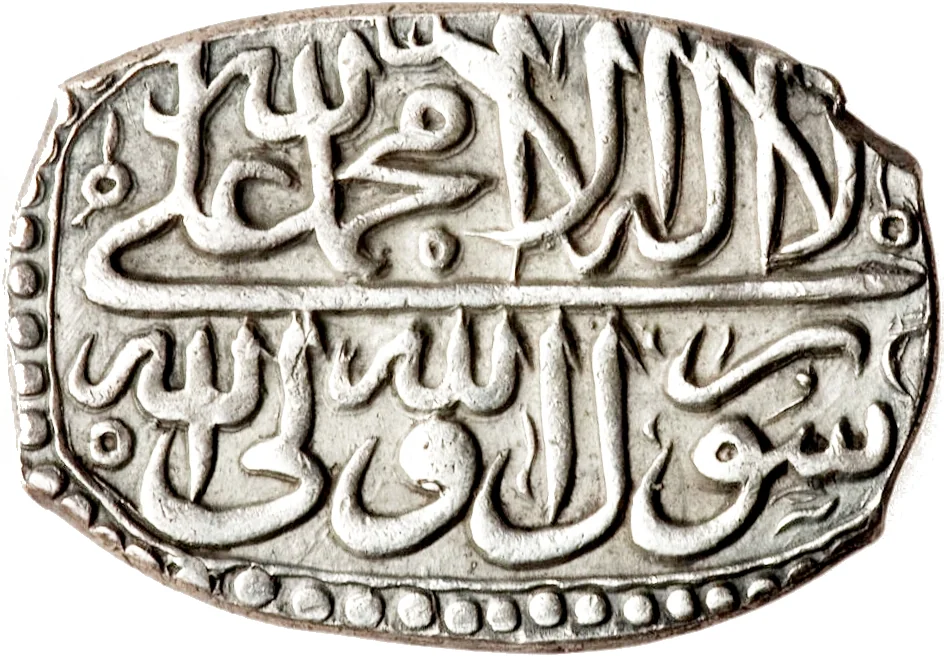
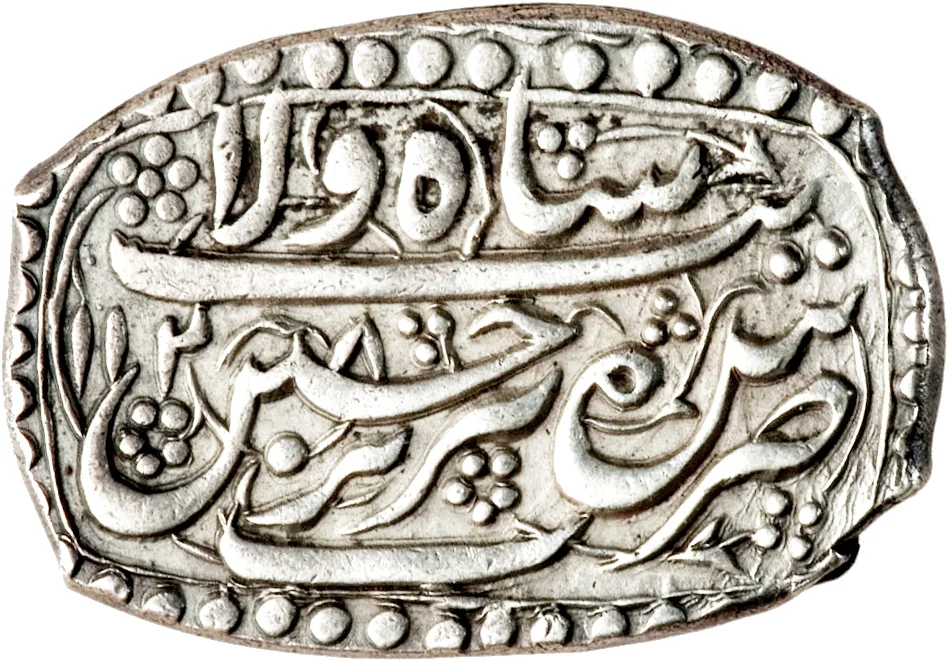
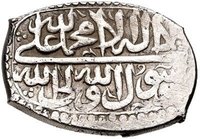
Obverse
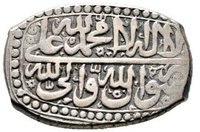
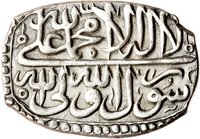
Description:
Shi’a declaration of faith.
Inscription:
لا اله الا الله
محمد رسول الله
علی ولی الله
محمد رسول الله
علی ولی الله
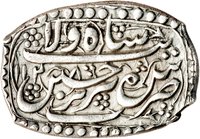
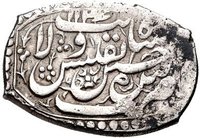
Reverse
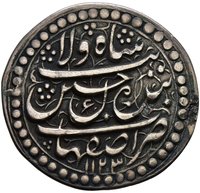
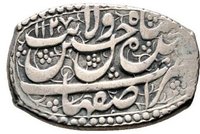
Inscription:
بنده شاه ولایت حسین
ضرب تبریز
۱۱۲۸
ضرب تبریز
۱۱۲۸
Edge
Plain
Mints
| Name | Mark |
|---|---|
| Tebriz | تبریز |
Mintings
| Year | Mint Mark | Mintage | Quality | Collection |
|---|---|---|---|---|
| 1711 | — | — | ||
| 1712 | — | — | ||
| 1714 | — | — | ||
| 1715 | — | — | ||
| 1716 | — | — |
Historical background
In 1711, Iran's currency situation was characterized by instability and debasement, a direct consequence of the waning power and economic mismanagement of the late Safavid dynasty. The empire, under the rule of Shah Sultan Husayn (1694-1722), was in a state of political and military decline, facing tribal rebellions on its borders and a costly, bloated bureaucracy. To finance the court's extravagant expenditures and military campaigns, the royal mint increasingly resorted to reducing the silver content in the primary coin, the abbasi, and other silver denominations like the mohammadi. This practice of debasement eroded public trust in the currency and fueled inflation, particularly in urban markets.
The monetary system itself was complex and fragmented. Coins were struck at various provincial mints (like Isfahan, Tabriz, and Mashhad) with sometimes inconsistent standards, leading to regional variations in value. The currency mix included silver coins for major transactions, copper puls for everyday local trade, and the gold toman as a unit of account. However, the critical shortage of silver, exacerbated by a negative balance of trade and the outflow of specie to pay for imports, forced the government to produce more copper coinage. This flood of copper coins, often of poor quality, further destabilized local economies and caused hardship for common people and soldiers paid in this depreciated currency.
This financial deterioration occurred against a backdrop of severe structural problems. Declining revenues from land taxes due to corrupt provincial governors and a weakening of central control over trade routes undermined the state's fiscal base. The currency crisis of 1711 was therefore a symptom of the broader decay of the Safavid state, which would culminate just over a decade later in the catastrophic Afghan invasion and the fall of Isfahan in 1722, an event precipitated in part by the economic distress and social unrest fueled by monetary instability.
The monetary system itself was complex and fragmented. Coins were struck at various provincial mints (like Isfahan, Tabriz, and Mashhad) with sometimes inconsistent standards, leading to regional variations in value. The currency mix included silver coins for major transactions, copper puls for everyday local trade, and the gold toman as a unit of account. However, the critical shortage of silver, exacerbated by a negative balance of trade and the outflow of specie to pay for imports, forced the government to produce more copper coinage. This flood of copper coins, often of poor quality, further destabilized local economies and caused hardship for common people and soldiers paid in this depreciated currency.
This financial deterioration occurred against a backdrop of severe structural problems. Declining revenues from land taxes due to corrupt provincial governors and a weakening of central control over trade routes undermined the state's fiscal base. The currency crisis of 1711 was therefore a symptom of the broader decay of the Safavid state, which would culminate just over a decade later in the catastrophic Afghan invasion and the fall of Isfahan in 1722, an event precipitated in part by the economic distress and social unrest fueled by monetary instability.
✨ Legendary