

4 shahi – Iran
Add to wishlist
Iran
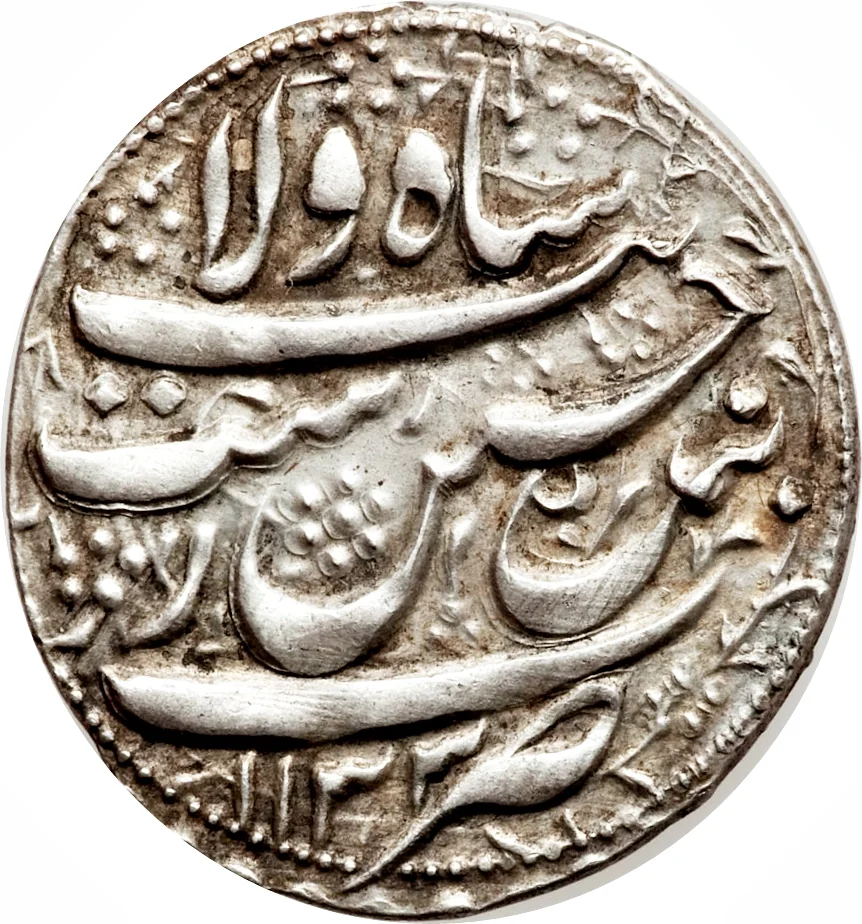
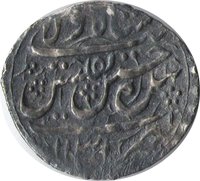
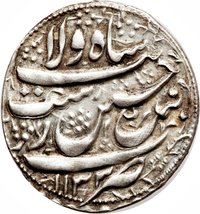
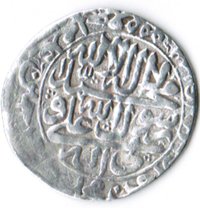
Obverse
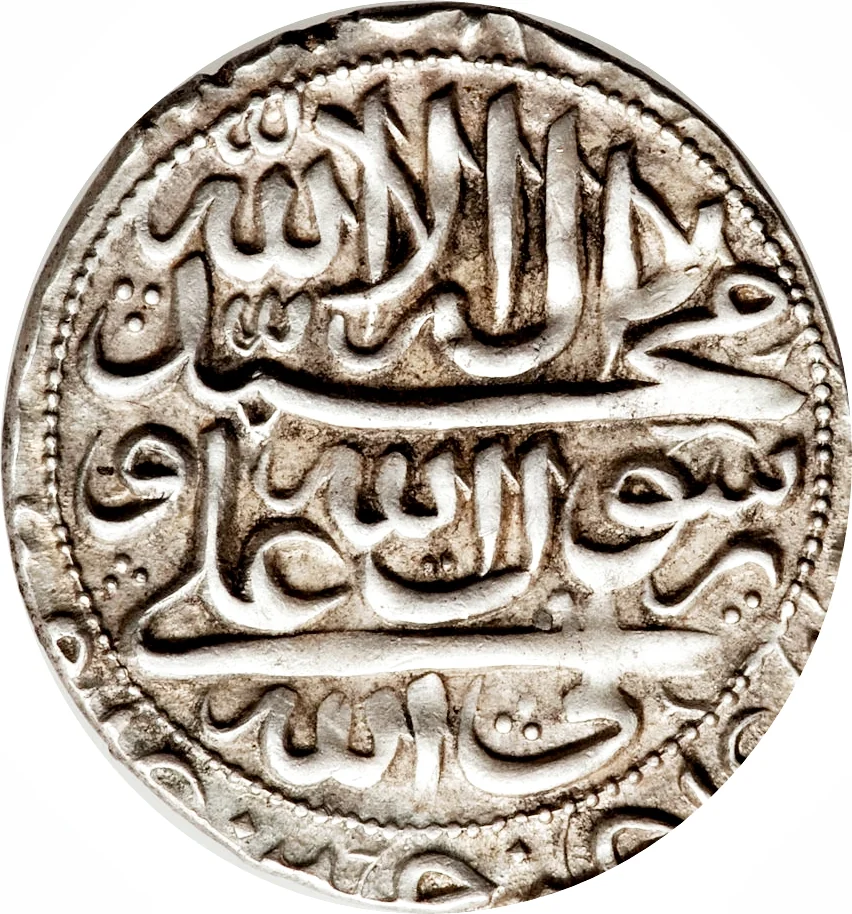
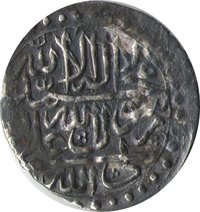
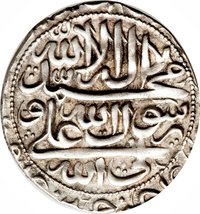
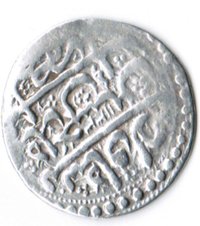
Reverse
Edge
Mints
| Name | Mark |
|---|---|
| Dar al-Marz Rasht | — |
Mintings
| Year | Mint Mark | Mintage | Quality | Collection |
|---|---|---|---|---|
| 1719 | — | — | ||
| 1720 | — | — | ||
| 1721 | — | — |
Historical background
In 1719, the Safavid Empire was in a state of advanced economic and political decay, which was starkly reflected in its chaotic currency situation. The reign of Sultan Husayn (1694–1722), a weak and disinterested ruler, allowed for rampant corruption and mismanagement. The state treasury was depleted by excessive court expenditure, royal gifts, and the costly maintenance of a large, inactive military. To meet these obligations, the government resorted to the debasement of the silver coinage, the ʿabbāsi, by reducing its silver content and weight. This practice, while providing short-term liquidity, eroded public trust and the very foundation of the monetary system.
The currency crisis was exacerbated by a severe shortage of silver, the primary metal for high-value coinage. This was caused by both internal and external factors: a sharp decline in the lucrative silk trade with Europe reduced the inflow of silver bullion, while neighboring powers like the Ottoman Empire and the Russian Tsardom implemented policies to attract Persian silver, further draining reserves. Within Iran, provincial governors and mint masters often operated with significant autonomy, issuing coins of varying and unreliable standards, which fragmented the national currency and hampered commerce.
Consequently, the year 1719 saw a period of intense monetary instability characterized by rapidly rising prices, a loss of confidence in the central mint, and the hoarding of older, purer coins (Gresham’s Law in action). This economic distress compounded existing social grievances and tribal unrest, particularly on the empire’s frontiers. The degraded currency thus was both a symptom and a catalyst of the broader collapse, which would culminate just three years later in the Afghan invasion and the fall of Isfahan, ending Safavid rule.
The currency crisis was exacerbated by a severe shortage of silver, the primary metal for high-value coinage. This was caused by both internal and external factors: a sharp decline in the lucrative silk trade with Europe reduced the inflow of silver bullion, while neighboring powers like the Ottoman Empire and the Russian Tsardom implemented policies to attract Persian silver, further draining reserves. Within Iran, provincial governors and mint masters often operated with significant autonomy, issuing coins of varying and unreliable standards, which fragmented the national currency and hampered commerce.
Consequently, the year 1719 saw a period of intense monetary instability characterized by rapidly rising prices, a loss of confidence in the central mint, and the hoarding of older, purer coins (Gresham’s Law in action). This economic distress compounded existing social grievances and tribal unrest, particularly on the empire’s frontiers. The degraded currency thus was both a symptom and a catalyst of the broader collapse, which would culminate just three years later in the Afghan invasion and the fall of Isfahan, ending Safavid rule.
✨ Legendary