

Iran
Context
Material
References
KM: #Click to copy to clipboard282.2a
Numista: #88607
Value
Bullion value: $13.05
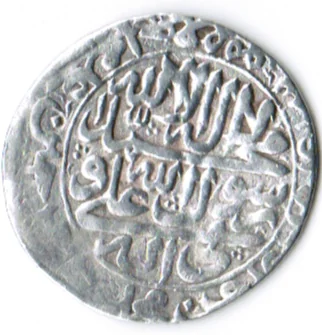
Obverse
Description:
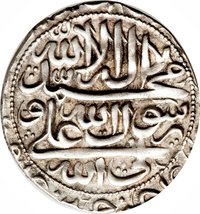
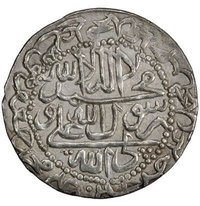
Shia Kalima encircled by the names of the Twelve Imams.
Inscription:
لا اله الا الله
محمد رسول الله
علی ولی الله
علی حسن حسین علی محمد جعفر موسی علی محمد علی حسن محمد
محمد رسول الله
علی ولی الله
علی حسن حسین علی محمد جعفر موسی علی محمد علی حسن محمد
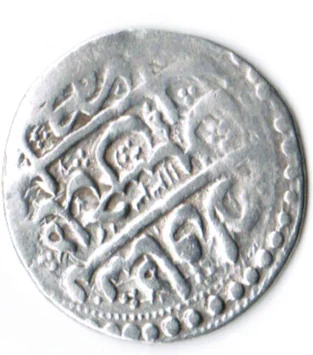
Reverse
Inscription:
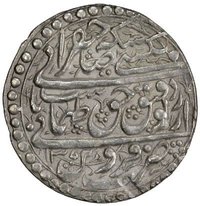
بنده شاه ولایت حسین
ضرب اصفهان
۱۱۳۳
ضرب اصفهان
۱۱۳۳
Edge
Mints
| Name | Mark |
|---|---|
| Isfahan | اصفهان |
Mintings
| Year | Mint Mark | Mintage | Quality | Collection |
|---|---|---|---|---|
| 1721 | — | — | ||
| — | — | — | ||
| 1722 | — | — |
Historical background
In 1721, Iran's currency system was in a state of severe crisis, a direct consequence of the political and military collapse of the Safavid Empire. Decades of weak leadership, economic mismanagement, and rampant corruption had drained the state treasury. To finance endless wars, court extravagance, and provincial revolts, successive Shahs had resorted to the disastrous practice of debasing the silver coinage, the abbasi, by steadily reducing its precious metal content while maintaining its face value. This created a classic inflationary spiral, destroying public trust in the currency and causing prices for basic goods to soar, crippling both trade and the livelihoods of ordinary citizens.
The situation was exacerbated by acute external pressures. In 1721, the empire was in the midst of the Hotaki Afghan invasion, which had captured the capital, Isfahan, the following year. The collapse of central authority meant that provincial governors and mint masters began issuing their own coinage with little standardization, further fragmenting the monetary system. Simultaneously, the sharp decline in security devastated long-distance trade, particularly the vital silk trade, which had traditionally brought significant silver and gold into the country. With this inflow severed and the treasury looted by invaders, the state had no reserves to restore a sound currency.
Consequently, the monetary landscape was one of chaos and multiplicity. In markets, heavy, full-weight older coins were hoarded or traded at a premium, while the newer, debased coins circulated at a steep discount. Foreign coins, like Ottoman and Mughal rupees and Dutch ducatons, often circulated more freely than domestic currency due to their reliable silver and gold content. The currency crisis of 1721 was therefore not an isolated financial event but a profound symptom of the complete disintegration of Safavid political and economic structures, paving the way for decades of instability until Nader Shah's eventual consolidation of power.
The situation was exacerbated by acute external pressures. In 1721, the empire was in the midst of the Hotaki Afghan invasion, which had captured the capital, Isfahan, the following year. The collapse of central authority meant that provincial governors and mint masters began issuing their own coinage with little standardization, further fragmenting the monetary system. Simultaneously, the sharp decline in security devastated long-distance trade, particularly the vital silk trade, which had traditionally brought significant silver and gold into the country. With this inflow severed and the treasury looted by invaders, the state had no reserves to restore a sound currency.
Consequently, the monetary landscape was one of chaos and multiplicity. In markets, heavy, full-weight older coins were hoarded or traded at a premium, while the newer, debased coins circulated at a steep discount. Foreign coins, like Ottoman and Mughal rupees and Dutch ducatons, often circulated more freely than domestic currency due to their reliable silver and gold content. The currency crisis of 1721 was therefore not an isolated financial event but a profound symptom of the complete disintegration of Safavid political and economic structures, paving the way for decades of instability until Nader Shah's eventual consolidation of power.
✨ Legendary