

Iran
Context
Material
References
KM: #Click to copy to clipboard352.3
Numista: #62335
Value
Bullion value: $13.19
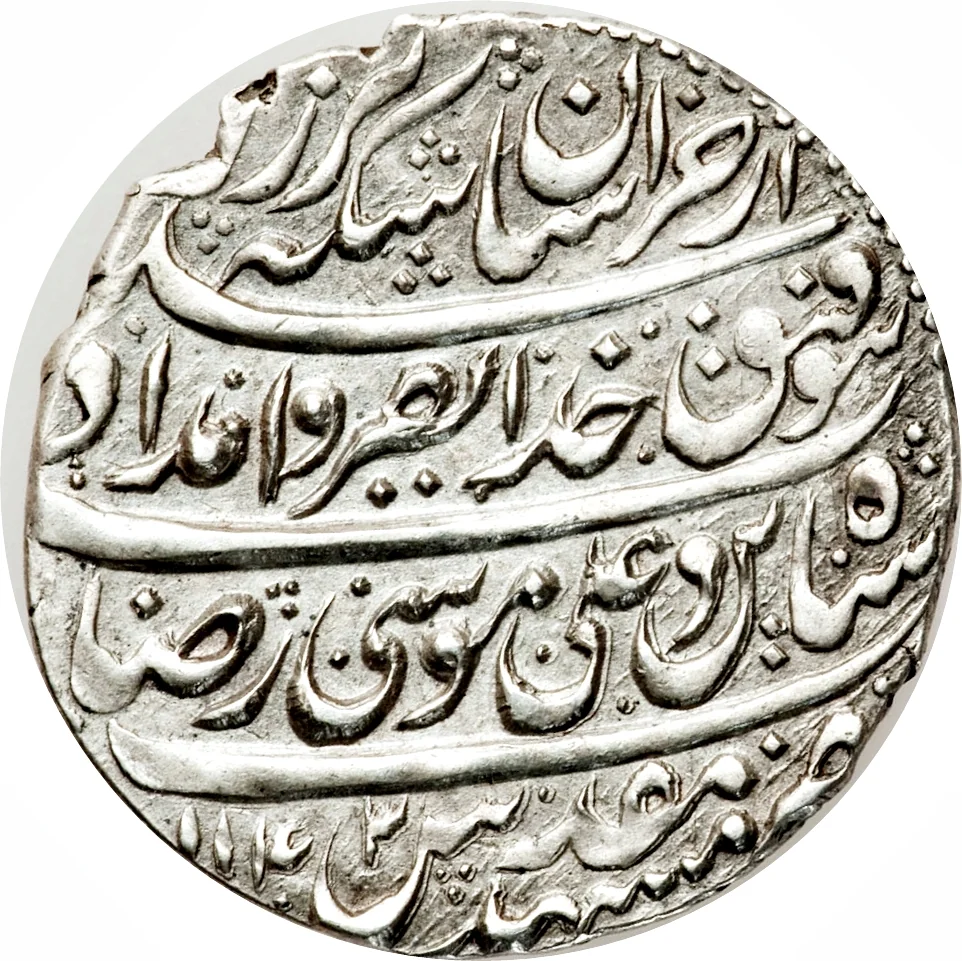
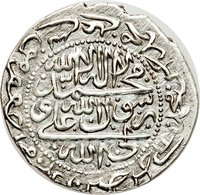
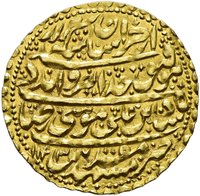
Obverse
Inscription:
از خراسان سکه بر زر شد بتوفیق خدا
نصرت و امداد شاه دین علی موسی رضا
ضرب مشهد مقدس ۱۱۴۲
نصرت و امداد شاه دین علی موسی رضا
ضرب مشهد مقدس ۱۱۴۲
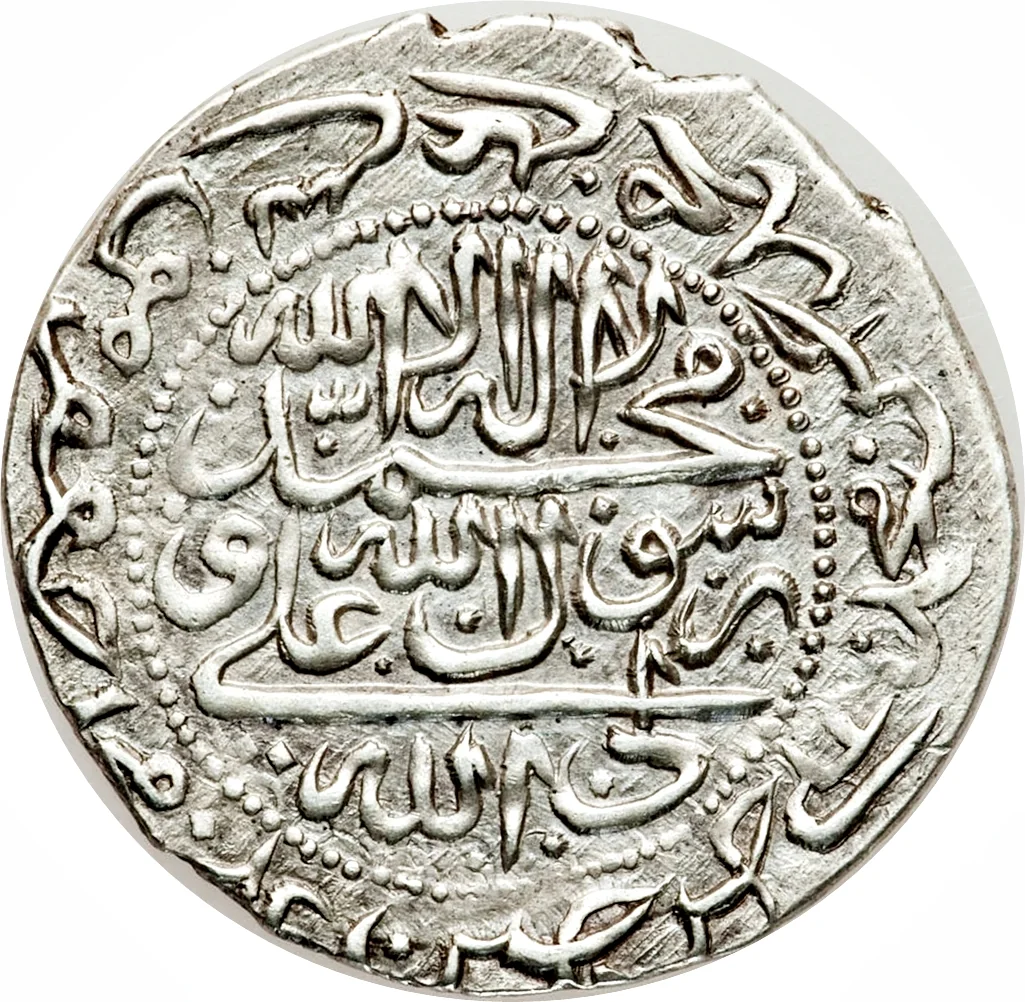
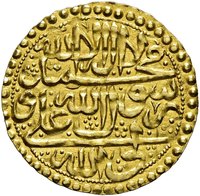
Reverse
Inscription:
لا اله الا الله
محمد رسول الله
علی ولی الله
علی حسن حسین علی محمد جعفر موسی علی محمد علی حسن محمد
محمد رسول الله
علی ولی الله
علی حسن حسین علی محمد جعفر موسی علی محمد علی حسن محمد
Edge
Plain
Mints
| Name | Mark |
|---|---|
| Mashhad Muqaddas | — |
Mintings
| Year | Mint Mark | Mintage | Quality | Collection |
|---|---|---|---|---|
| 1731 | — | — | ||
| 1732 | — | — | ||
| 1733 | — | — | ||
| 1734 | — | — | ||
| 1735 | — | — | ||
| 1736 | — | — |
Historical background
In 1731, Iran's currency situation was characterized by instability and transition, a direct consequence of the turbulent political landscape. The Safavid Empire, which had maintained a relatively stable silver-based currency system for two centuries, was in its final years of collapse. The Afghan Hotaki dynasty had captured Isfahan in 1722, plunging the country into a period of fragmentation and warfare that severely disrupted the economy and the state's control over minting. This political chaos led to a breakdown in the standardized monetary system, with various regional rulers and invaders issuing their own, often debased, coinage, causing significant confusion and loss of confidence in the currency.
The primary circulating coin was the silver abbasi, but its weight and purity were no longer reliably uniform. The central minting authority had effectively dissolved, leading to a proliferation of provincial mints producing coins of varying quality. Furthermore, the immense cost of continuous military campaigns drained state coffers, prompting authorities to frequently debase the coinage by reducing its silver content to finance their efforts. This practice triggered inflation and drove older, purer coins out of circulation, as they were either hoarded or melted down, a classic example of Gresham's Law in action.
Looking forward, the currency chaos of 1731 would soon be addressed by the rising power of Nader Shah. Within a few years, he would begin consolidating power, eventually founding the Afsharid dynasty in 1736. A key part of his project to restore the Iranian state would involve the re-establishment of a centralized and standardized monetary system. Therefore, the situation in 1731 represents the nadir of monetary disorder, immediately preceding a forceful, though ultimately temporary, re-imposition of state control over currency under a new imperial power.
The primary circulating coin was the silver abbasi, but its weight and purity were no longer reliably uniform. The central minting authority had effectively dissolved, leading to a proliferation of provincial mints producing coins of varying quality. Furthermore, the immense cost of continuous military campaigns drained state coffers, prompting authorities to frequently debase the coinage by reducing its silver content to finance their efforts. This practice triggered inflation and drove older, purer coins out of circulation, as they were either hoarded or melted down, a classic example of Gresham's Law in action.
Looking forward, the currency chaos of 1731 would soon be addressed by the rising power of Nader Shah. Within a few years, he would begin consolidating power, eventually founding the Afsharid dynasty in 1736. A key part of his project to restore the Iranian state would involve the re-establishment of a centralized and standardized monetary system. Therefore, the situation in 1731 represents the nadir of monetary disorder, immediately preceding a forceful, though ultimately temporary, re-imposition of state control over currency under a new imperial power.

✨ Legendary