

Iran
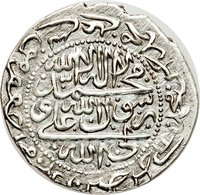
Obverse
Description:
The Shi'ia Kalima encircled by the names of the Twelve Imams.
Inscription:
لا اله الا الله
محمد رسول الله
علی ولی الله
محمد رسول الله
علی ولی الله
Script: Persian
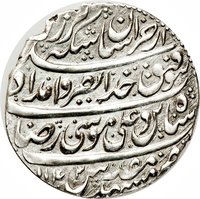
Reverse
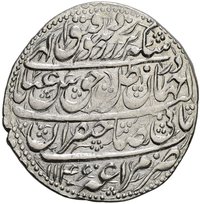
Inscription:
سکه بر زر زد بتوفیق الهی در جهان
ظل حق عباس ثالث ثانی صاحبقران
۱۱۴٧
ضرب قزوین
ظل حق عباس ثالث ثانی صاحبقران
۱۱۴٧
ضرب قزوین
Script: Persian (nastaliq)
Edge
Mints
| Name | Mark |
|---|---|
| Qazwin | قزوین |
Mintings
| Year | Mint Mark | Mintage | Quality | Collection |
|---|---|---|---|---|
| 1732 | — | — | ||
| 1734 | — | — | ||
| 1735 | — | — |
Historical background
In 1732, Iran’s currency system was in a state of profound crisis, a direct consequence of the political and military turmoil following the collapse of the Safavid dynasty. The Afghan Hotaki invasion in 1722 had sacked Isfahan, decimating the central treasury and disrupting the vital silver and copper coinage that underpinned the economy. This power vacuum and the ensuing decades of conflict between the Hotaks, resurgent Safavid loyalists, the Ottomans, and the Russians led to widespread provincial minting of debased and irregular coinage, causing severe inflation and a loss of public trust in the monetary system.
The primary currency unit was the silver abbasi, but its weight and purity varied wildly depending on which regional warlord or governor struck the coins. The urgent need to pay armies meant that authorities frequently reduced the silver content of new coins while demanding taxes in older, purer coins, a practice that drained sound money from circulation. This period is often described as one of “monetary chaos,” where the value of coinage was tied more to the fleeting authority of the minter than to any reliable standard, crippling long-distance trade and creating economic hardship.
This unstable environment set the stage for the monetary reforms that would follow under Nader Shah Afshar, who was consolidating power during this very period. By 1732, he was actively campaigning to expel the Ottomans and Afghans, and his eventual success would lead him to centralize minting operations in the 1730s and 1740s. Therefore, the currency situation of 1732 represents the nadir of the post-Safavid collapse, a disordered interlude that the nascent Afsharid dynasty would seek to rectify through forceful reunification and the reimposition of a standardized imperial coinage.
The primary currency unit was the silver abbasi, but its weight and purity varied wildly depending on which regional warlord or governor struck the coins. The urgent need to pay armies meant that authorities frequently reduced the silver content of new coins while demanding taxes in older, purer coins, a practice that drained sound money from circulation. This period is often described as one of “monetary chaos,” where the value of coinage was tied more to the fleeting authority of the minter than to any reliable standard, crippling long-distance trade and creating economic hardship.
This unstable environment set the stage for the monetary reforms that would follow under Nader Shah Afshar, who was consolidating power during this very period. By 1732, he was actively campaigning to expel the Ottomans and Afghans, and his eventual success would lead him to centralize minting operations in the 1730s and 1740s. Therefore, the currency situation of 1732 represents the nadir of the post-Safavid collapse, a disordered interlude that the nascent Afsharid dynasty would seek to rectify through forceful reunification and the reimposition of a standardized imperial coinage.
✨ Legendary