

1 Ashrafi – Iran
Iran
Context
Year: 1730
Islamic (Hijri) Year: 1143
Issuer: Iran 
Ruler: Nader Afshar
Currency:
(1501—1798)
Demonetized: Yes
Material
Weight: 3.35 g
Gold weight: 3.35 g
Shape: Irregular round
Composition: Gold
Magnetic: No
Technique: Hammered
References
KM: #Click to copy to clipboard353
Numista: #412502
Value
Bullion value: $558.77
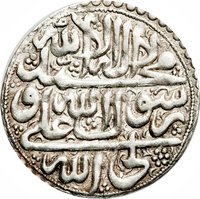
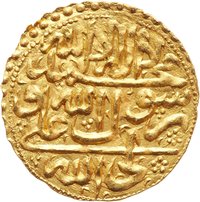
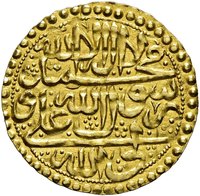
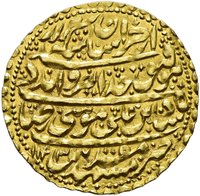
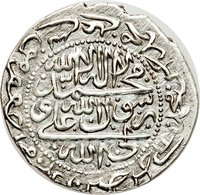
Obverse
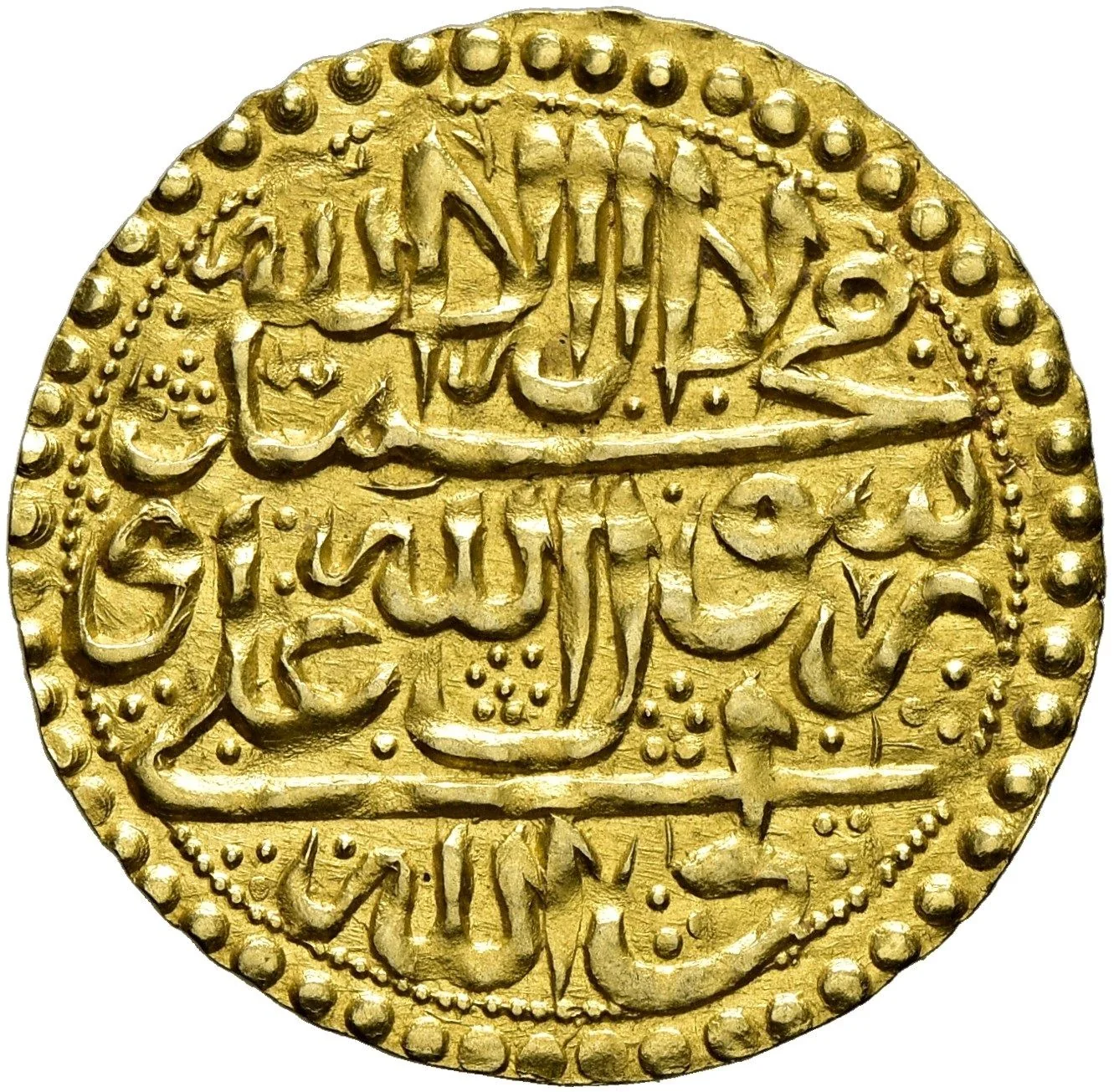
Description:
Three-line inscription.
Inscription:
لا اله الا الله
محمد رسول الله
علی ولی الله
محمد رسول الله
علی ولی الله
Script: Persian (nastaliq)
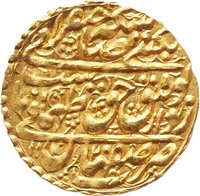
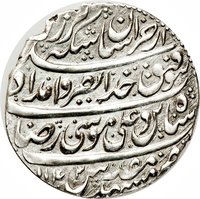
Reverse
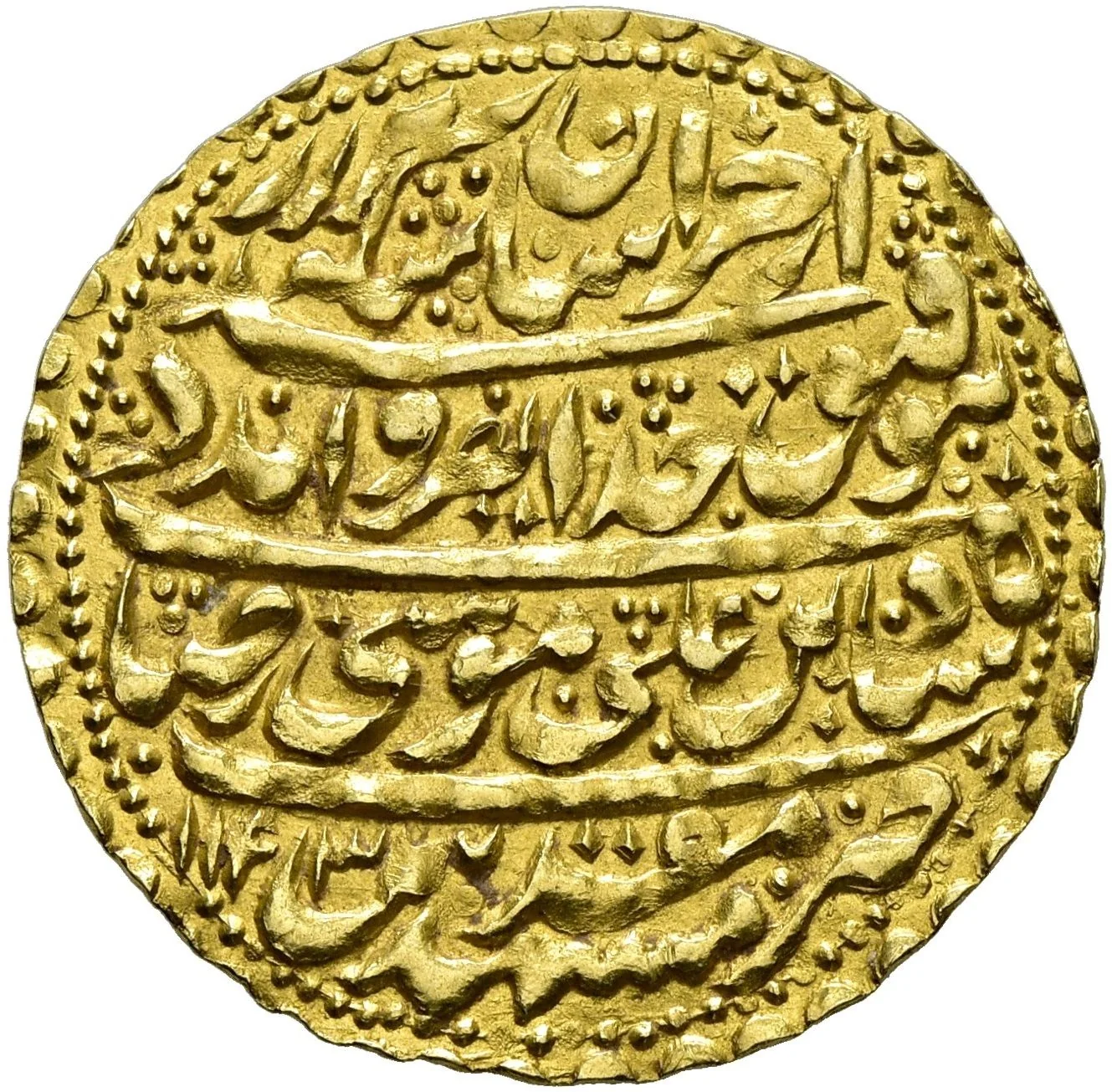
Description:
Four lines, date left of bottom.
Inscription:
از خراسان سکه بر زر شد بتوفیق خدا
نصرت و امداد شاه دین علی موسی رضا
ضرب مشهد مقدس
۱۱۴۳
نصرت و امداد شاه دین علی موسی رضا
ضرب مشهد مقدس
۱۱۴۳
Script: Persian (nastaliq)
Edge
Plain
Mints
| Name | Mark |
|---|---|
| Mashhad Muqaddas | مشهد |
Mintings
| Year | Mint Mark | Mintage | Quality | Collection |
|---|---|---|---|---|
| 1730 | — | — |
Historical background
In 1730, Iran was in the midst of a profound monetary and economic crisis, a direct consequence of the turbulent fall of the Safavid dynasty. The Afghan Hotaki invasion, culminating in the siege of Isfahan in 1722, had shattered the centralized state and its economic structures. The royal mints, which had once produced a relatively stable silver currency (the abbasi and its fractions), ceased to function consistently. This collapse of central authority led to widespread hoarding of full-weight silver coins, while the circulation of debased and clipped coinage became rampant, creating severe uncertainty in trade and devaluing the currency.
The monetary landscape was further fragmented by regional powers. Following the Safavid collapse, various claimants and local rulers, including the Afghans in Isfahan, the Ottomans in the west, and the Russians in the north, issued their own coinage to finance their armies and administrations. This resulted in a bewildering variety of coins of differing weights and purities circulating simultaneously, with their value often dictated by the military strength of the issuer rather than intrinsic silver content. The lack of a unified monetary standard severely hampered inter-regional commerce and eroded public trust in the coinage.
This chaotic currency situation was a key challenge for Nader Qoli Beg (the future Nader Shah), who was rapidly rising to power in 1730. As he campaigned to expel the Ottomans and Afghans and reunify the country, securing reliable revenue was paramount. Nader began to address the crisis by capturing key cities and their mints, using seized bullion to strike new coins in his own name, thereby asserting his growing political authority through monetary means. His actions in 1730 laid the groundwork for the more comprehensive, though ultimately unstable, monetary reforms he would implement after his coronation in 1736, aiming to restore a single imperial currency for a reunited empire.
The monetary landscape was further fragmented by regional powers. Following the Safavid collapse, various claimants and local rulers, including the Afghans in Isfahan, the Ottomans in the west, and the Russians in the north, issued their own coinage to finance their armies and administrations. This resulted in a bewildering variety of coins of differing weights and purities circulating simultaneously, with their value often dictated by the military strength of the issuer rather than intrinsic silver content. The lack of a unified monetary standard severely hampered inter-regional commerce and eroded public trust in the coinage.
This chaotic currency situation was a key challenge for Nader Qoli Beg (the future Nader Shah), who was rapidly rising to power in 1730. As he campaigned to expel the Ottomans and Afghans and reunify the country, securing reliable revenue was paramount. Nader began to address the crisis by capturing key cities and their mints, using seized bullion to strike new coins in his own name, thereby asserting his growing political authority through monetary means. His actions in 1730 laid the groundwork for the more comprehensive, though ultimately unstable, monetary reforms he would implement after his coronation in 1736, aiming to restore a single imperial currency for a reunited empire.
✨ Legendary