

Iran
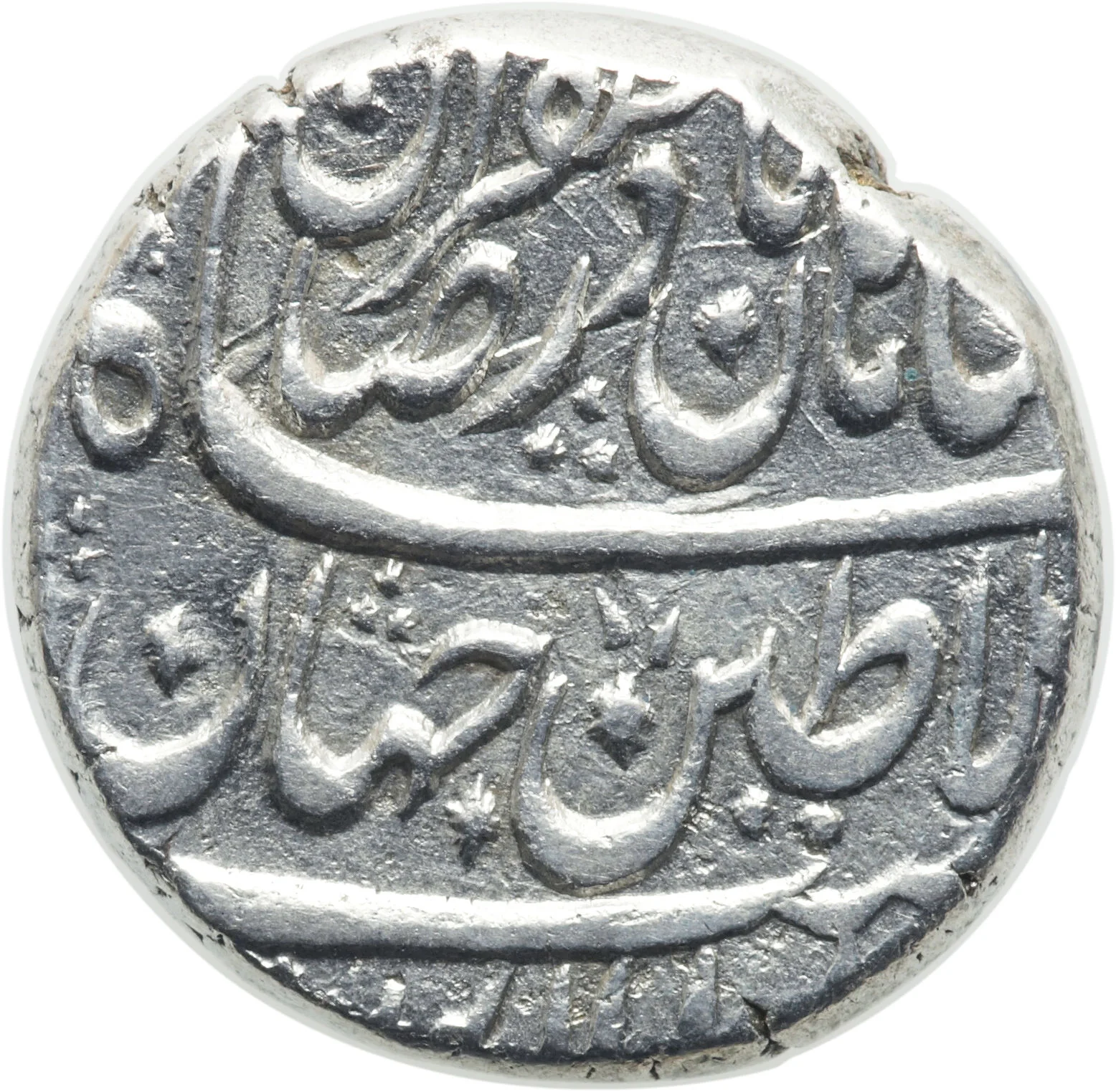
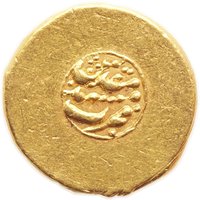
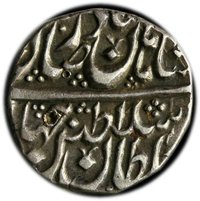
Obverse
Inscription:
هست سلطان بر سلاطین جهان
شاه شاهان نادر صاحبقران
شاه شاهان نادر صاحبقران
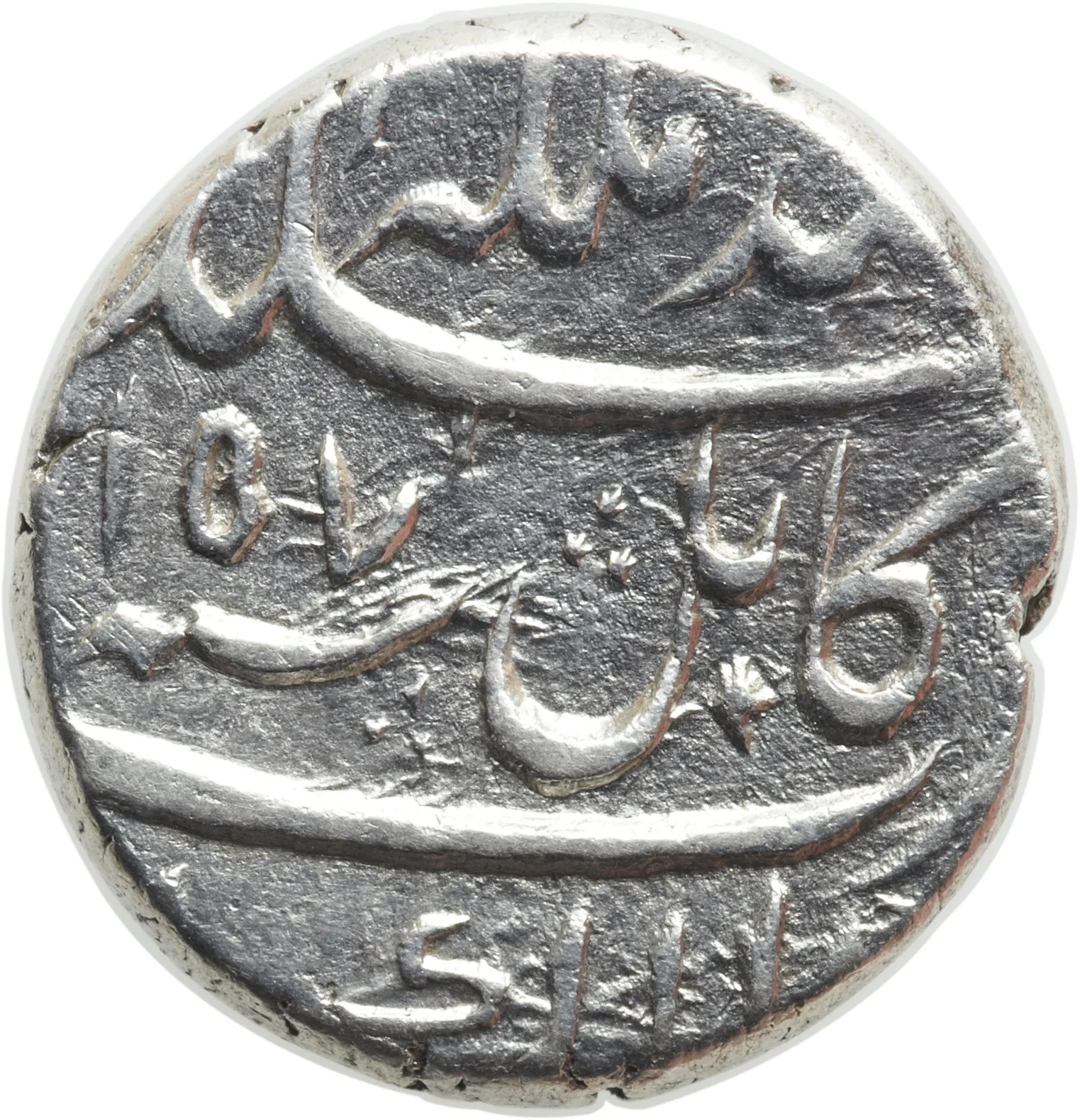
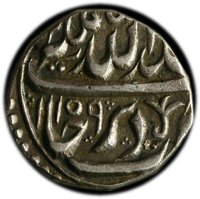
Reverse
Inscription:
خـــلد الله ملکه
ضرب کابل سنه ۱۱٥۷
ضرب کابل سنه ۱۱٥۷
Edge
Plain
Mints
| Name | Mark |
|---|---|
| Kabul | — |
Mintings
| Year | Mint Mark | Mintage | Quality | Collection |
|---|---|---|---|---|
| 1744 | — | — | ||
| 1745 | — | — | ||
| 1746 | — | — | ||
| 1747 | — | — |
Historical background
In 1744, Iran's currency system was under severe strain, a direct consequence of the turbulent final years of the Safavid dynasty's collapse two decades prior. The Afghan invasion of 1722 had shattered the centralized state, plunging the country into decades of civil war, foreign occupation, and fractured rule by competing warlords and dynasts like Nader Shah Afshar. The once-reliable Safavid silver abbasi and gold toman had seen widespread debasement, as various regional mints struck coins of inconsistent weight and purity to fund military campaigns, destroying public trust in the currency's value.
The situation was further complicated by Nader Shah's own monumental military expenditures. Having consolidated power by 1744, he was financing his vast army—which included costly modern artillery and European advisors—through heavy taxation and the systematic plunder of conquered territories, most notably his devastating 1739 invasion of India. While the loot from Delhi (including the famed Koh-i-Noor diamond and the Peacock Throne) filled the state coffers with precious metals, it did not translate into a stable, standardized coinage for the domestic economy. Instead, the influx of bullion was primarily used to pay soldiers and fund further conquests, creating inflationary pressures without establishing monetary stability.
Consequently, the Iranian economy in 1744 operated on a precarious and fragmented monetary base. Transactions relied on a confusing mix of old Safavid coins, new but irregular Afsharid issues, and a variety of foreign currencies, particularly Ottoman and Mughal coins, circulating in border regions. The lack of a uniform, trusted currency hindered trade and taxation, reflecting the broader political reality of a nation still struggling to rebuild a unified administrative structure from the ruins of the Safavid empire, even under a militarily powerful but financially extractive ruler like Nader Shah.
The situation was further complicated by Nader Shah's own monumental military expenditures. Having consolidated power by 1744, he was financing his vast army—which included costly modern artillery and European advisors—through heavy taxation and the systematic plunder of conquered territories, most notably his devastating 1739 invasion of India. While the loot from Delhi (including the famed Koh-i-Noor diamond and the Peacock Throne) filled the state coffers with precious metals, it did not translate into a stable, standardized coinage for the domestic economy. Instead, the influx of bullion was primarily used to pay soldiers and fund further conquests, creating inflationary pressures without establishing monetary stability.
Consequently, the Iranian economy in 1744 operated on a precarious and fragmented monetary base. Transactions relied on a confusing mix of old Safavid coins, new but irregular Afsharid issues, and a variety of foreign currencies, particularly Ottoman and Mughal coins, circulating in border regions. The lack of a uniform, trusted currency hindered trade and taxation, reflecting the broader political reality of a nation still struggling to rebuild a unified administrative structure from the ruins of the Safavid empire, even under a militarily powerful but financially extractive ruler like Nader Shah.
✨ Legendary