

Iran
Context
Material
References
KM: #Click to copy to clipboard394
Numista: #61471
Value
Bullion value: $33.28
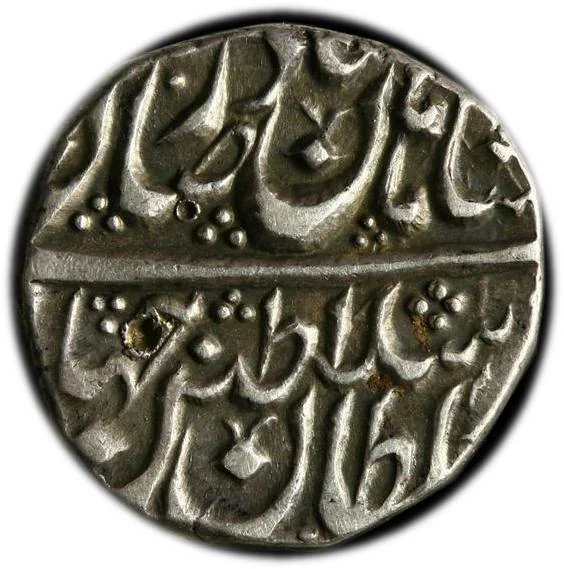
Obverse
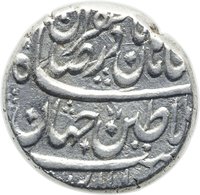
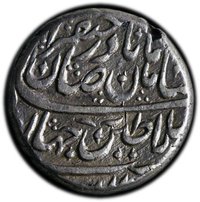
Inscription:
هست سُلطان بر سلاطین جهان
شاه شاهان نادر صاحبقران
شاه شاهان نادر صاحبقران
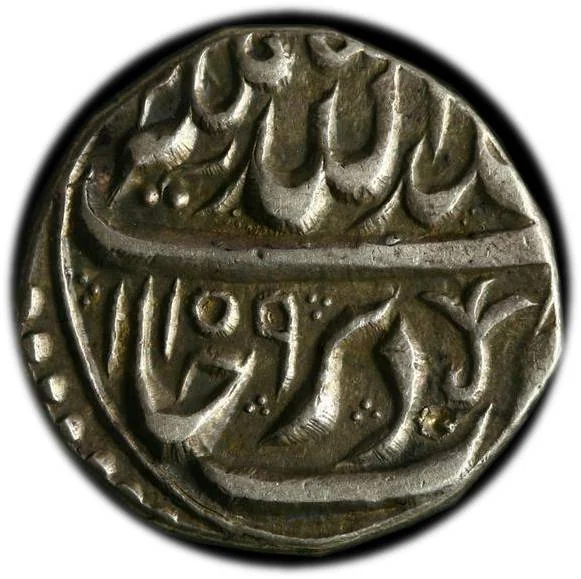
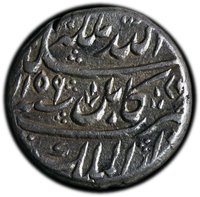
Reverse
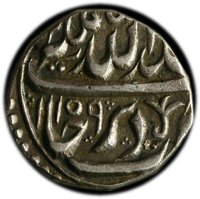
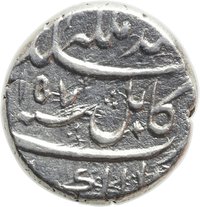
Inscription:
خلد الله ملکه
ضرب دیرجات
۱۱٥٩
ضرب دیرجات
۱۱٥٩
Edge
Plain
Mintings
| Year | Mint Mark | Mintage | Quality | Collection |
|---|---|---|---|---|
| 1746 | — | — | ||
| 1747 | — | — |
Historical background
In 1746, Iran was under the rule of Nader Shah Afshar, a period marked by immense military conquest and profound economic strain. Nader Shah’s relentless campaigns, particularly his devastating invasion of Mughal India in 1739, had flooded the empire with plundered wealth, including vast quantities of gold and jewels. However, this influx did not translate into a stable monetary system. Instead, the treasury was primarily focused on funding the Shah’s enormous standing army, leaving little for sound economic management or the minting of a reliable, standardized currency across the empire.
The currency situation was characterized by extreme debasement and regional inconsistency. To finance his endless wars, Nader Shah repeatedly reduced the silver content of the primary silver coin, the abbasi, and its fractional units. This led to severe inflation, a loss of public confidence in the coinage, and widespread economic hardship. Furthermore, while the official currency was the abbasi, in practice, a混乱 of older Safavid-era coins, regional issues, and foreign currencies like the Ottoman piastre and Indian rupee remained in circulation, complicating trade and taxation.
By 1746, the system was in decay. Nader Shah, increasingly paranoid and despotic, was assassinated just two years later in 1748. His death would plunge Iran into decades of civil war, fragmenting the monetary system entirely as rival warlords and subsequent dynasties (the Zands and Qajars) struck their own coinage. Thus, the currency situation in 1746 represents the final, inflationary chapter of a coercive military economy, poised on the brink of complete disintegration following the collapse of central authority.
The currency situation was characterized by extreme debasement and regional inconsistency. To finance his endless wars, Nader Shah repeatedly reduced the silver content of the primary silver coin, the abbasi, and its fractional units. This led to severe inflation, a loss of public confidence in the coinage, and widespread economic hardship. Furthermore, while the official currency was the abbasi, in practice, a混乱 of older Safavid-era coins, regional issues, and foreign currencies like the Ottoman piastre and Indian rupee remained in circulation, complicating trade and taxation.
By 1746, the system was in decay. Nader Shah, increasingly paranoid and despotic, was assassinated just two years later in 1748. His death would plunge Iran into decades of civil war, fragmenting the monetary system entirely as rival warlords and subsequent dynasties (the Zands and Qajars) struck their own coinage. Thus, the currency situation in 1746 represents the final, inflationary chapter of a coercive military economy, poised on the brink of complete disintegration following the collapse of central authority.
✨ Legendary