

Iran
Context

Material
Weight: 11.34 g
Gold weight: 11.34 g
Shape: Irregular round
Composition: Gold
Magnetic: No
Alignment: Coin alignment
flip
References
KM: #Click to copy to clipboard389.2
Numista: #62337
Value
Bullion value: $1893.68
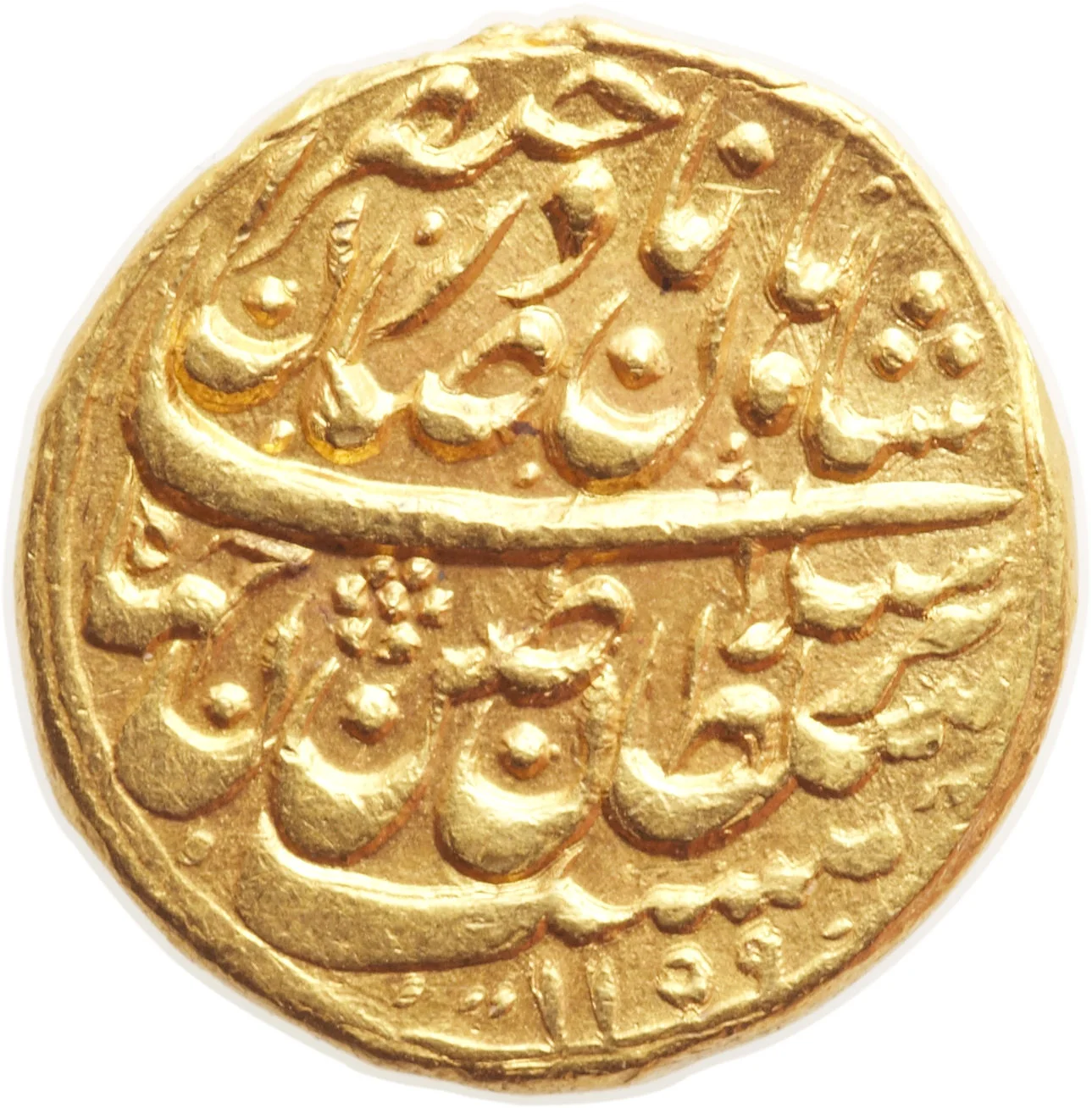
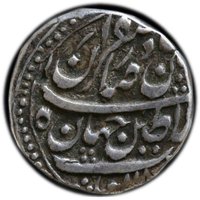
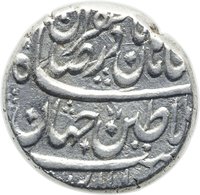
Obverse
Inscription:
هست سلطان بر سلاطین جهان
شاه شاهان نادر صاحبقران
۱۱٥۹
شاه شاهان نادر صاحبقران
۱۱٥۹
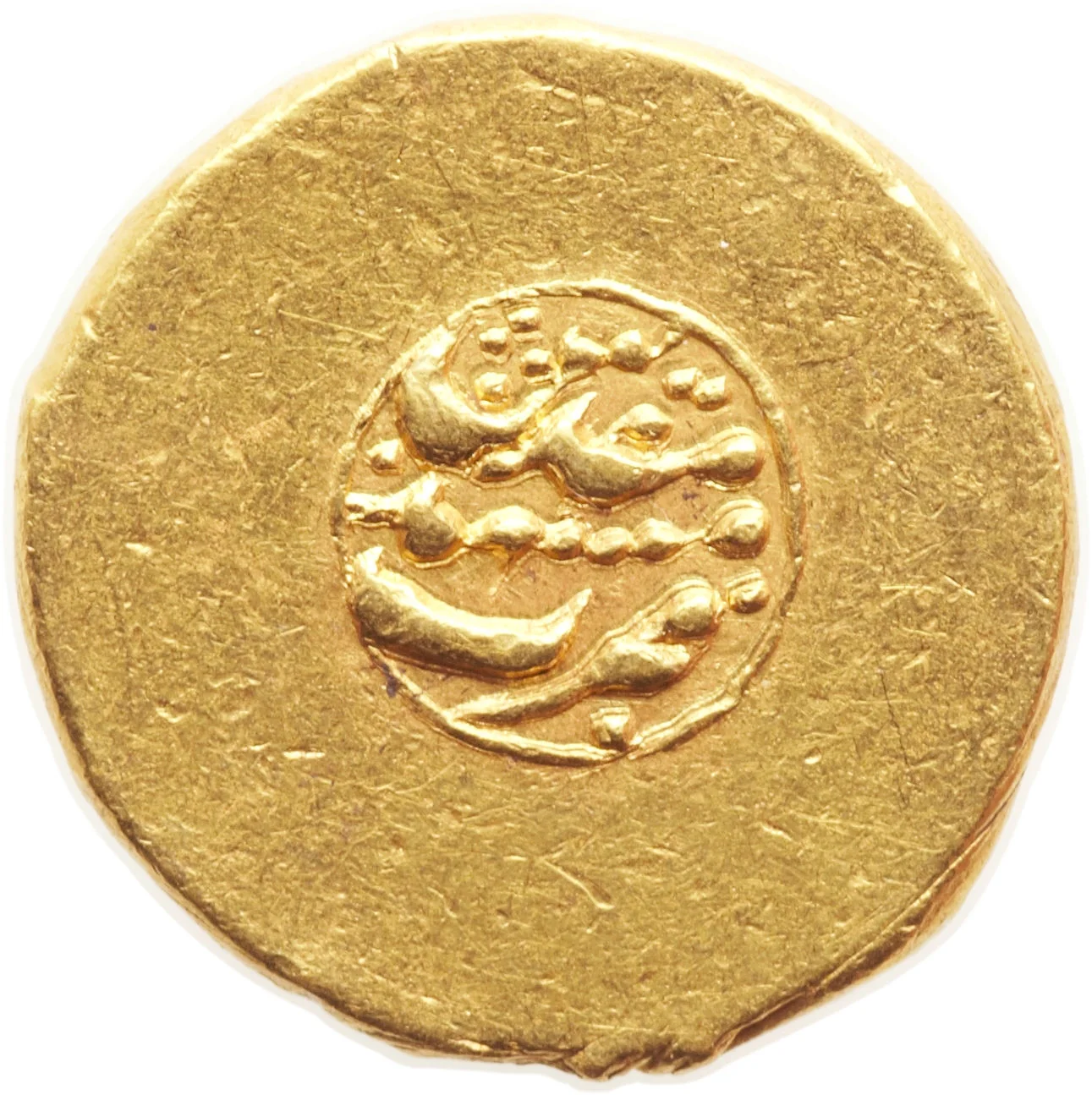
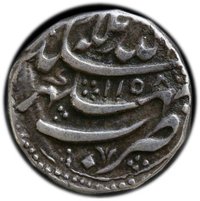
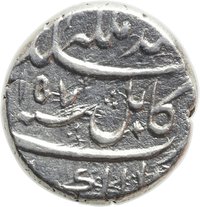
Reverse
Inscription:
ضرب مشهد مقدس
Edge
Plain
Mints
| Name | Mark |
|---|---|
| Mashhad Muqaddas | — |
Mintings
| Year | Mint Mark | Mintage | Quality | Collection |
|---|---|---|---|---|
| 1743 | — | — | ||
| 1744 | — | — |
Historical background
In 1743, Iran was under the rule of Nader Shah Afshar, a period marked by immense military conquest and profound economic strain. The state's finances were overwhelmingly directed toward funding the Shah's vast armies and continuous campaigns, most notably his disastrous invasion of the Mughal Empire in 1738-39. While that campaign had yielded the legendary plunder of Delhi, including the Koh-i-Noor diamond and the Peacock Throne, the short-term influx of treasure had been largely spent or distributed to the army by 1743, failing to establish a sustainable fiscal foundation.
The currency system itself was in a state of severe debasement and confusion. To meet his enormous expenditures, Nader Shah repeatedly reduced the silver content of the primary silver coin, the abbasi, and its fractional units. This led to rampant inflation, a loss of public confidence in the coinage, and chaotic exchange rates between older, purer coins and the new, debased issues. The situation was exacerbated by a shortage of precious metals, as continuous war disrupted trade and mining, while the outflow of specie to pay for foreign military supplies and specialists further drained the treasury.
Consequently, the monetary situation in 1743 was a key symptom of a deeper crisis: an extractive war economy that prioritized immediate military needs over long-term stability. The debased currency eroded the economy, burdened the peasantry and merchants with unpredictable prices, and undermined the very administrative structures Nader Shah needed to govern. This financial deterioration contributed significantly to the growing internal unrest and rebellions that would eventually unravel his empire following his assassination in 1747.
The currency system itself was in a state of severe debasement and confusion. To meet his enormous expenditures, Nader Shah repeatedly reduced the silver content of the primary silver coin, the abbasi, and its fractional units. This led to rampant inflation, a loss of public confidence in the coinage, and chaotic exchange rates between older, purer coins and the new, debased issues. The situation was exacerbated by a shortage of precious metals, as continuous war disrupted trade and mining, while the outflow of specie to pay for foreign military supplies and specialists further drained the treasury.
Consequently, the monetary situation in 1743 was a key symptom of a deeper crisis: an extractive war economy that prioritized immediate military needs over long-term stability. The debased currency eroded the economy, burdened the peasantry and merchants with unpredictable prices, and undermined the very administrative structures Nader Shah needed to govern. This financial deterioration contributed significantly to the growing internal unrest and rebellions that would eventually unravel his empire following his assassination in 1747.
✨ Legendary