

1 mazuna – Morocco
Add to wishlist
Morocco
Context
Material
Diameter: 18 mm
Weight: 0.94 g
Silver Weight:: 0.94 g
Shape: Irregular round
Composition: Silver
Magnetic: No
Technique: Hammered
References
KM: #
Numista: #62323
Value
Bullion value: $2.38
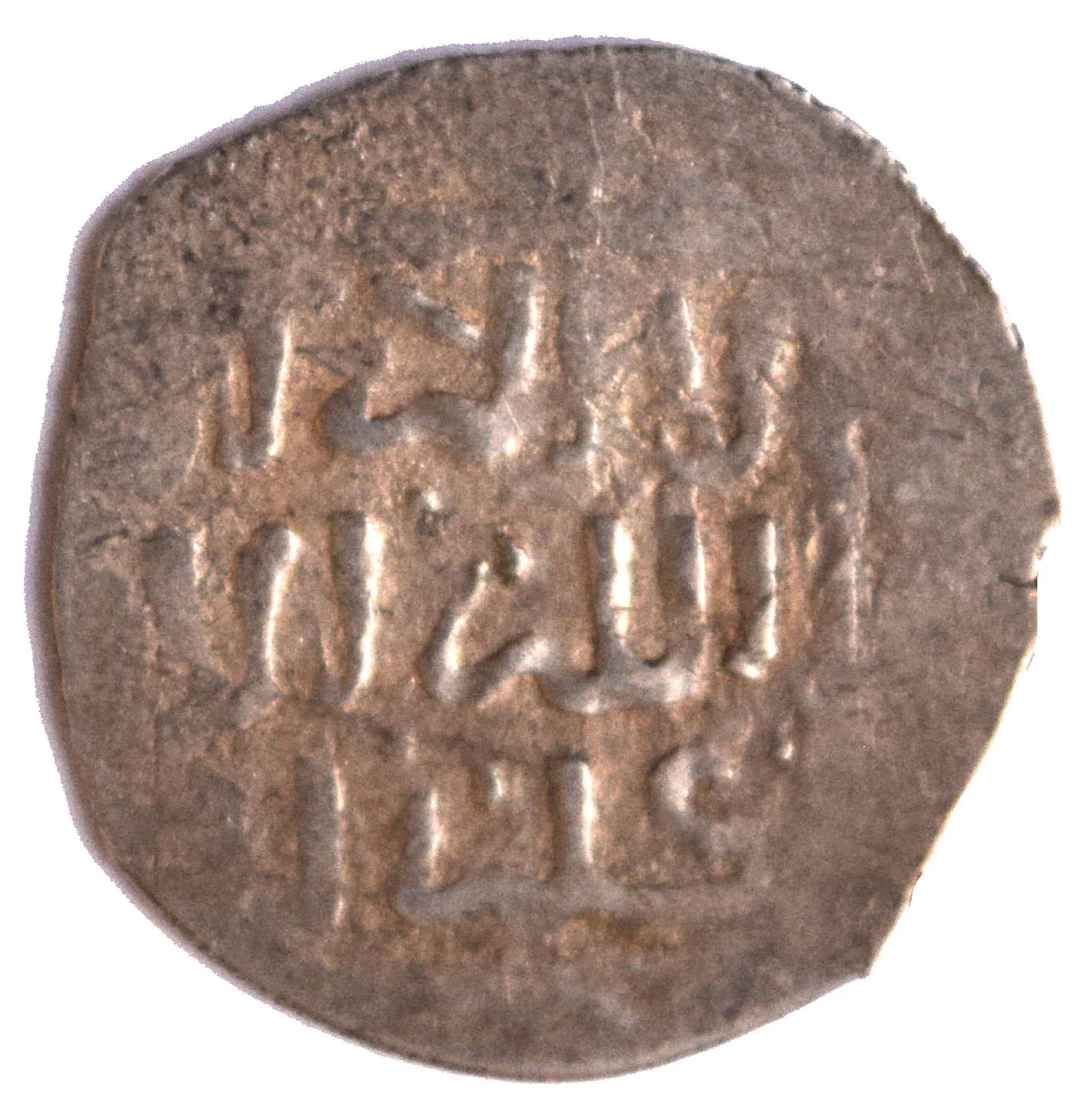
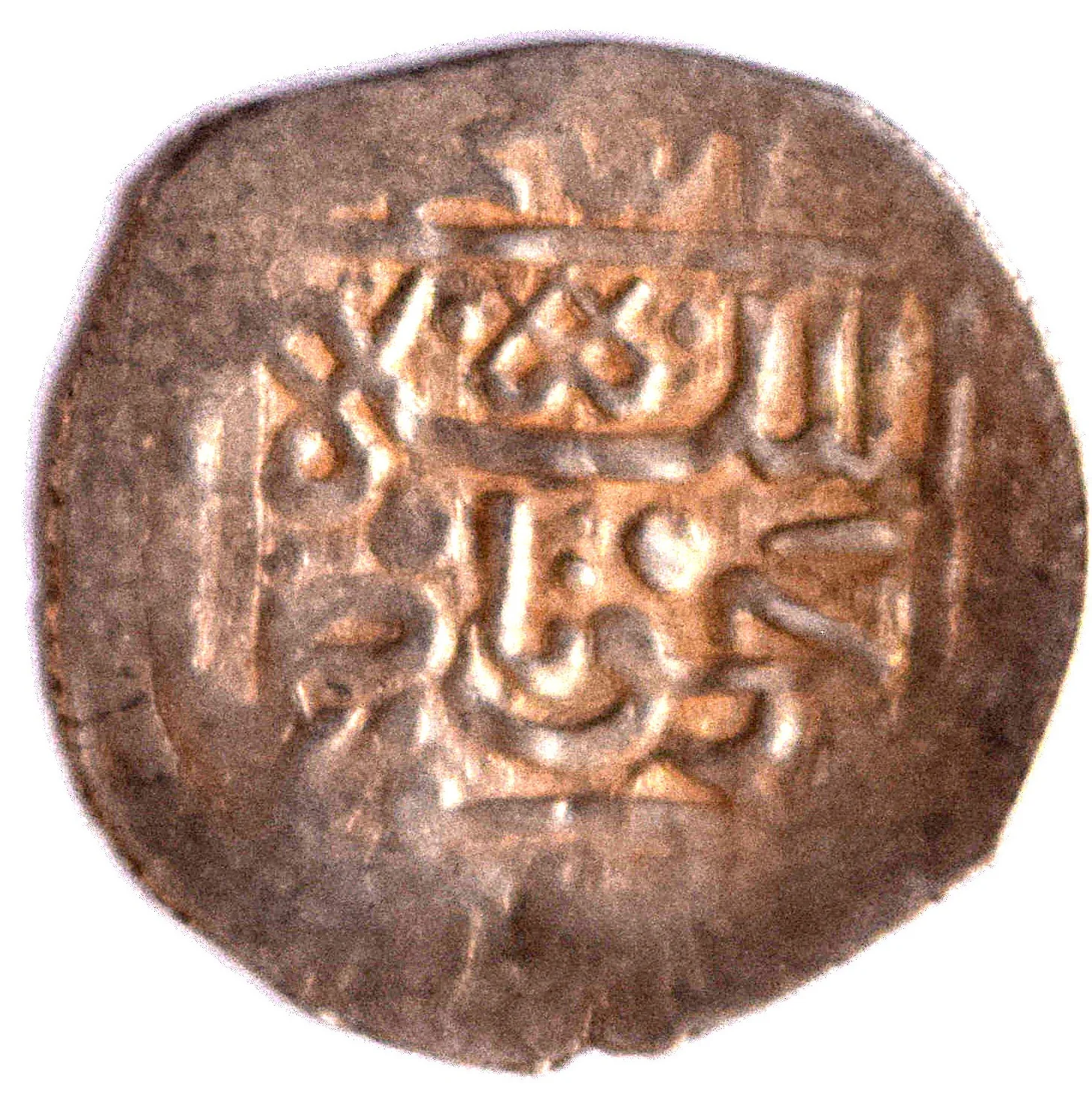
Obverse
Description:
Arabic inscriptions
Script: Arabic
Reverse
Description:
Arabic script inscriptions
Script: Arabic
Edge
Thin, irregular hammered
Mints
| Name | Mark |
|---|---|
| Sijilmasa | — |
Mintings
| Year | Mint Mark | Mintage | Quality | Collection |
|---|---|---|---|---|
| — | — | — | ||
| 1675 | — | — | ||
| 1675 | — | — | ||
| 1676 | — | — | ||
| 1677 | — | — | ||
| 1678 | — | — | ||
| 1679 | — | — | ||
| 1680 | — | — | ||
| 1681 | — | — | ||
| 1682 | — | — | ||
| 1683 | — | — | ||
| 1688 | — | — | ||
| 1691 | — | — | ||
| 1693 | — | — | ||
| 1694 | — | — | ||
| 1695 | — | — | ||
| 1696 | — | — | ||
| 1696 | — | — | ||
| 1697 | — | — | ||
| 1698 | — | — | ||
| 1699 | — | — | ||
| 1700 | — | — | ||
| 1704 | — | — | ||
| 1706 | — | — | ||
| 1707 | — | — | ||
| 1709 | — | — | ||
| 1715 | — | — | ||
| 1718 | — | — | ||
| 1721 | — | — |
Historical background
In 1674, Morocco was embroiled in a profound monetary crisis that reflected the political and economic turmoil of the era. The country was in the final, chaotic years of the 'Alawi dynasty's consolidation of power, with Sultan Moulay Isma'il still battling rival factions and rebellious tribes. This instability severely disrupted trade routes and agricultural production, the traditional pillars of the economy. Consequently, the state's tax revenues plummeted, leaving the treasury depleted and unable to reliably mint high-quality silver coinage, the backbone of the monetary system.
The currency in circulation became a chaotic mix of debased and irregular coinage. Locally struck silver dirhams were often alloyed with copper, reducing their intrinsic value and causing widespread distrust. This was compounded by the circulation of a vast array of older Saadian coins, European silver pieces (especially Spanish reales), and Ottoman gold benduqi. The lack of a standardized, authoritative currency led to erratic exchange rates and hindered commerce, as merchants and markets struggled to assess the true worth of each transaction.
This monetary anarchy was both a symptom and a cause of deeper distress. The inability to control the currency undermined the Sultan's authority and the state's economic sovereignty, while the devalued coinage fueled inflation, particularly in urban markets. It created a vicious cycle where political instability caused monetary decay, which in turn further weakened the economy and the regime's ability to project power. The situation would only begin to stabilize after Moulay Isma'il firmly secured his rule and could impose greater central control over the mints and the economy in the subsequent decades.
The currency in circulation became a chaotic mix of debased and irregular coinage. Locally struck silver dirhams were often alloyed with copper, reducing their intrinsic value and causing widespread distrust. This was compounded by the circulation of a vast array of older Saadian coins, European silver pieces (especially Spanish reales), and Ottoman gold benduqi. The lack of a standardized, authoritative currency led to erratic exchange rates and hindered commerce, as merchants and markets struggled to assess the true worth of each transaction.
This monetary anarchy was both a symptom and a cause of deeper distress. The inability to control the currency undermined the Sultan's authority and the state's economic sovereignty, while the devalued coinage fueled inflation, particularly in urban markets. It created a vicious cycle where political instability caused monetary decay, which in turn further weakened the economy and the regime's ability to project power. The situation would only begin to stabilize after Moulay Isma'il firmly secured his rule and could impose greater central control over the mints and the economy in the subsequent decades.

💎 Extremely Rare