

1 mazuna – Morocco
Add to wishlist
Morocco
Context
Material
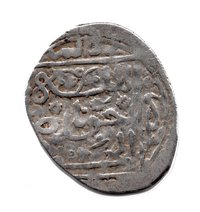
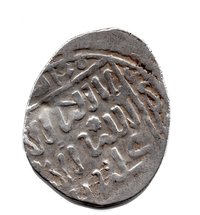
Diameter: 18.5 mm
Weight: 0.94 g
Silver Weight:: 0.94 g
Shape: Irregular round
Composition: Silver
Magnetic: No
References
KM: #
Numista: #157542
Value
Bullion value: $2.35
Obverse
Reverse
Edge
Mintings
| Year | Mint Mark | Mintage | Quality | Collection |
|---|---|---|---|---|
| 1673 | — | — | ||
| 1674 | — | — | ||
| 1675 | — | — | ||
| 1676 | — | — | ||
| 1676 | — | — | ||
| 1677 | — | — | ||
| 1678 | — | — | ||
| 1679 | — | — | ||
| 1680 | — | — | ||
| 1681 | — | — | ||
| 1683 | — | — | ||
| 1690 | — | — | ||
| 1693 | — | — | ||
| 1694 | — | — | ||
| 1695 | — | — | ||
| 1696 | — | — | ||
| 1697 | — | — | ||
| 1699 | — | — | ||
| 1700 | — | — | ||
| 1701 | — | — | ||
| 1703 | — | — | ||
| 1705 | — | — | ||
| 1717 | — | — |
Historical background
In 1673, Morocco was under the reign of the powerful Alaouite Sultan Moulay Ismail, who was consolidating his control over a fragmented empire following decades of internal strife and foreign pressure. The currency system reflected this turbulent transition, operating on a bimetallic standard of gold and silver, but was plagued by severe instability. The primary silver coin was the dirham, while the gold benduqi (or dinar) served for larger transactions. However, the quality, weight, and purity of these coins varied dramatically, as minting was not yet fully centralized and older coins from the preceding Saadi dynasty and even European pieces remained in circulation, creating a chaotic monetary environment.
This instability was exacerbated by two major factors. First, European powers, particularly Spain and England, were actively engaged in piracy and ransom economies along the Moroccan coast, flooding local markets with captured and varying foreign coinage. Second, and more critically, Sultan Moulay Ismail was financing his massive military projects—including the construction of his imperial capital at Meknes and the maintenance of his formidable army—through heavy taxation and the deliberate debasement of currency. By reducing the precious metal content in newly minted coins, the treasury could create more nominal money from limited bullion reserves, a short-term fiscal fix that eroded public trust and further devalued the currency.
Consequently, the currency situation in 1673 was one of deliberate state-controlled debasement amidst a broader struggle for economic sovereignty. While Moulay Ismail sought to unify the country politically, his monetary policy created inflationary pressures and hindered long-term trade stability. The reliance on mixed and degraded coinage made domestic and trans-Saharan trade cumbersome, requiring merchants and money changers (sarrafs) to constantly assess and haggle over the actual value of each coin, placing the Moroccan economy on a fragile footing even as the Sultanate's political power grew.
This instability was exacerbated by two major factors. First, European powers, particularly Spain and England, were actively engaged in piracy and ransom economies along the Moroccan coast, flooding local markets with captured and varying foreign coinage. Second, and more critically, Sultan Moulay Ismail was financing his massive military projects—including the construction of his imperial capital at Meknes and the maintenance of his formidable army—through heavy taxation and the deliberate debasement of currency. By reducing the precious metal content in newly minted coins, the treasury could create more nominal money from limited bullion reserves, a short-term fiscal fix that eroded public trust and further devalued the currency.
Consequently, the currency situation in 1673 was one of deliberate state-controlled debasement amidst a broader struggle for economic sovereignty. While Moulay Ismail sought to unify the country politically, his monetary policy created inflationary pressures and hindered long-term trade stability. The reliance on mixed and degraded coinage made domestic and trans-Saharan trade cumbersome, requiring merchants and money changers (sarrafs) to constantly assess and haggle over the actual value of each coin, placing the Moroccan economy on a fragile footing even as the Sultanate's political power grew.
✨ Legendary