

1 Mazuna – Morocco
Morocco
Context

Material
Diameter: 18.5 mm
Weight: 0.94 g
Silver weight: 0.94 g
Shape: Irregular round
Composition: Silver
Magnetic: No
References
KM: #Click to copy to clipboardB28.4
Numista: #157637
Value
Bullion value: $2.67
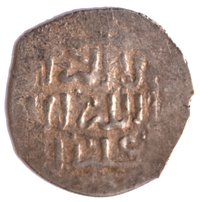
Obverse
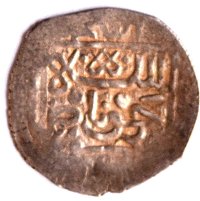
Reverse
Edge
Mintings
| Year | Mint Mark | Mintage | Quality | Collection |
|---|---|---|---|---|
| 1675 | — | — | ||
| 1676 | — | — | ||
| 1689 | — | — | ||
| 1690 | — | — | ||
| 1693 | — | — |
Historical background
In 1675, Morocco's currency situation was characterized by a complex and often unstable system under the Alaouite Sultan Ismail ibn Sharif, who had recently consolidated his power. The primary circulating coins were silver dirhams and gold benduqi dinars, but their weight, purity, and value varied significantly across regions and were frequently manipulated. This period saw a chronic shortage of precious metals, exacerbated by Morocco's relative isolation from major trans-Saharan trade routes and the disruption of traditional gold supplies from sub-Saharan Africa. Furthermore, European silver coins, particularly Spanish reales (pieces of eight), circulated extensively in coastal trading ports, creating a dual monetary system that complicated domestic commerce.
Sultan Moulay Ismail recognized that monetary chaos undermined both state revenue and his ambitious projects, including building a vast imperial capital at Meknes and maintaining a large standing army. He responded by attempting to centralize minting operations and standardize coinage, asserting royal control over the makhzan (treasury) mints. However, these efforts were persistently undermined by the widespread practice of clipping and counterfeiting coins, as well as the outflow of full-weight silver to Europe in exchange for goods. The state's frequent need to pay tribal levies and foreign mercenaries also led to sporadic debasements, eroding public trust in the currency.
Consequently, the monetary landscape of 1675 was one of transition and tension. While the Sultan sought to impose a unified and authoritative currency to strengthen the central state, economic realities—including fragmented political control over some regions, illicit minting, and reliance on foreign coinage—meant that daily transactions were often conducted with a confusing mix of coins of uncertain value. This instability reflected the broader challenges of building a centralized empire and would drive Moulay Ismail's continued, though only partially successful, efforts at fiscal and monetary reform throughout his long reign.
Sultan Moulay Ismail recognized that monetary chaos undermined both state revenue and his ambitious projects, including building a vast imperial capital at Meknes and maintaining a large standing army. He responded by attempting to centralize minting operations and standardize coinage, asserting royal control over the makhzan (treasury) mints. However, these efforts were persistently undermined by the widespread practice of clipping and counterfeiting coins, as well as the outflow of full-weight silver to Europe in exchange for goods. The state's frequent need to pay tribal levies and foreign mercenaries also led to sporadic debasements, eroding public trust in the currency.
Consequently, the monetary landscape of 1675 was one of transition and tension. While the Sultan sought to impose a unified and authoritative currency to strengthen the central state, economic realities—including fragmented political control over some regions, illicit minting, and reliance on foreign coinage—meant that daily transactions were often conducted with a confusing mix of coins of uncertain value. This instability reflected the broader challenges of building a centralized empire and would drive Moulay Ismail's continued, though only partially successful, efforts at fiscal and monetary reform throughout his long reign.

✨ Legendary