

Iran
Context
Year: 1624
Islamic (Hijri) Year: 1033
Issuer: Iran 
Ruler: Abbas I
Currency:
(1501—1798)
Demonetization: 1629
Material
Weight: 1.89 g
Silver weight: 1.89 g
Shape: Irregular round
Composition: Silver
Magnetic: No
Technique: Hammered
Alignment: Coin alignment
flip
References
KM: #Click to copy to clipboard112
Numista: #62226
Value
Bullion value: $5.47
Obverse
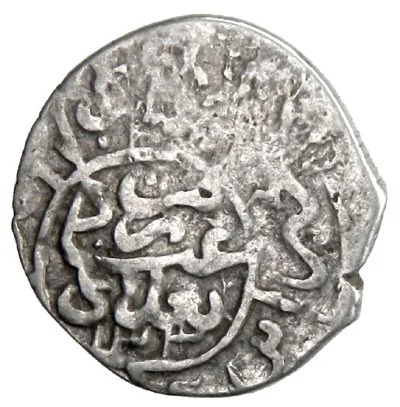
Description:
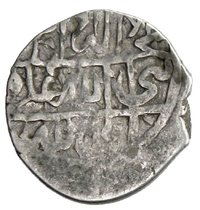
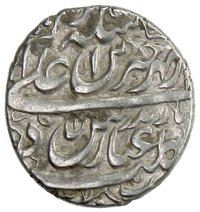
Mint, date, and "abbas" in central circle.
Inscription:
عباس
ضرب بغداد
۱۰۳۳
ضرب بغداد
۱۰۳۳
Script: Persian
Reverse
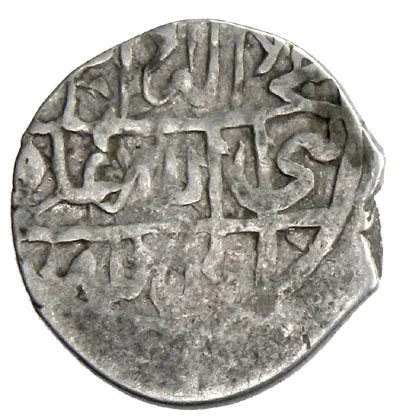
Inscription:
لا اله الا الله محمد نبی الله علی ولی الله
Script: Persian
Edge
Plain
Mints
| Name | Mark |
|---|---|
| Baghdad | بغداد |
Mintings
| Year | Mint Mark | Mintage | Quality | Collection |
|---|---|---|---|---|
| 1624 | — | — |
Historical background
In 1624, Iran was under the rule of the Safavid dynasty, specifically Shah Abbas I (r. 1588–1629), a period marked by significant centralization, economic expansion, and international trade. The currency system was complex and bimetallic, primarily relying on silver and copper. The foundational silver coin was the abbasi (named after the Shah), valued at 200 dinars, alongside the mahmudi (100 dinars) and the shahi (50 dinars). Gold coins, like the ashrafi, were minted mainly for prestige, large state transactions, and foreign trade, but silver formed the backbone of the domestic economy.
This era saw a critical monetary challenge: a severe shortage of silver. This was largely due to a persistent balance of trade deficit with neighboring Mughal India, as Iranian merchants paid large amounts of silver for Indian luxury goods and textiles. The outflow of bullion was a constant concern for the state. To compensate, the Safavid mint increased the production of copper coins (fulus) for small-scale, everyday transactions among the common people. However, the valuation between these metals was unstable, and provincial mints sometimes issued coins of varying purity, leading to complexities in commerce.
Despite these internal pressures, the period was one of relative monetary stability compared to the chaos of earlier and later centuries, facilitated by Shah Abbas's strong central control. His extensive reforms, investment in infrastructure, and the establishment of a royal monopoly over the silk trade generated state revenue, helping to regulate the currency. The strategic location of Iran on the Silk Road, with the bustling capital of Isfahan at its heart, meant that a multitude of foreign coins—Ottoman, Mughal, European—also circulated, especially in major markets and ports, further complicating but also facilitating the vibrant international trade that defined the Safavid "Golden Age."
This era saw a critical monetary challenge: a severe shortage of silver. This was largely due to a persistent balance of trade deficit with neighboring Mughal India, as Iranian merchants paid large amounts of silver for Indian luxury goods and textiles. The outflow of bullion was a constant concern for the state. To compensate, the Safavid mint increased the production of copper coins (fulus) for small-scale, everyday transactions among the common people. However, the valuation between these metals was unstable, and provincial mints sometimes issued coins of varying purity, leading to complexities in commerce.
Despite these internal pressures, the period was one of relative monetary stability compared to the chaos of earlier and later centuries, facilitated by Shah Abbas's strong central control. His extensive reforms, investment in infrastructure, and the establishment of a royal monopoly over the silk trade generated state revenue, helping to regulate the currency. The strategic location of Iran on the Silk Road, with the bustling capital of Isfahan at its heart, meant that a multitude of foreign coins—Ottoman, Mughal, European—also circulated, especially in major markets and ports, further complicating but also facilitating the vibrant international trade that defined the Safavid "Golden Age."
✨ Legendary