

Iran
Context
Material
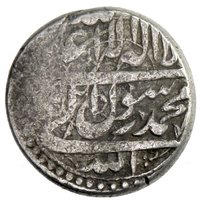
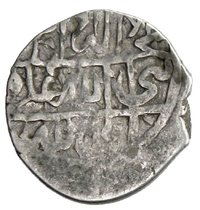
Diameter: 22 mm
Weight: 7.64 g
Silver weight: 7.64 g
Shape: Irregular round
Composition: Silver
Standard: Silver quarter ounce
Magnetic: No
Technique: Hammered
Alignment: Coin alignment
flip
References
KM: #Click to copy to clipboard114.19
Numista: #62203
Value
Bullion value: $22.03
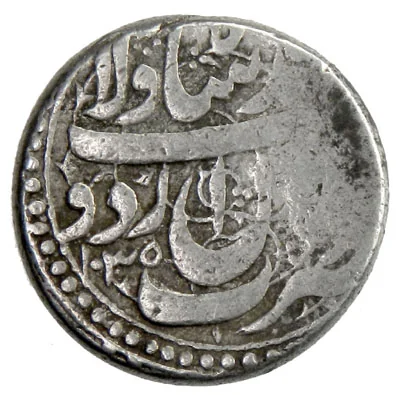
Obverse
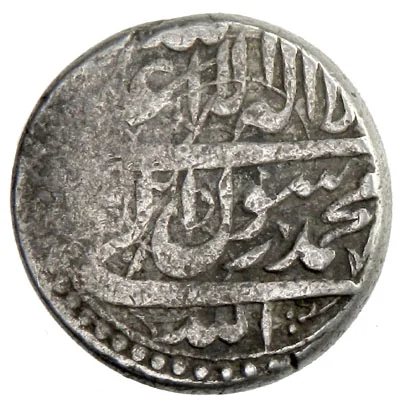
Reverse
Edge
Plain
Mintings
| Year | Mint Mark | Mintage | Quality | Collection |
|---|---|---|---|---|
| 1606 | — | — | ||
| 1611 | — | — | ||
| 1614 | — | — | ||
| 1623 | — | — | ||
| 1626 | — | — |
Historical background
In 1606, the Safavid Empire under Shah Abbas I was in the midst of a profound economic and monetary transformation. The state’s finances were strained by nearly continuous warfare on multiple fronts—against the Ottoman Empire to the west and the Uzbek Khanates to the northeast—and by Shah Abbas’s ambitious domestic projects, including the construction of his new capital at Isfahan. This military and architectural expenditure required vast sums of money, placing significant pressure on the imperial treasury and the currency system, which was primarily based on silver.
The primary circulating coin was the silver abbasi, introduced by Shah Abbas and named after him, alongside smaller denominations like the mahmudi. A critical issue was the chronic shortage of silver within Iran’s borders, which led to a reliance on imported bullion, particularly from the Ottoman Empire and, increasingly, from European traders. The state’s response to fiscal demands often involved the debasement of coinage—reducing the silver content in coins while maintaining their face value. This practice, while providing short-term revenue, eroded public trust in the currency, spurred inflation in key markets, and complicated both domestic trade and international commerce with European merchant companies like the English and Dutch East India companies, who were establishing trading posts along the Persian Gulf.
Furthermore, the monetary system was not unified, with various provincial mints operating with differing standards. In 1606, Shah Abbas was actively centralizing power and reforming the economy. He had recently implemented significant changes, including the establishment of a royal monopoly on the silk trade (a major source of bullion) and the direct management of crown lands (khassa). These reforms were part of a broader effort to stabilize state income and control the currency, aiming to reduce reliance on debasement. Thus, the currency situation in 1606 was one of tension—caught between the pressures of wartime expenditure and the Shah’s determined, but still unfolding, project of centralization and monetary stability.
The primary circulating coin was the silver abbasi, introduced by Shah Abbas and named after him, alongside smaller denominations like the mahmudi. A critical issue was the chronic shortage of silver within Iran’s borders, which led to a reliance on imported bullion, particularly from the Ottoman Empire and, increasingly, from European traders. The state’s response to fiscal demands often involved the debasement of coinage—reducing the silver content in coins while maintaining their face value. This practice, while providing short-term revenue, eroded public trust in the currency, spurred inflation in key markets, and complicated both domestic trade and international commerce with European merchant companies like the English and Dutch East India companies, who were establishing trading posts along the Persian Gulf.
Furthermore, the monetary system was not unified, with various provincial mints operating with differing standards. In 1606, Shah Abbas was actively centralizing power and reforming the economy. He had recently implemented significant changes, including the establishment of a royal monopoly on the silk trade (a major source of bullion) and the direct management of crown lands (khassa). These reforms were part of a broader effort to stabilize state income and control the currency, aiming to reduce reliance on debasement. Thus, the currency situation in 1606 was one of tension—caught between the pressures of wartime expenditure and the Shah’s determined, but still unfolding, project of centralization and monetary stability.
✨ Legendary